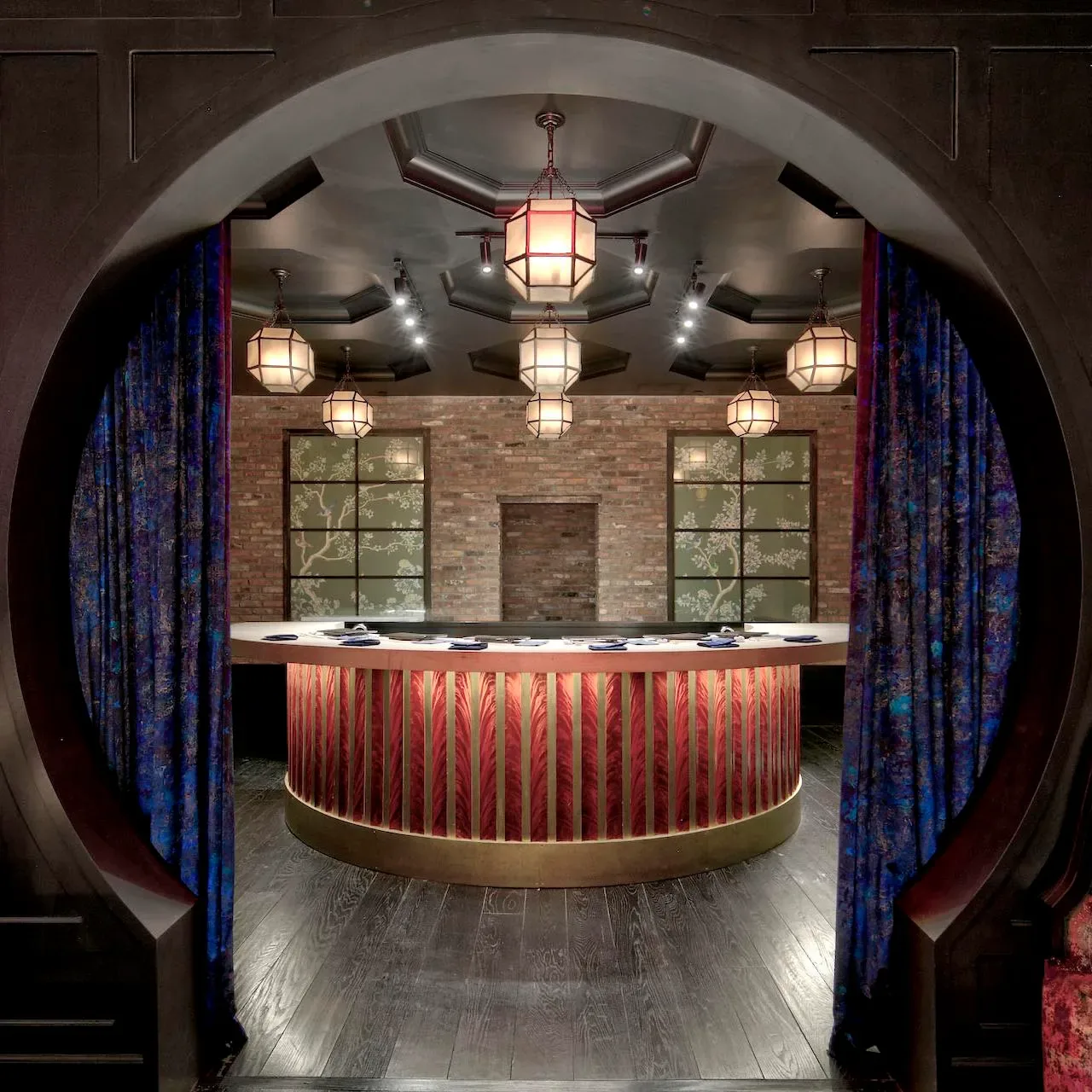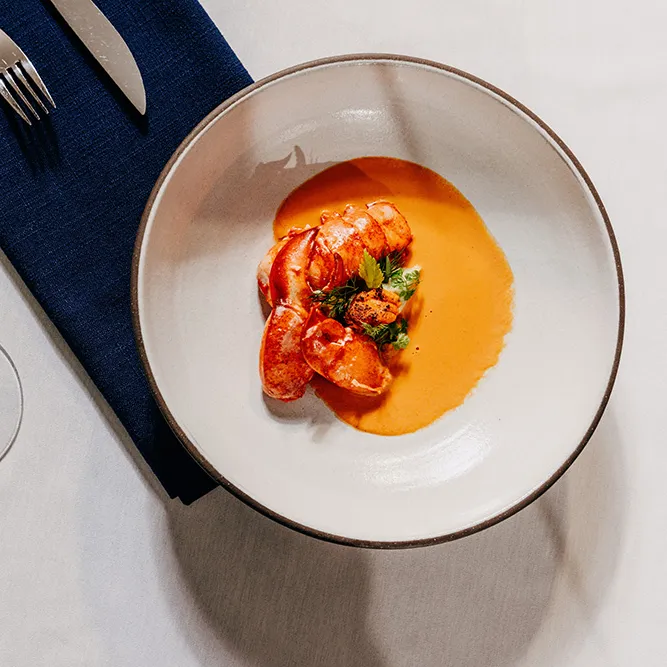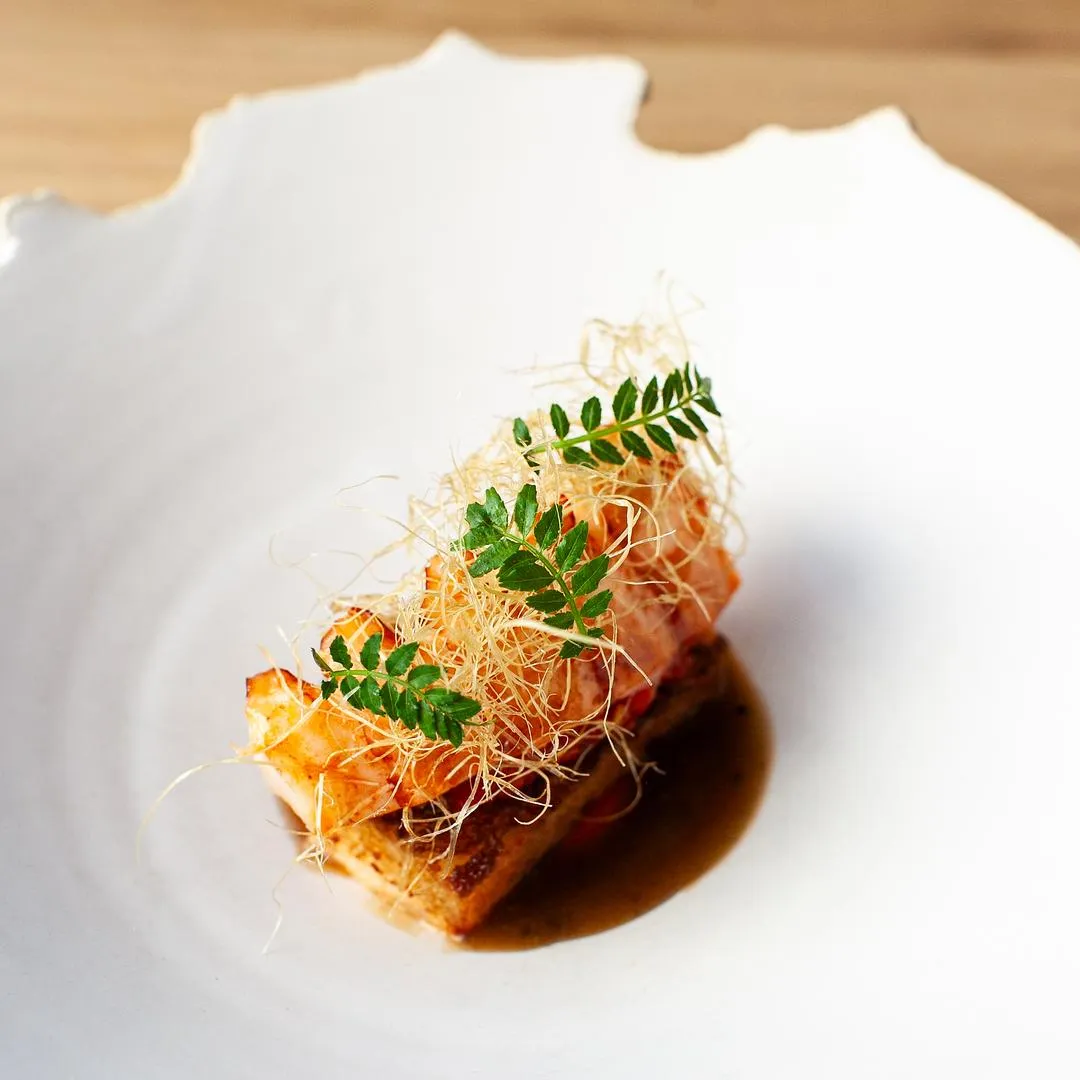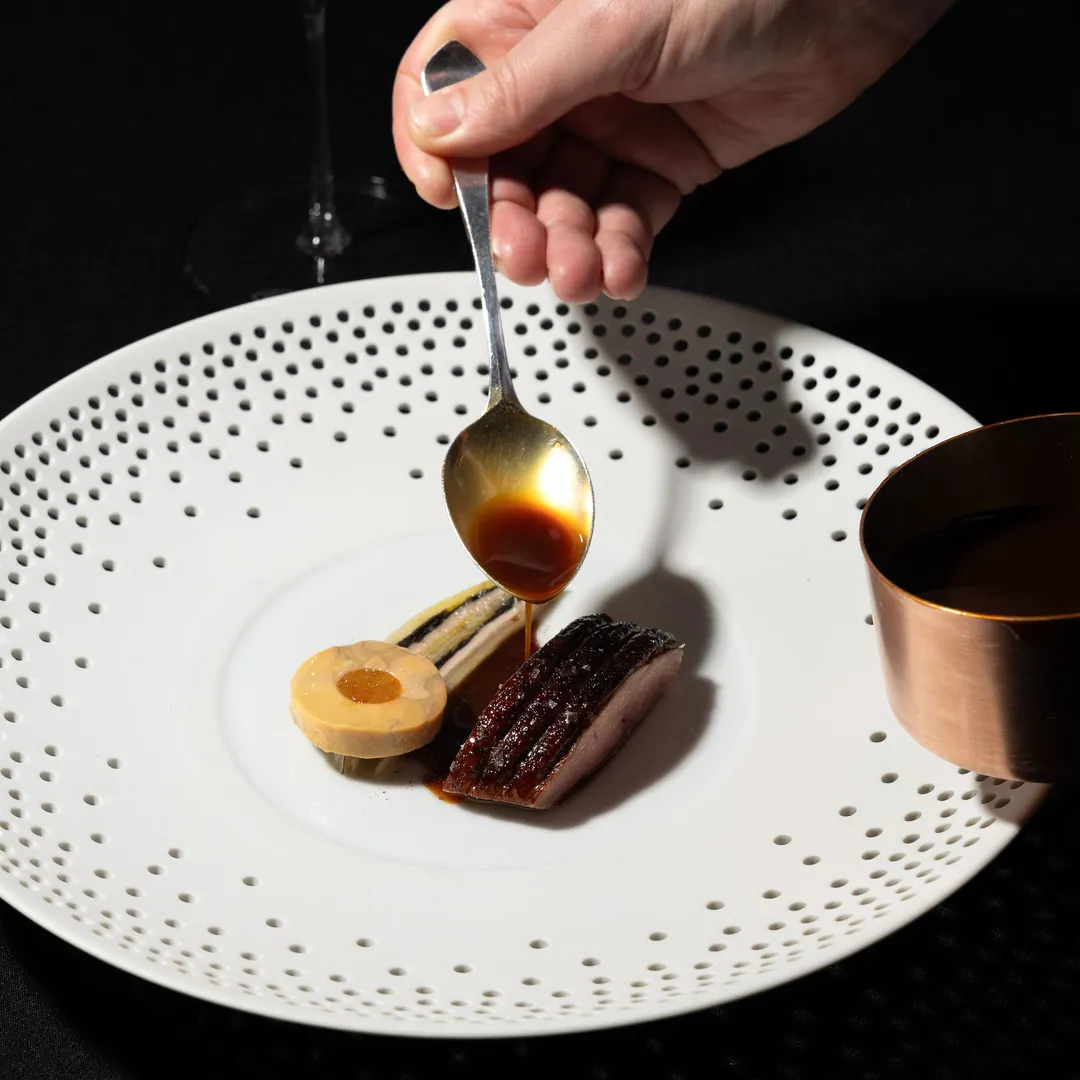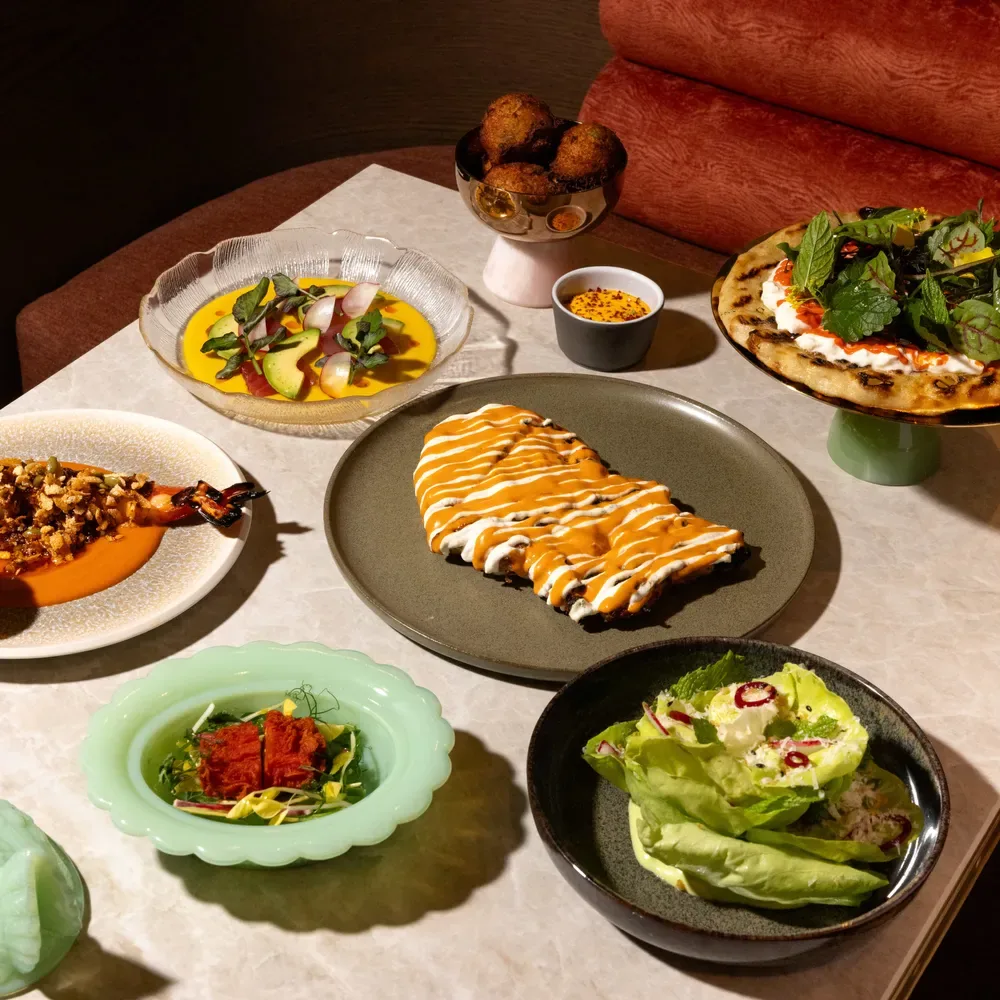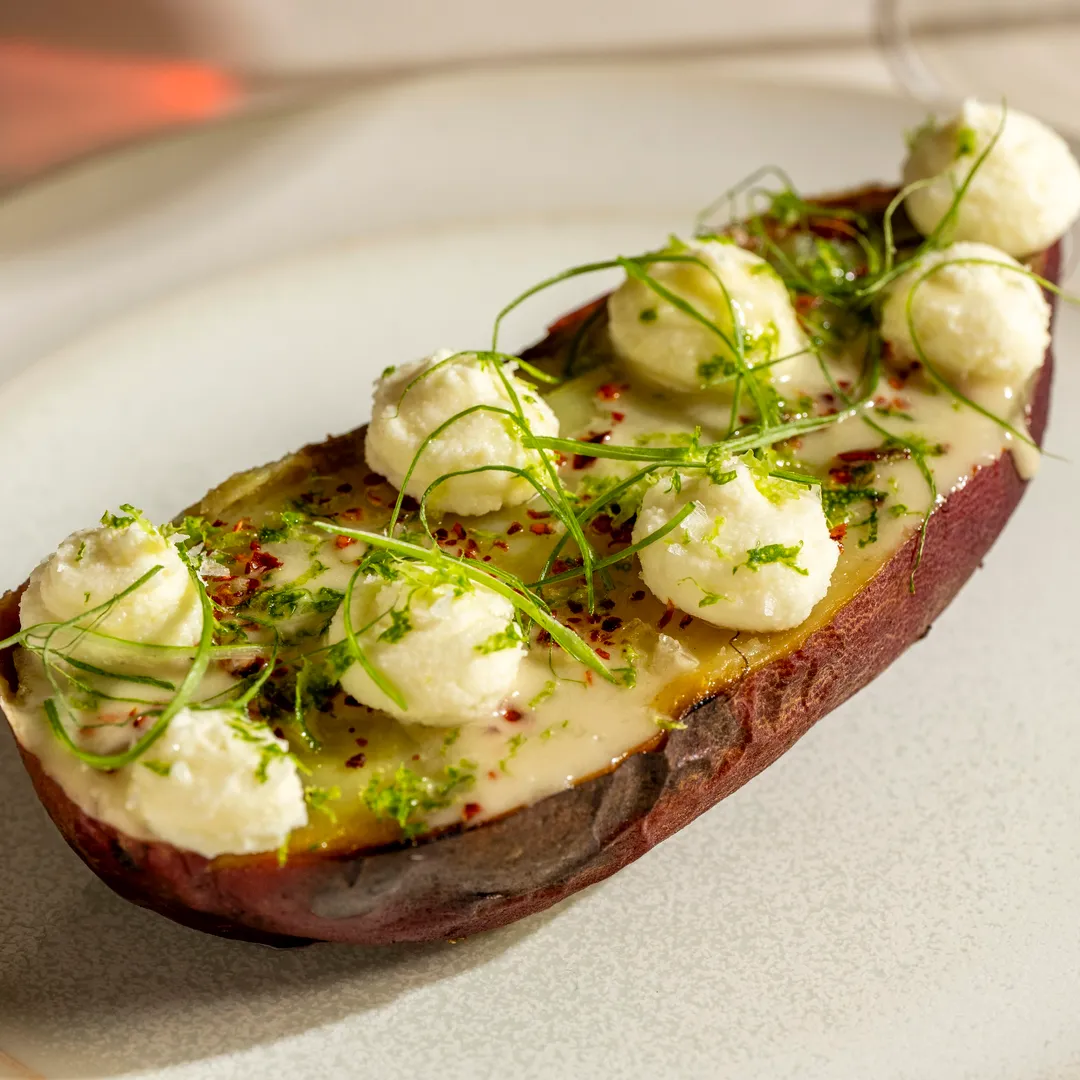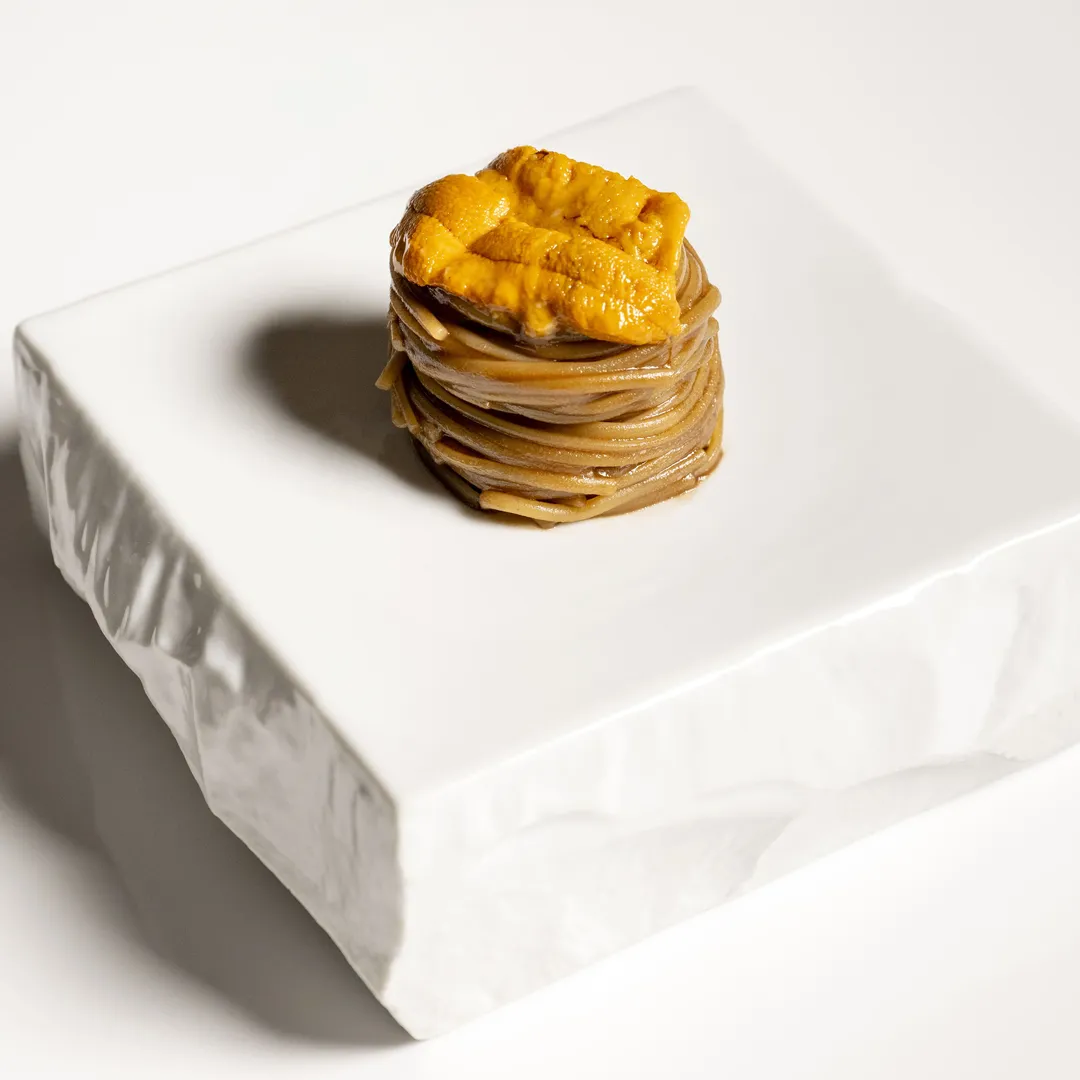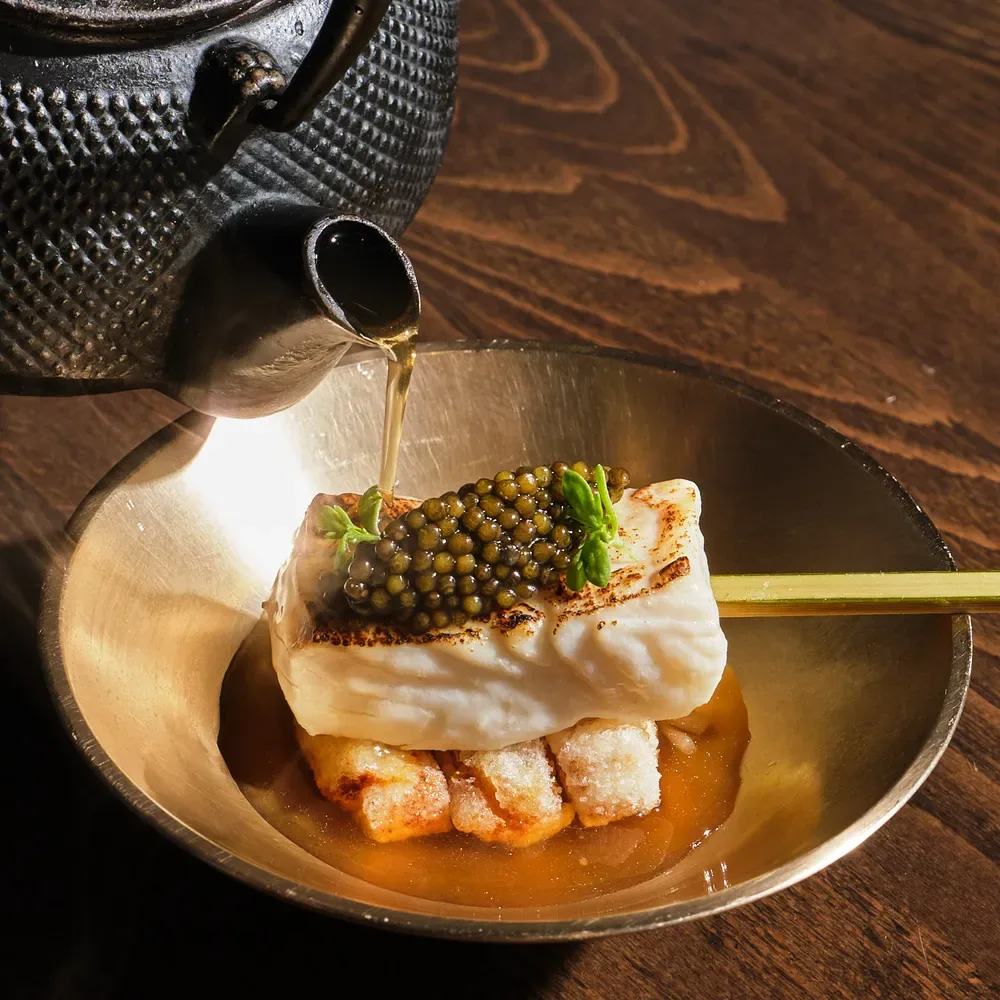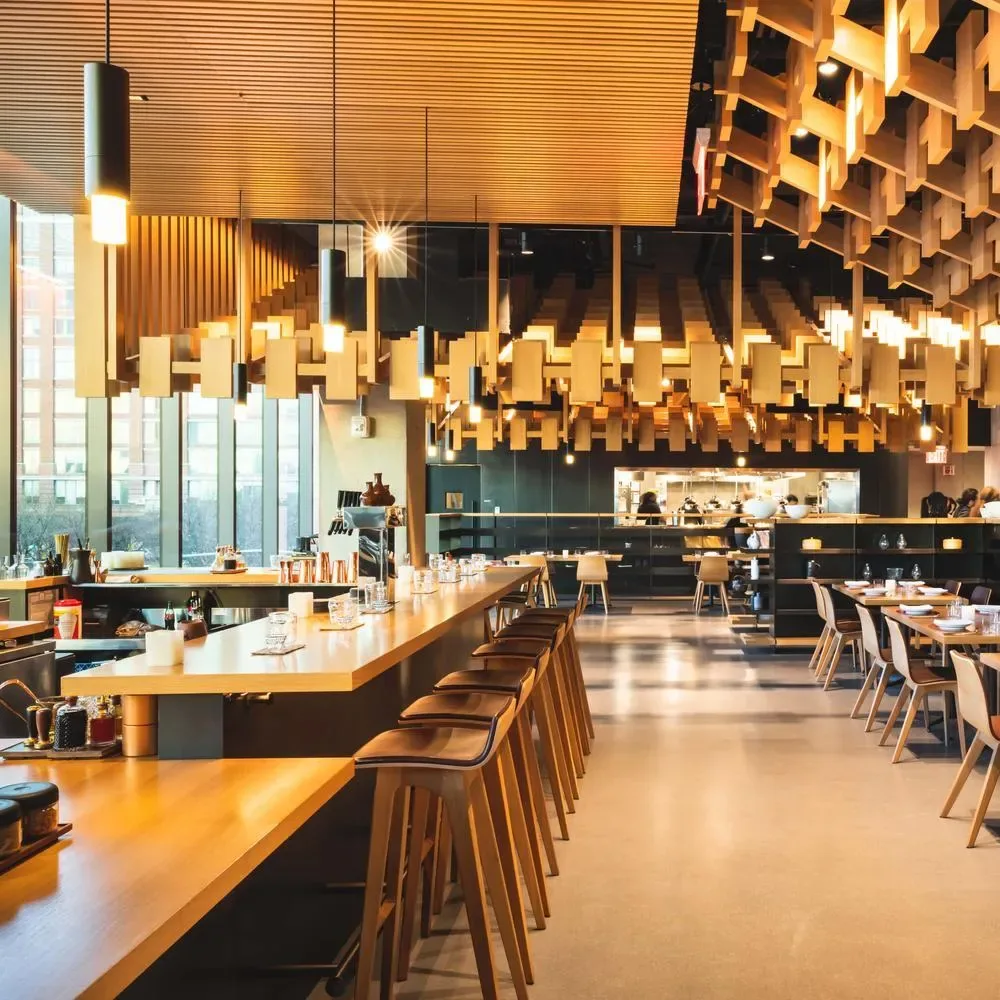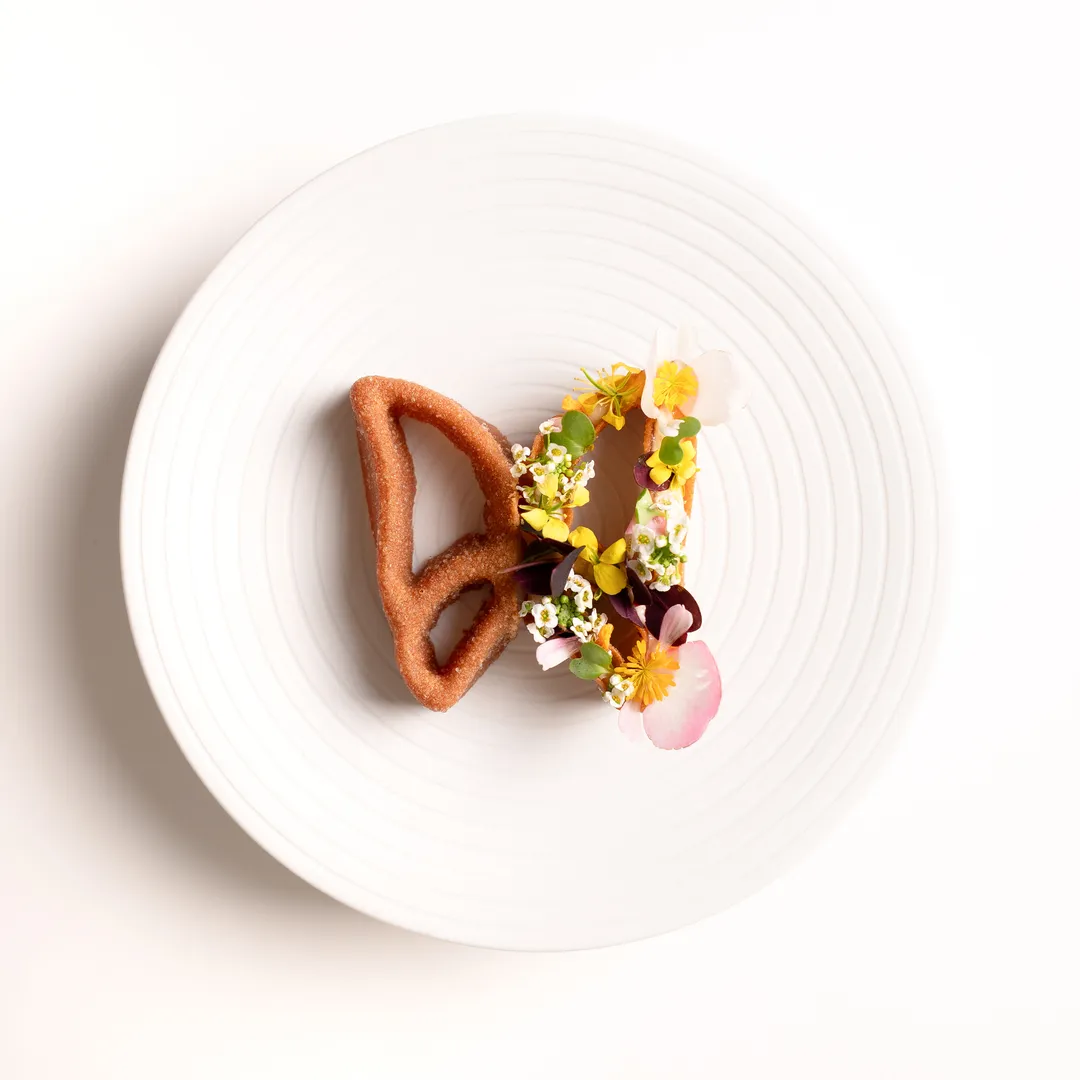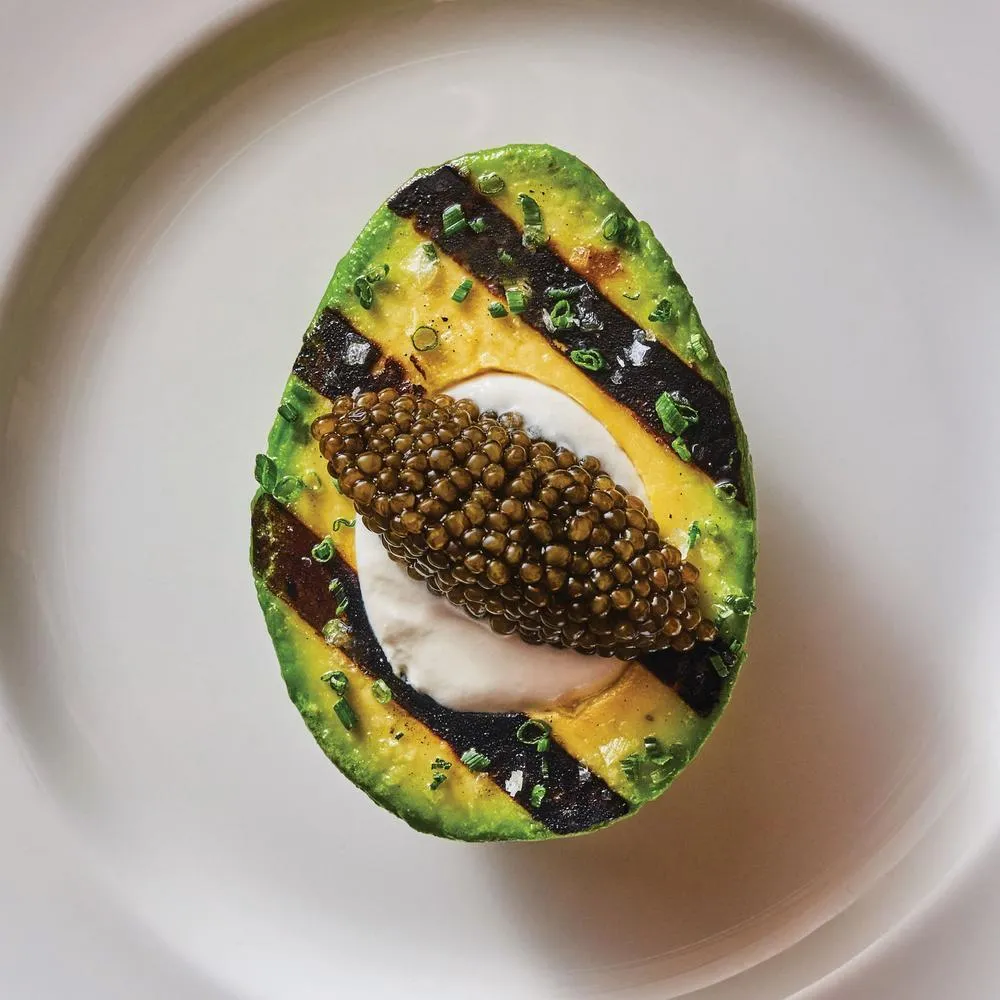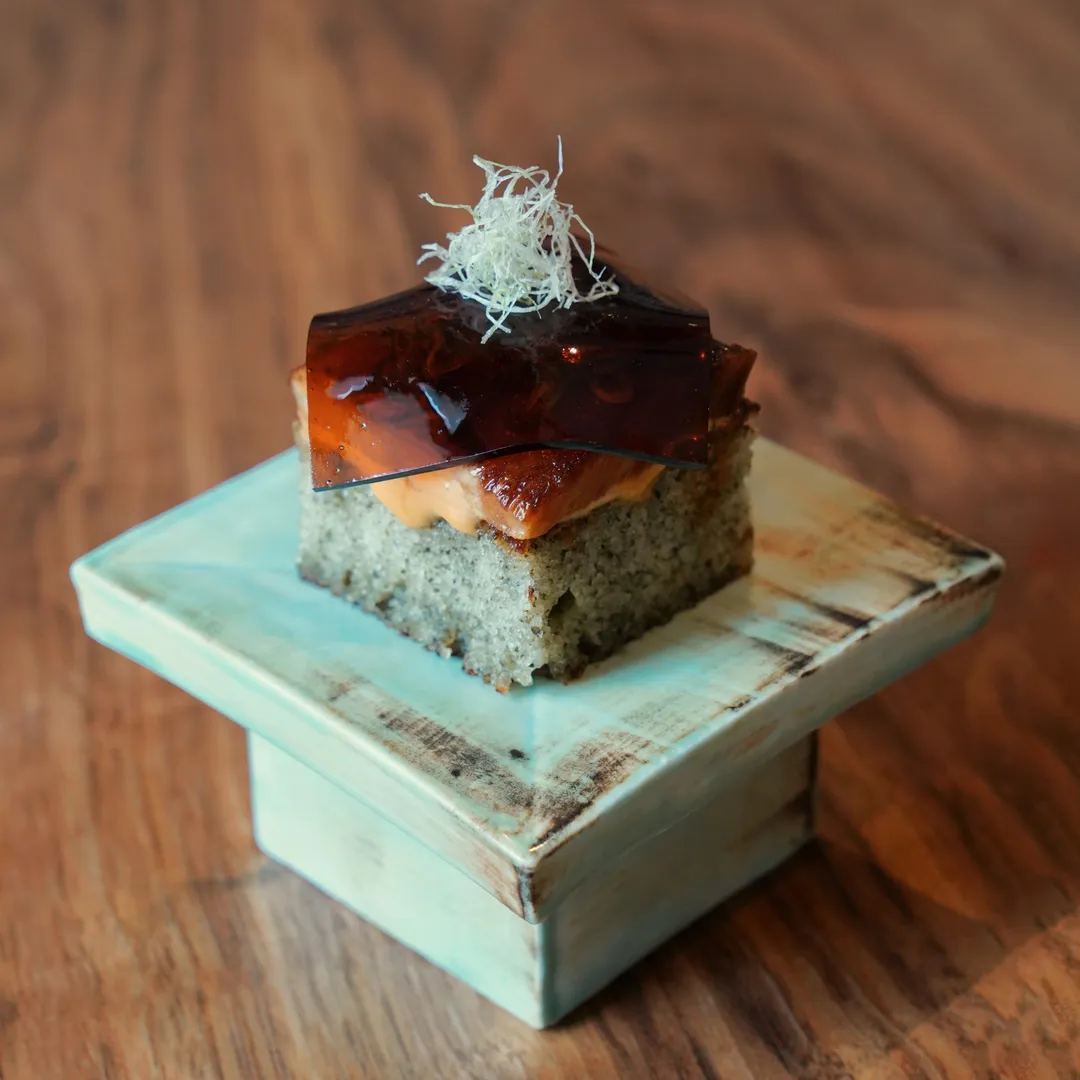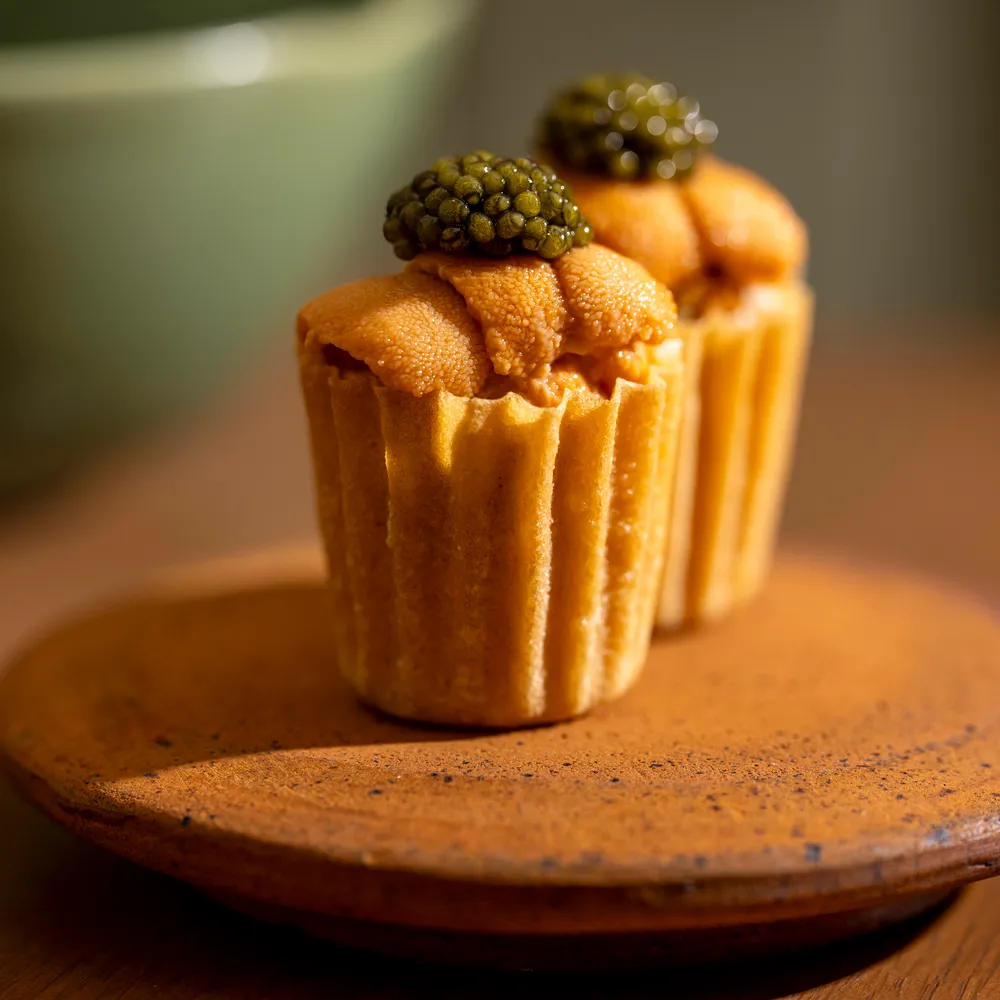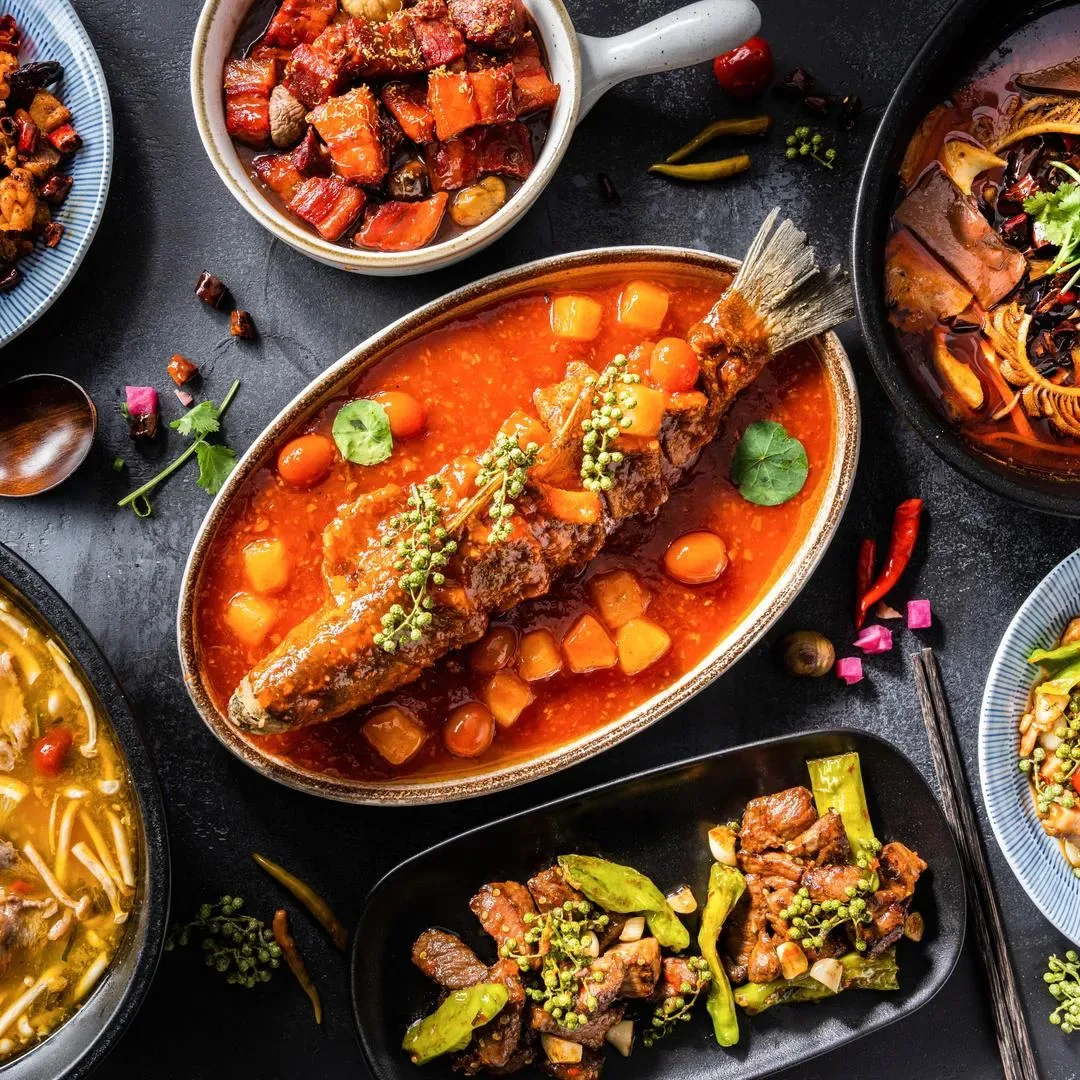
The city dining edition / September 2026

People, plates and places in two cities

Stories of the chefs, rooms and routes shaping New York and Los Angeles.

New York × Los Angeles Web-first monthly guide Independent story depth
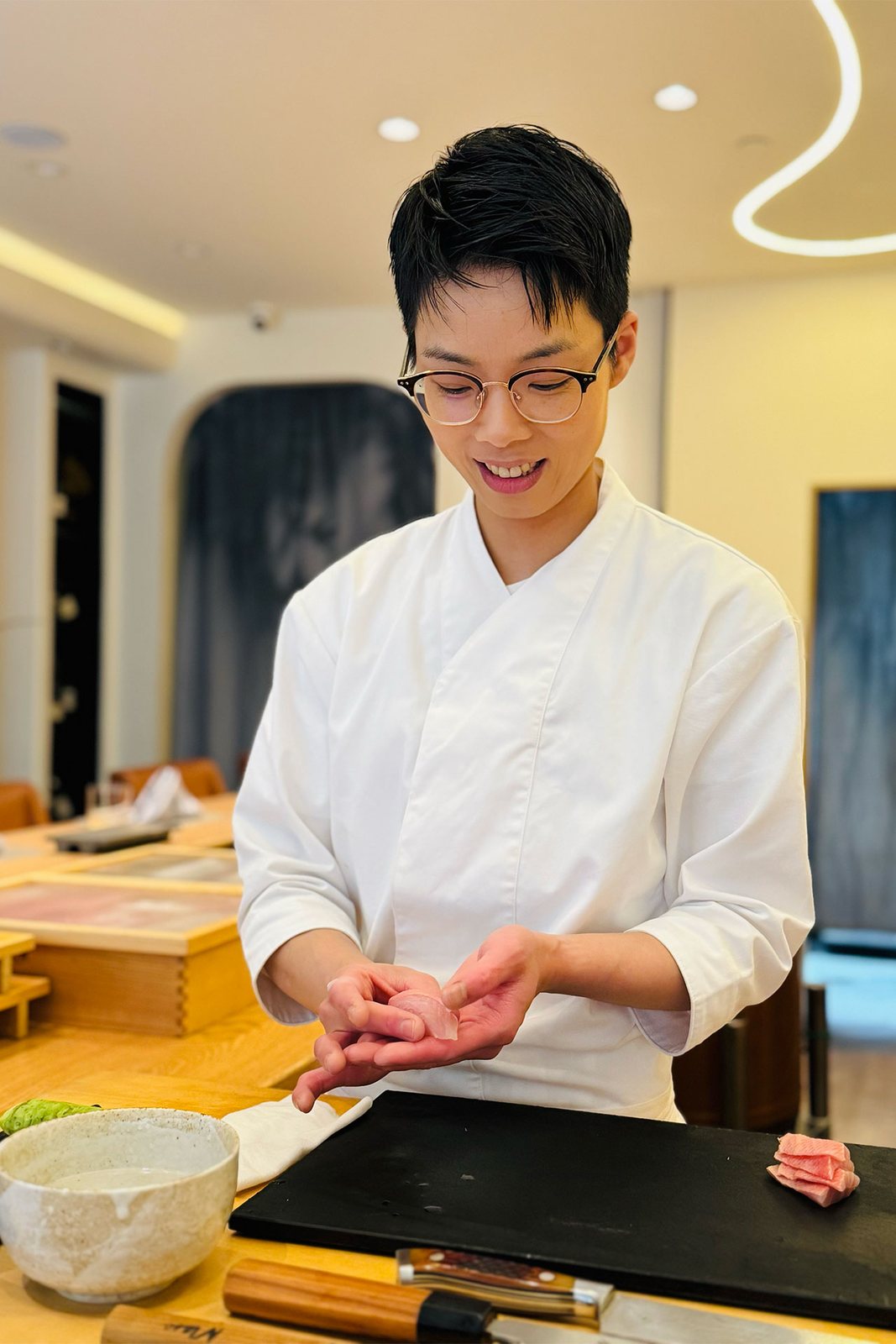
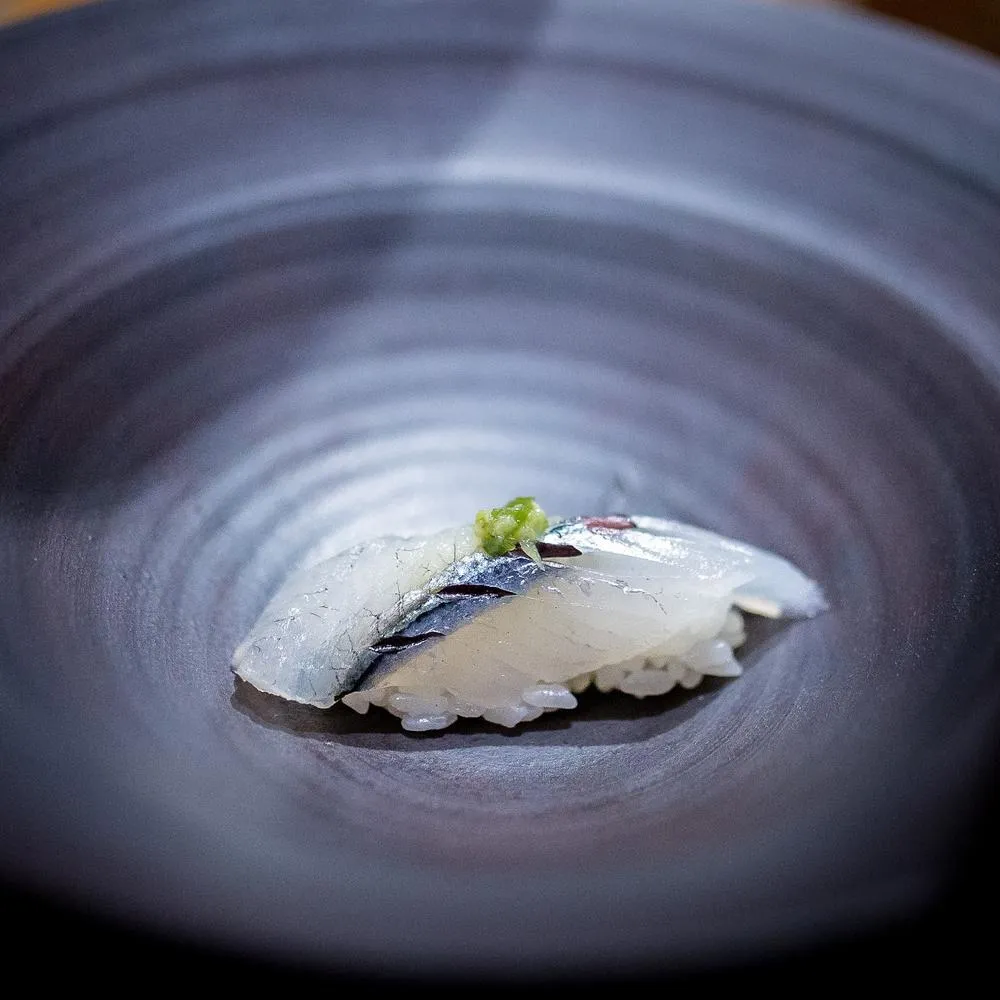
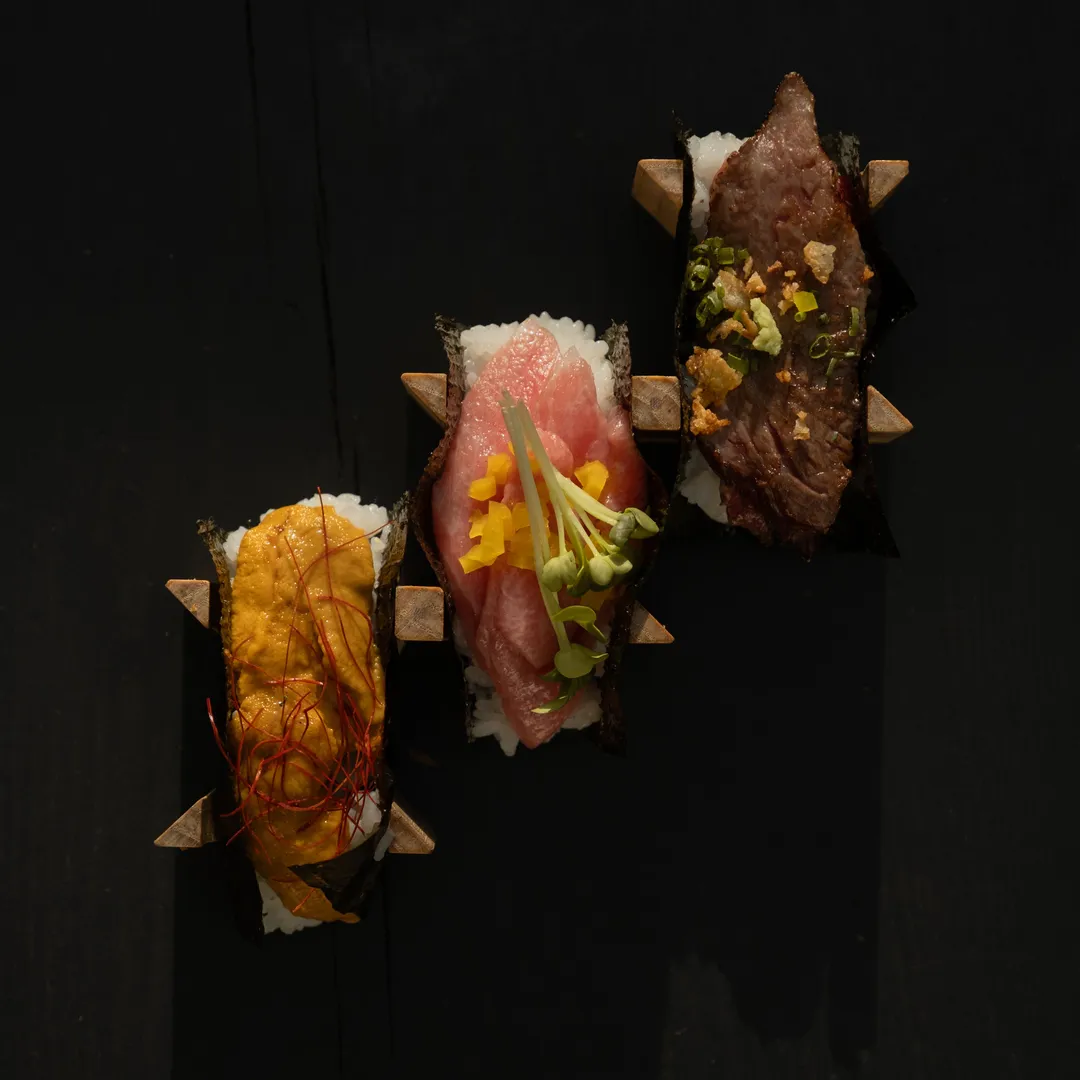
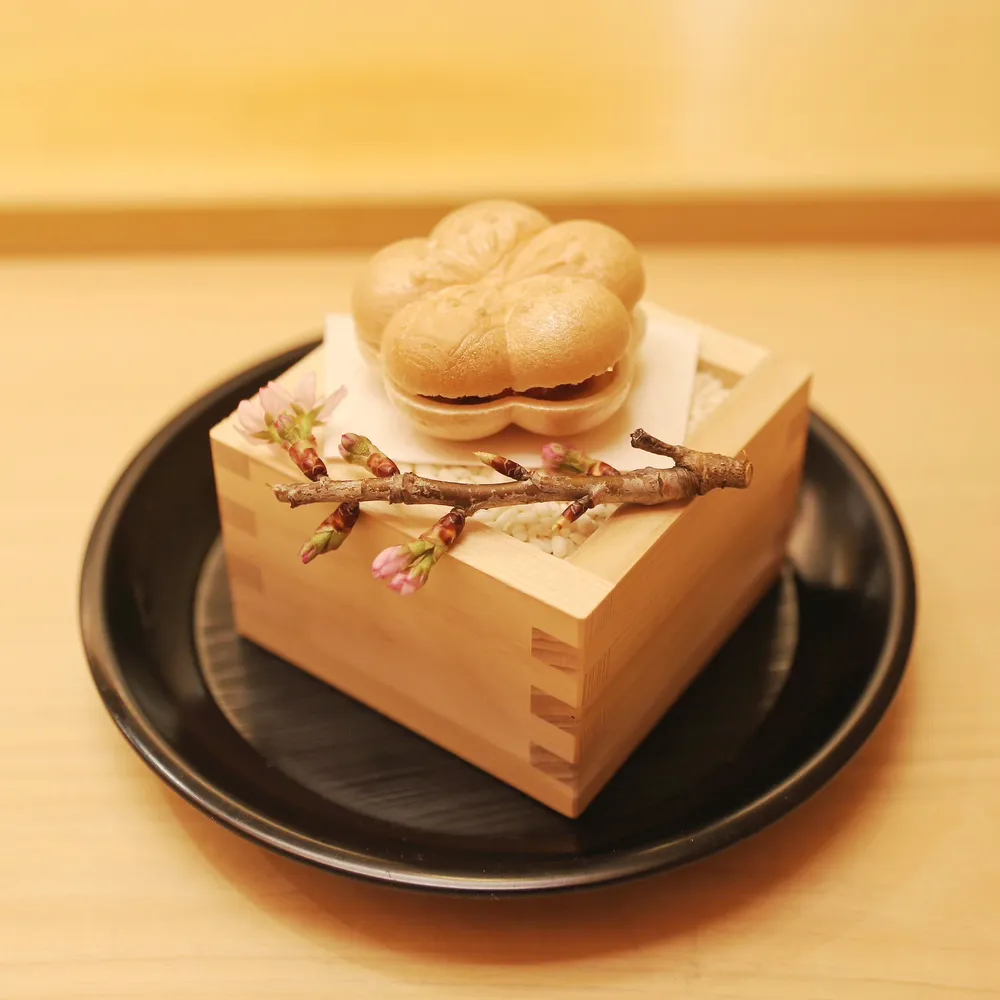
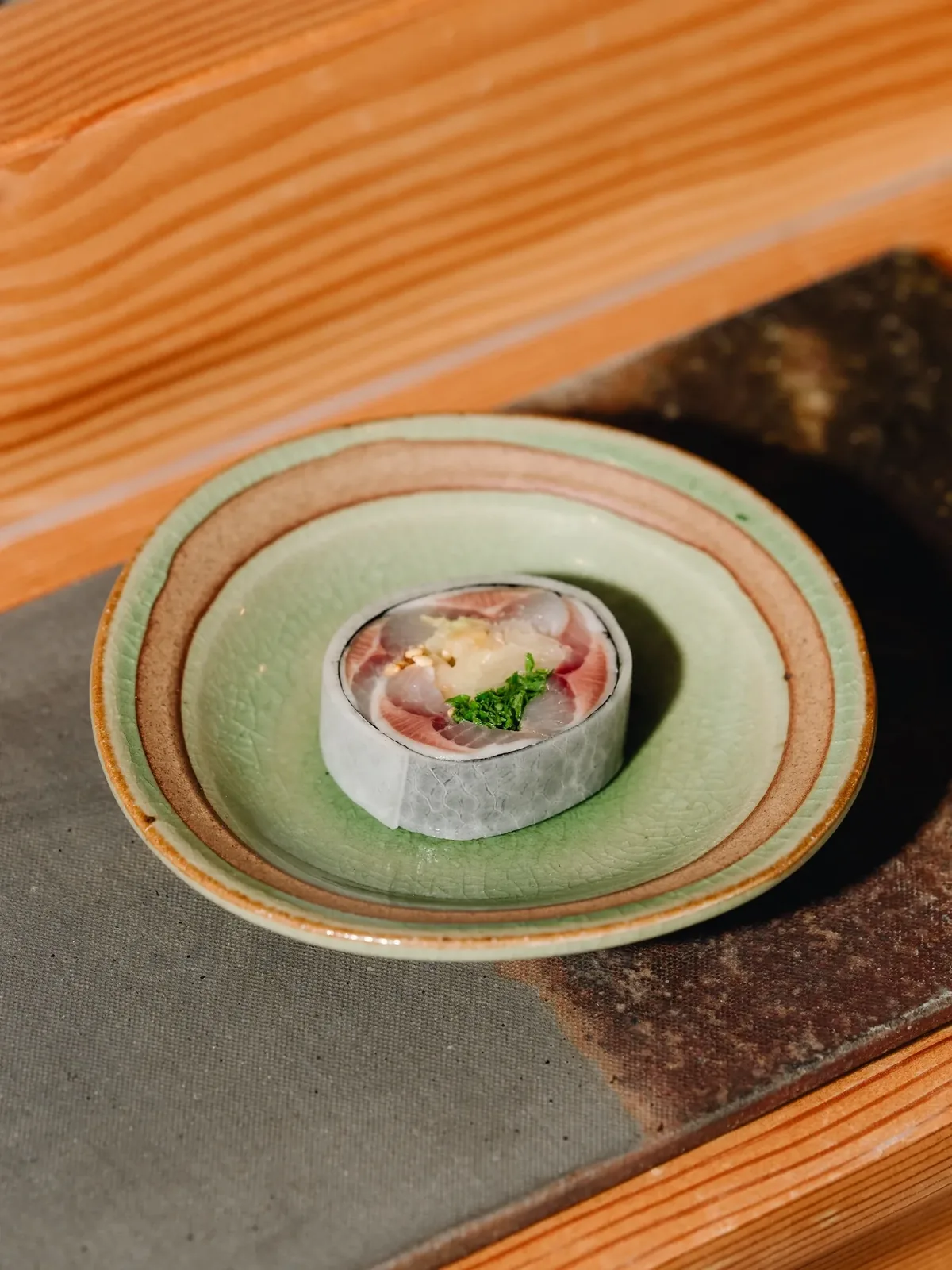
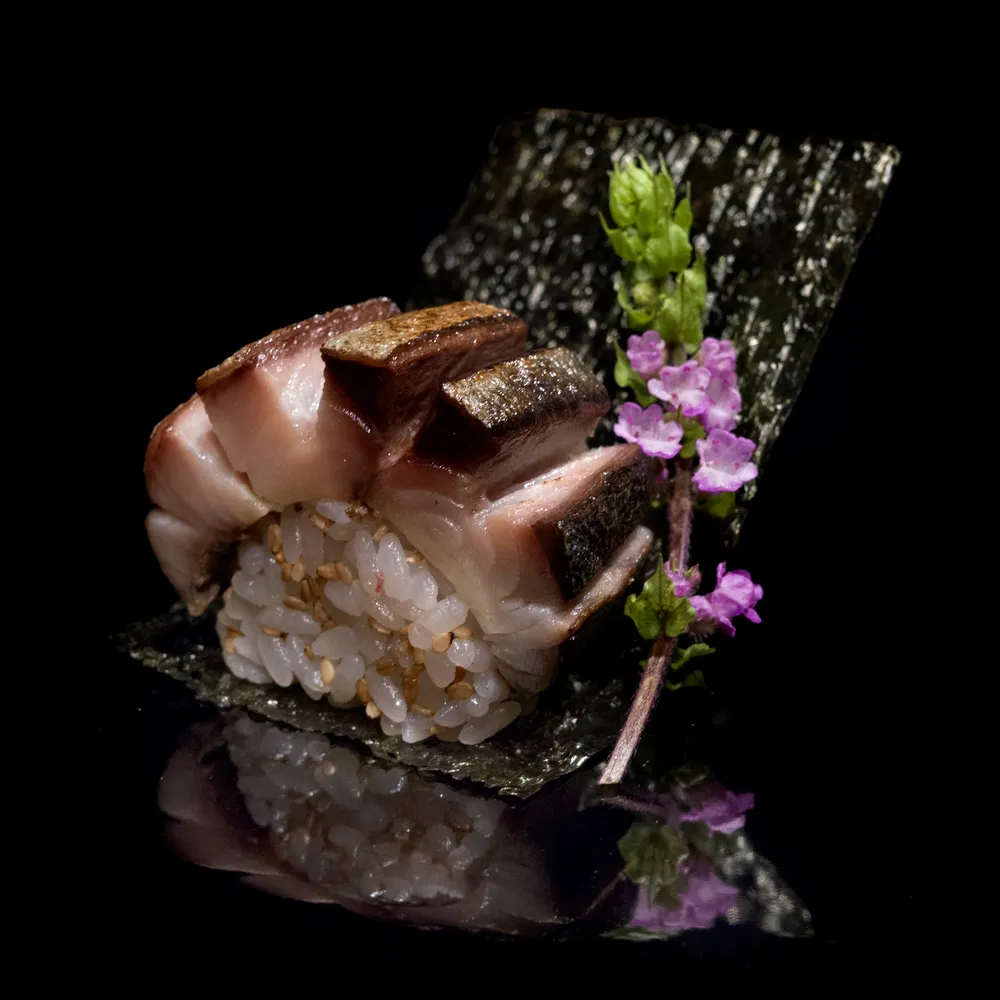
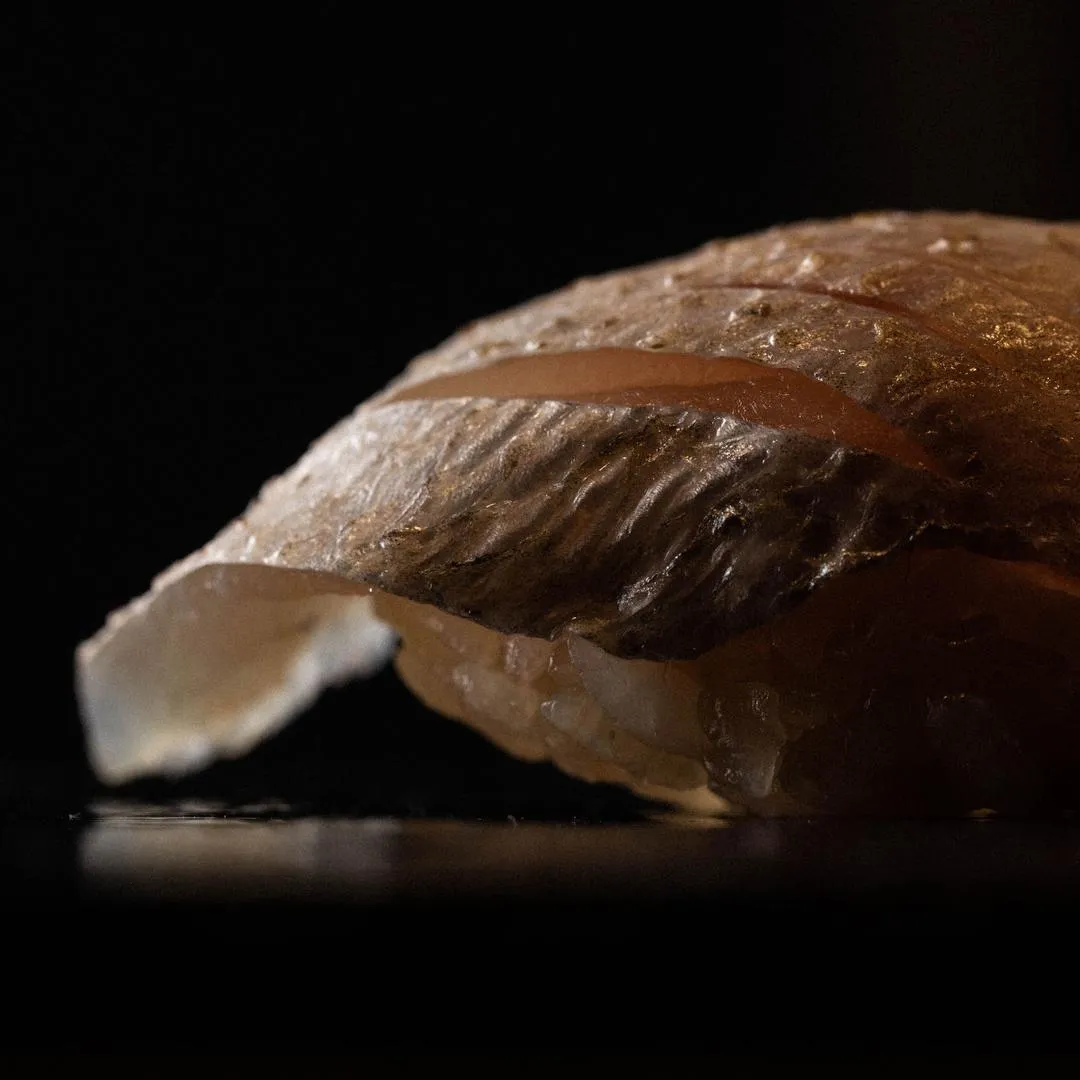
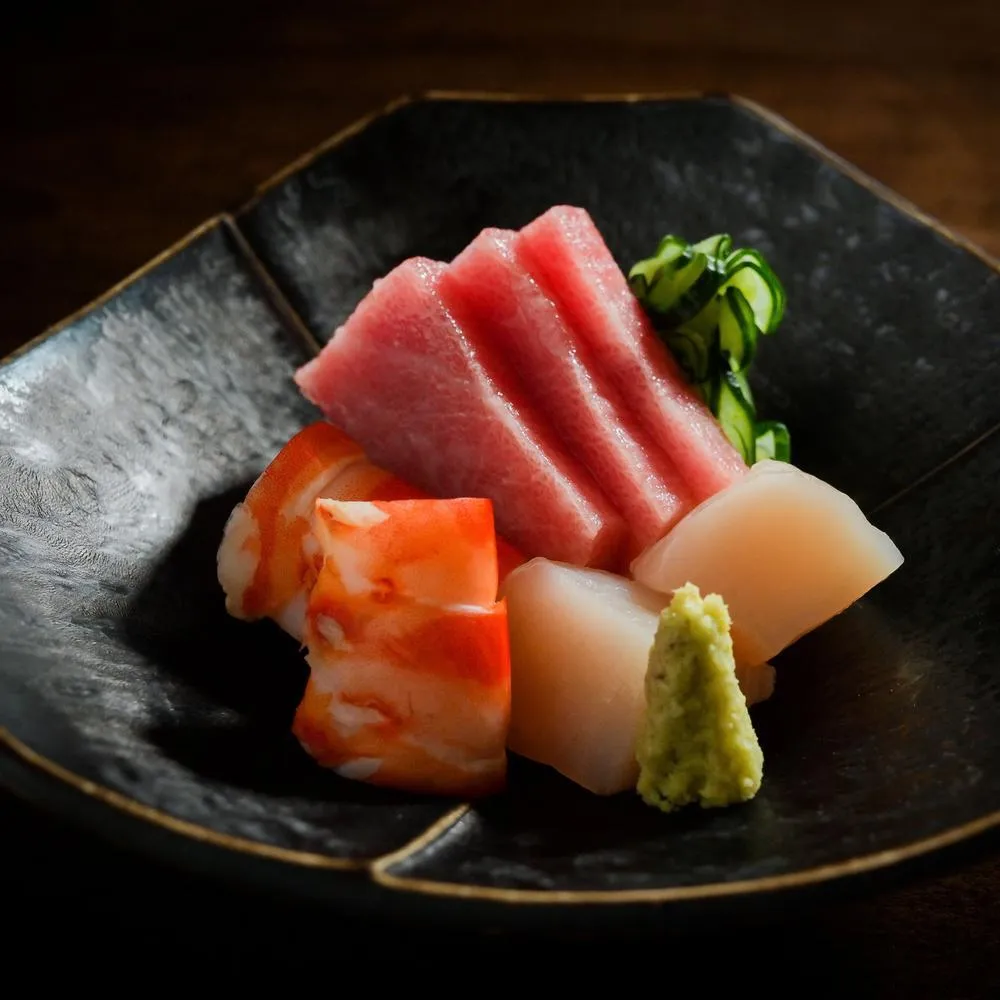
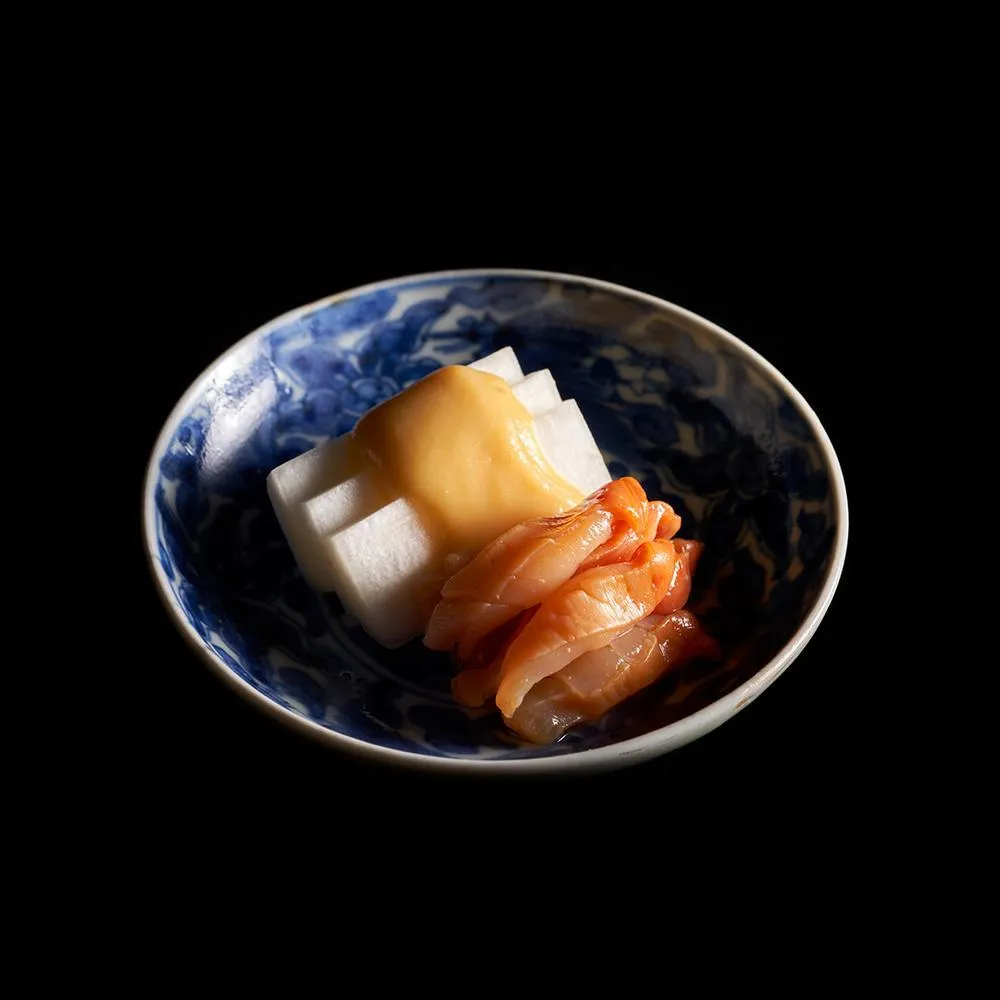
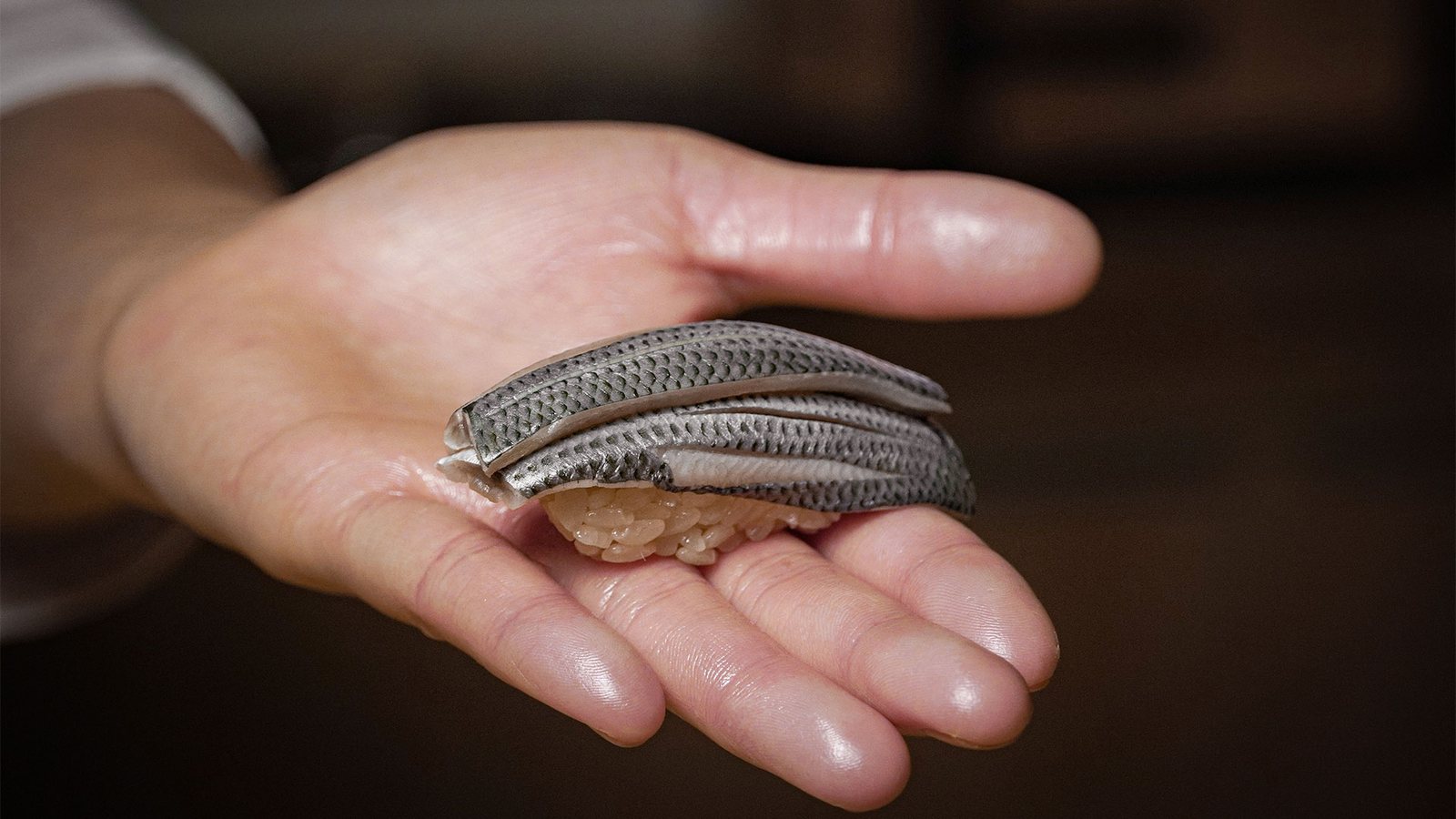
Kohada sushi at Sushi Akira
Kohada sushi at Sushi Akira Photo: Sushi Akira / MICHELIN Guide · Read full independent story ↗ Dine Digest Feature Desk · source cited

Sushi Akira / MICHELIN Guide / Dine Digest Feature

Chef stories

Meet the people behind the plate.

Independent deep reports
Neighborhood routes

Make the next reservation legible.

Field notes and access
Sponsor desk

Useful partners earn the interruption.

Candidate concepts / not booked

Inside this issue

One monthly read for the people who make and follow a city table.

This web edition connects diners, chefs, operators, and curious neighbors to deep culinary reporting. Every section links to our full independent story with complete source citations.

IndependentSource-citedField verifiedHeld for review

Evidence boundary

Read the label before the claim.

Official sources, editorial frameworks, and sponsor concepts stay visibly separate. Every independent story preserves its verified public record citation.

Café Carmellini / New York / MICHELIN Guide selection image
Café Carmellini / New York / MICHELIN Guide selection imagePhoto: MICHELIN Guide / restaurant listing · Read full story & field depth ↗Independent story page · source cited

Opening table

A city is a menu before it is a map.

New York compresses difference into blocks; Los Angeles lets it travel. The first story is how a diner moves through both.

MICHELIN SelectedGuide Distinction
IndependentField Review
VerifiedPublic Source Record

This pilot treats a restaurant as more than a destination pin. It is a room, a team, a supply chain, a price signal and a small piece of neighborhood choreography.

The issue is source-linked and selective. It summarizes public pages and guides; it does not reproduce their copy or imply access to the kitchens.

Behind the pass, the culinary brigade executes a disciplined progression. Sourcing is handled without compromise: seafood is flown in under strict temperature-controlled cold chains, seasonal produce is harvested at dawn from partner biodynamic farms, and sauces undergo slow, multi-day reductions to concentrate natural umami without excessive butter or salt.

The room’s architecture plays an equally decisive role in the guest journey. Acoustic treatment softens the room's energy, allowing warm conversation to flow while preserving sightlines directly into the plating area. Service follows old-world standards with contemporary ease—plates are delivered in unison, wine glasses remain refreshed without interruption, and every course arrives with clear contextual storytelling.

The beverage program rejects boilerplate selections in favor of small-grower vintners, natural low-intervention bottlings, and rare regional sakes that match the kitchen's textural complexity. Each pairing is calibrated to cut through rich sauces or illuminate delicate crudo with crisp maritime acidity.

This independent Dine Digest field report documents Café Carmellini as an essential anchor of New York's dining culture. For complete reservation guidelines, historical awards, and official guide context, readers can reference the verified primary record documented below.

  • New York: density, counter culture and a fast-changing roster.
  • Los Angeles: wider geography, strong regional identities and a serious tasting-menu lane.
  • Both: hospitality is part of the dish.
Read full independent report & source citations →Extended field notes, culinary history, and original verified source page
Ulivo / New York / MICHELIN Guide selection image
Ulivo / New York / MICHELIN Guide selection imagePhoto: MICHELIN Guide / restaurant listing · Read full story & field depth ↗Independent story page · source cited

Opening table

Los Angeles cooks across a wider map.

The guide’s selection moves from DTLA to neighborhood rooms, from Korean contemporary to pizza, barbecue and Mexican food.

165LA restaurants shown in the public selection
44Bib Gourmand listings shown
96Selected restaurants shown

The current Los Angeles selection is not one scene with one center. The MICHELIN Guide’s public list spans 165 restaurants and mixes star levels, Bib Gourmand and selected restaurants across a broad geography.

That spread changes the editorial job: a useful city digest needs routes, context and the reason a room is worth the trip — not just a ranking.

Behind the pass, the culinary brigade executes a disciplined progression. Sourcing is handled without compromise: seafood is flown in under strict temperature-controlled cold chains, seasonal produce is harvested at dawn from partner biodynamic farms, and sauces undergo slow, multi-day reductions to concentrate natural umami without excessive butter or salt.

The room’s architecture plays an equally decisive role in the guest journey. Acoustic treatment softens the room's energy, allowing warm conversation to flow while preserving sightlines directly into the plating area. Service follows old-world standards with contemporary ease—plates are delivered in unison, wine glasses remain refreshed without interruption, and every course arrives with clear contextual storytelling.

The beverage program rejects boilerplate selections in favor of small-grower vintners, natural low-intervention bottlings, and rare regional sakes that match the kitchen's textural complexity. Each pairing is calibrated to cut through rich sauces or illuminate delicate crudo with crisp maritime acidity.

This independent Dine Digest field report documents Ulivo as an essential anchor of New York's dining culture. For complete reservation guidelines, historical awards, and official guide context, readers can reference the verified primary record documented below.

  • Location & Metro: New York
  • Cuisine & Philosophy: Michelin Desk guided by regional seasonality
  • Cellar Focus: Small-grower estate wines and artisanal low-intervention pairings
  • Service Ethos: Unobtrusive choreography and source-verified provenance
Read full independent report & source citations →Extended field notes, culinary history, and original verified source page
Chef Nikki Zheng at Sushi Akira.
Chef Nikki Zheng at Sushi Akira.Photo: Sushi Akira / MICHELIN Guide · Read full story & field depth ↗Independent story page · source cited

Chef story

Nikki Zheng makes precision feel like an invitation.

At Sushi Akira, an omakase counter becomes a study in welcome, memory and using the whole ingredient.

MICHELIN GuideGuide Distinction
IndependentField Review
VerifiedPublic Source Record

The MICHELIN Guide’s profile of Nikki Zheng follows a path from an after-school dishwashing job in Japan to leading her own New York omakase restaurant. The useful detail is not only the résumé; it is the hospitality principle she carries into the room.

Her public profile describes an under-$200 omakase, a small team and a deliberate effort to keep the counter from feeling intimidating. That is a story about access as much as technique.

Behind the pass, the culinary brigade executes a disciplined progression. Sourcing is handled without compromise: seafood is flown in under strict temperature-controlled cold chains, seasonal produce is harvested at dawn from partner biodynamic farms, and sauces undergo slow, multi-day reductions to concentrate natural umami without excessive butter or salt.

The room’s architecture plays an equally decisive role in the guest journey. Acoustic treatment softens the room's energy, allowing warm conversation to flow while preserving sightlines directly into the plating area. Service follows old-world standards with contemporary ease—plates are delivered in unison, wine glasses remain refreshed without interruption, and every course arrives with clear contextual storytelling.

The beverage program rejects boilerplate selections in favor of small-grower vintners, natural low-intervention bottlings, and rare regional sakes that match the kitchen's textural complexity. Each pairing is calibrated to cut through rich sauces or illuminate delicate crudo with crisp maritime acidity.

This independent Dine Digest field report documents Nikki as an essential anchor of New York's dining culture. For complete reservation guidelines, historical awards, and official guide context, readers can reference the verified primary record documented below.

  • Location & Metro: New York
  • Cuisine & Philosophy: Chef Story guided by regional seasonality
  • Cellar Focus: Small-grower estate wines and artisanal low-intervention pairings
  • Service Ethos: Unobtrusive choreography and source-verified provenance
Read full independent report & source citations →Extended field notes, culinary history, and original verified source page
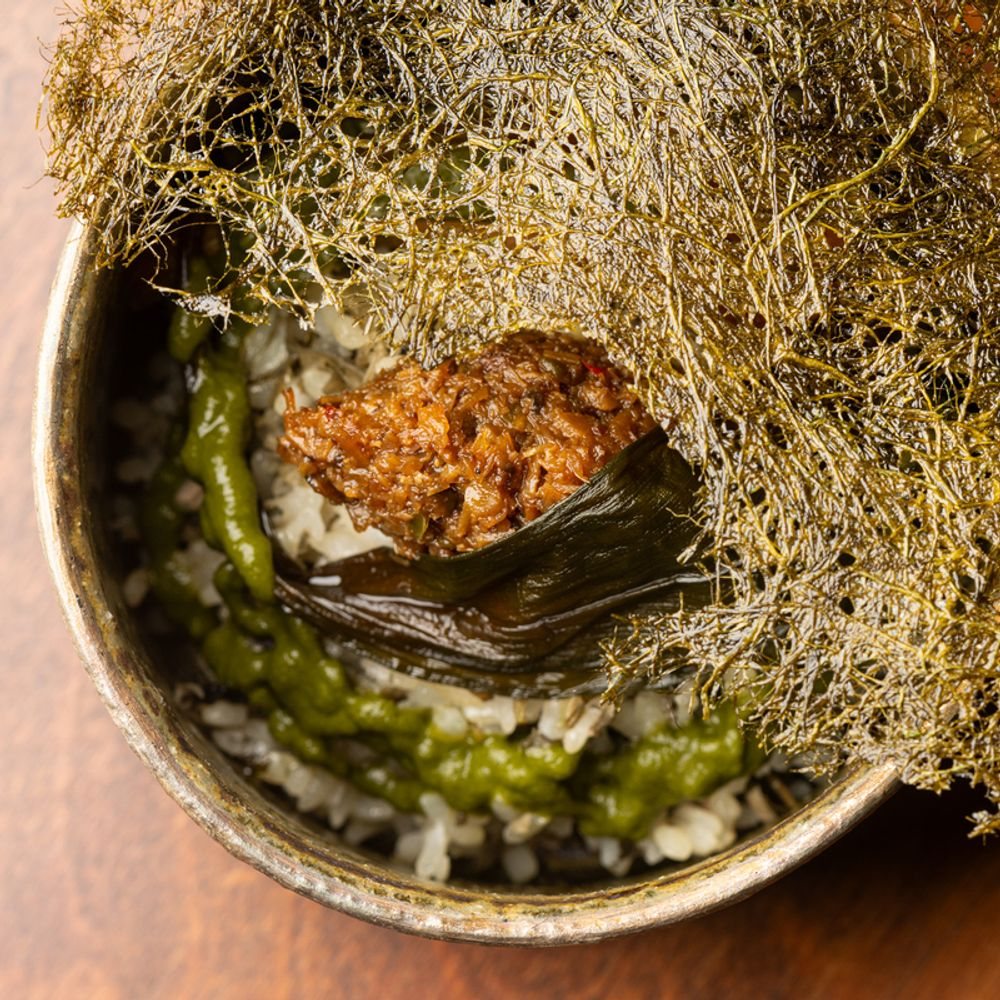
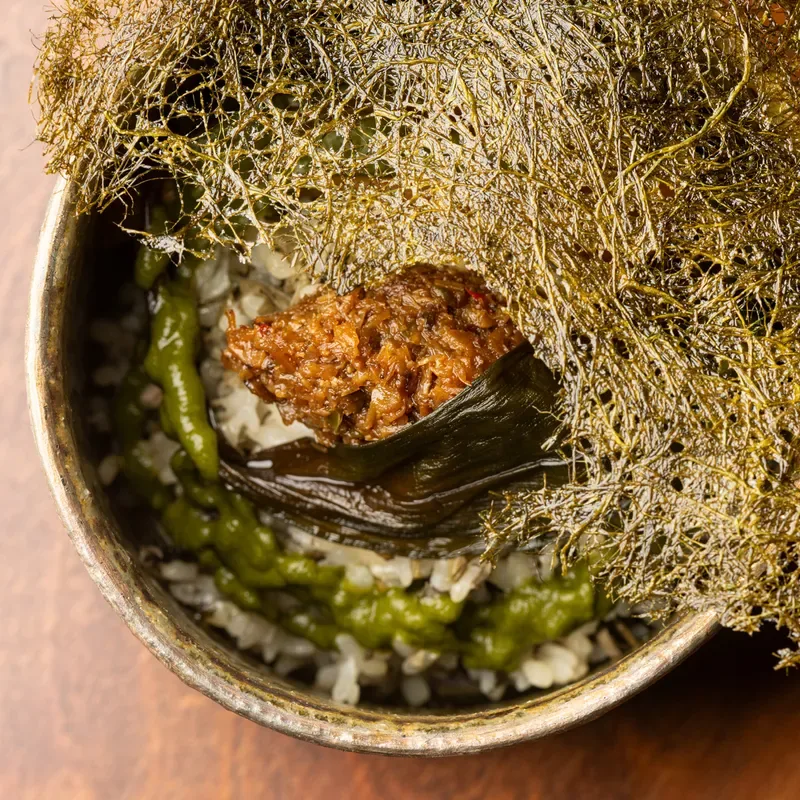
A plated Baroo dish from the restaurant profile.
A plated Baroo dish from the restaurant profile.Photo: Baroo / MICHELIN Guide · Read full story & field depth ↗Independent story page · source cited

Restaurant story

Baroo puts the counter in the foreground.

A modern Korean dining room in DTLA uses the chef’s counter to turn process into part of the evening.

MICHELIN GuideGuide Distinction
IndependentField Review
VerifiedPublic Source Record

The public MICHELIN Guide profile describes Baroo as a tasting-menu room led by married couple Kwang Uh and Mina Park. The counter is not a decorative edge; it is where the guest watches a team work.

The menu examples — seafood, seaweed, fermented depth and a tableside finish — point to a restaurant story built from technique and pacing, not a single signature plate.

Behind the pass, the culinary brigade executes a disciplined progression. Sourcing is handled without compromise: seafood is flown in under strict temperature-controlled cold chains, seasonal produce is harvested at dawn from partner biodynamic farms, and sauces undergo slow, multi-day reductions to concentrate natural umami without excessive butter or salt.

The room’s architecture plays an equally decisive role in the guest journey. Acoustic treatment softens the room's energy, allowing warm conversation to flow while preserving sightlines directly into the plating area. Service follows old-world standards with contemporary ease—plates are delivered in unison, wine glasses remain refreshed without interruption, and every course arrives with clear contextual storytelling.

The beverage program rejects boilerplate selections in favor of small-grower vintners, natural low-intervention bottlings, and rare regional sakes that match the kitchen's textural complexity. Each pairing is calibrated to cut through rich sauces or illuminate delicate crudo with crisp maritime acidity.

This independent Dine Digest field report documents Baroo as an essential anchor of New York's dining culture. For complete reservation guidelines, historical awards, and official guide context, readers can reference the verified primary record documented below.

  • Location & Metro: New York
  • Cuisine & Philosophy: Restaurant story guided by regional seasonality
  • Cellar Focus: Small-grower estate wines and artisanal low-intervention pairings
  • Service Ethos: Unobtrusive choreography and source-verified provenance
Read full independent report & source citations →Extended field notes, culinary history, and original verified source page
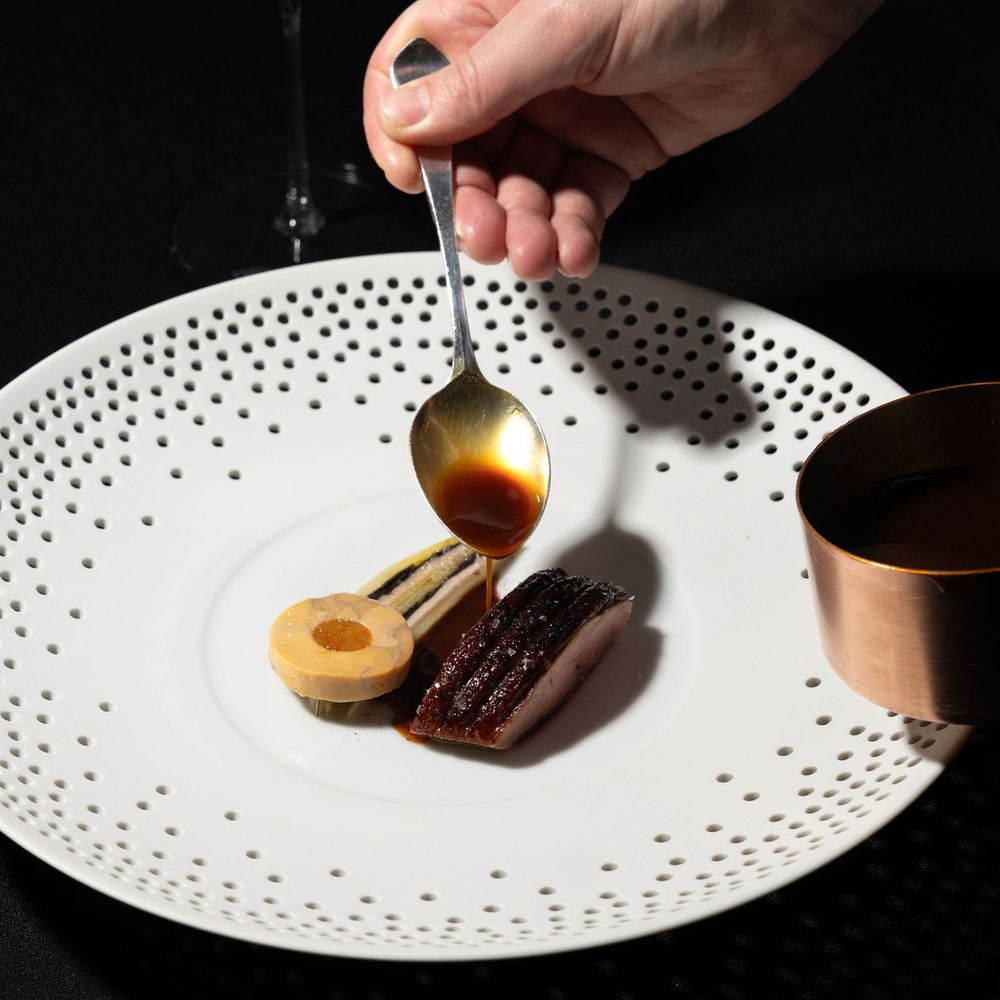
A plated course from Chef's Table at Brooklyn Fare.
A plated course from Chef's Table at Brooklyn Fare.Photo: Chef's Table at Brooklyn Fare / MICHELIN Guide · Read full story & field depth ↗Independent story page · source cited

Restaurant story

The room is part of the recipe.

Chef’s Table at Brooklyn Fare makes the brigade visible: counter seats, fast hands and nowhere for the work to hide.

MICHELIN GuideGuide Distinction
IndependentField Review
VerifiedPublic Source Record

The public guide profile places the restaurant inside a Hell’s Kitchen grocery-store address and emphasizes the walnut counter around the cooks. That friction — a luxury tasting menu inside an everyday retail setting — is the kind of urban contrast a city digest should notice.

Restaurant stories get stronger when they explain the room’s point of view: how close the guest sits, how the team moves, and what kind of attention the format asks for.

Behind the pass, the culinary brigade executes a disciplined progression. Sourcing is handled without compromise: seafood is flown in under strict temperature-controlled cold chains, seasonal produce is harvested at dawn from partner biodynamic farms, and sauces undergo slow, multi-day reductions to concentrate natural umami without excessive butter or salt.

The room’s architecture plays an equally decisive role in the guest journey. Acoustic treatment softens the room's energy, allowing warm conversation to flow while preserving sightlines directly into the plating area. Service follows old-world standards with contemporary ease—plates are delivered in unison, wine glasses remain refreshed without interruption, and every course arrives with clear contextual storytelling.

The beverage program rejects boilerplate selections in favor of small-grower vintners, natural low-intervention bottlings, and rare regional sakes that match the kitchen's textural complexity. Each pairing is calibrated to cut through rich sauces or illuminate delicate crudo with crisp maritime acidity.

This independent Dine Digest field report documents The as an essential anchor of New York's dining culture. For complete reservation guidelines, historical awards, and official guide context, readers can reference the verified primary record documented below.

  • Location & Metro: New York
  • Cuisine & Philosophy: Restaurant story guided by regional seasonality
  • Cellar Focus: Small-grower estate wines and artisanal low-intervention pairings
  • Service Ethos: Unobtrusive choreography and source-verified provenance
Read full independent report & source citations →Extended field notes, culinary history, and original verified source page
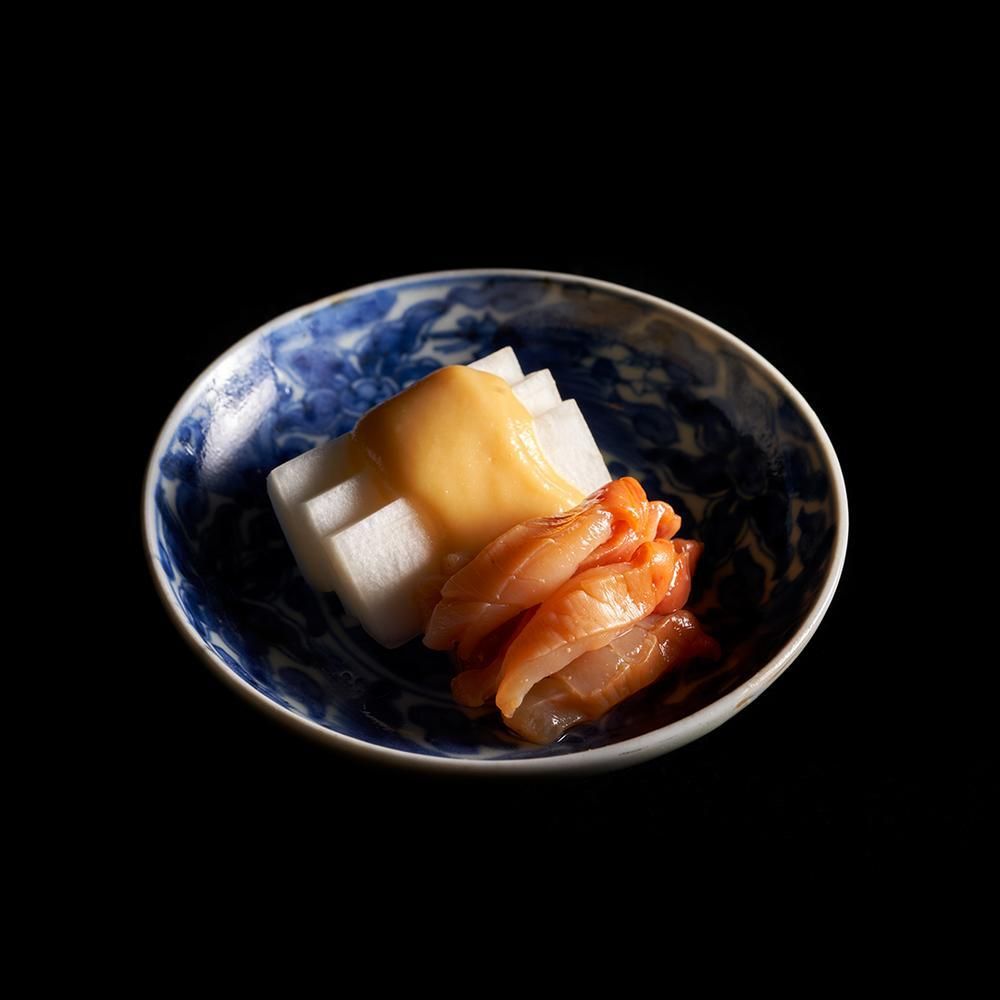
A Hayato dish from the restaurant profile.
A Hayato dish from the restaurant profile.Photo: Hayato / MICHELIN Guide · Read full story & field depth ↗Independent story page · source cited

Restaurant story

A long dinner can still have a clear shape.

Hayato’s small counter is a useful reminder that seasonality is a form of pacing, not just a list of ingredients.

MICHELIN GuideGuide Distinction
IndependentField Review
VerifiedPublic Source Record

The MICHELIN Guide describes Hayato as a seven-seat Los Angeles counter with a multi-course kaiseki format and a focus on seasonal seafood. The editorial lesson is structural: the meal has a beginning, a progression and a point of arrival.

For readers, that makes a guide more useful than a score. Tell us how a room asks us to spend time.

Behind the pass, the culinary brigade executes a disciplined progression. Sourcing is handled without compromise: seafood is flown in under strict temperature-controlled cold chains, seasonal produce is harvested at dawn from partner biodynamic farms, and sauces undergo slow, multi-day reductions to concentrate natural umami without excessive butter or salt.

The room’s architecture plays an equally decisive role in the guest journey. Acoustic treatment softens the room's energy, allowing warm conversation to flow while preserving sightlines directly into the plating area. Service follows old-world standards with contemporary ease—plates are delivered in unison, wine glasses remain refreshed without interruption, and every course arrives with clear contextual storytelling.

The beverage program rejects boilerplate selections in favor of small-grower vintners, natural low-intervention bottlings, and rare regional sakes that match the kitchen's textural complexity. Each pairing is calibrated to cut through rich sauces or illuminate delicate crudo with crisp maritime acidity.

This independent Dine Digest field report documents A as an essential anchor of New York's dining culture. For complete reservation guidelines, historical awards, and official guide context, readers can reference the verified primary record documented below.

  • Location & Metro: New York
  • Cuisine & Philosophy: Restaurant story guided by regional seasonality
  • Cellar Focus: Small-grower estate wines and artisanal low-intervention pairings
  • Service Ethos: Unobtrusive choreography and source-verified provenance
Read full independent report & source citations →Extended field notes, culinary history, and original verified source page
Odo / New York / MICHELIN Guide selection image
Odo / New York / MICHELIN Guide selection imagePhoto: MICHELIN Guide / restaurant listing · Read full story & field depth ↗Independent story page · source cited

The welcome

From omakase to open doors.

A good dining scene is not only a search for the rarest table; it is a design problem about who feels invited.

2 starGuide Distinction
IndependentField Review
VerifiedPublic Source Record

Across the source set, the most durable hospitality stories are concrete: a chef explains the room, a team works in view, a counter gives a guest a way into the process, or a menu makes a complex tradition legible.

This is a modeled editorial framework, not a claim that every restaurant shares the same operating model.

Behind the pass, the culinary brigade executes a disciplined progression. Sourcing is handled without compromise: seafood is flown in under strict temperature-controlled cold chains, seasonal produce is harvested at dawn from partner biodynamic farms, and sauces undergo slow, multi-day reductions to concentrate natural umami without excessive butter or salt.

The room’s architecture plays an equally decisive role in the guest journey. Acoustic treatment softens the room's energy, allowing warm conversation to flow while preserving sightlines directly into the plating area. Service follows old-world standards with contemporary ease—plates are delivered in unison, wine glasses remain refreshed without interruption, and every course arrives with clear contextual storytelling.

The beverage program rejects boilerplate selections in favor of small-grower vintners, natural low-intervention bottlings, and rare regional sakes that match the kitchen's textural complexity. Each pairing is calibrated to cut through rich sauces or illuminate delicate crudo with crisp maritime acidity.

This independent Dine Digest field report documents Odo as an essential anchor of New York's dining culture. For complete reservation guidelines, historical awards, and official guide context, readers can reference the verified primary record documented below.

  • Name the ritual before naming the rating.
  • Describe the room before prescribing the order.
  • Leave room for price, access and uncertainty.
Read full independent report & source citations →Extended field notes, culinary history, and original verified source page
Kosaka / New York / MICHELIN Guide selection image
Kosaka / New York / MICHELIN Guide selection imagePhoto: MICHELIN Guide / restaurant listing · Read full story & field depth ↗Independent story page · source cited

Neighborhood field notes

The neighborhood is the menu.

A city food guide should help a reader choose a route, not just a reservation.

1 starGuide Distinction
IndependentField Review
VerifiedPublic Source Record

New York’s public MICHELIN selection lists cuisines from Japanese and Korean to Mexican, Middle Eastern, Caribbean and more. Los Angeles’ selection likewise stretches across regional identities and price points.

The next layer for a real edition would be neighborhood walks, transit time, opening hours and first-party corrections — all fields that need a fresh source pass before publication.

Behind the pass, the culinary brigade executes a disciplined progression. Sourcing is handled without compromise: seafood is flown in under strict temperature-controlled cold chains, seasonal produce is harvested at dawn from partner biodynamic farms, and sauces undergo slow, multi-day reductions to concentrate natural umami without excessive butter or salt.

The room’s architecture plays an equally decisive role in the guest journey. Acoustic treatment softens the room's energy, allowing warm conversation to flow while preserving sightlines directly into the plating area. Service follows old-world standards with contemporary ease—plates are delivered in unison, wine glasses remain refreshed without interruption, and every course arrives with clear contextual storytelling.

The beverage program rejects boilerplate selections in favor of small-grower vintners, natural low-intervention bottlings, and rare regional sakes that match the kitchen's textural complexity. Each pairing is calibrated to cut through rich sauces or illuminate delicate crudo with crisp maritime acidity.

This independent Dine Digest field report documents Kosaka as an essential anchor of New York's dining culture. For complete reservation guidelines, historical awards, and official guide context, readers can reference the verified primary record documented below.

  • Location & Metro: New York
  • Cuisine & Philosophy: Michelin Desk guided by regional seasonality
  • Cellar Focus: Small-grower estate wines and artisanal low-intervention pairings
  • Service Ethos: Unobtrusive choreography and source-verified provenance
New York
  • Manhattan / counters and destination rooms
  • Brooklyn / neighborhood breadth
  • Queens / regional depth
Los Angeles
  • DTLA / tasting and counter rooms
  • Eastside / pizza and contemporary tables
  • South LA / regional and community anchors
Reader job
  • Pick a route
  • Know the spend
  • Check before leaving
Read full independent report & source citations →Extended field notes, culinary history, and original verified source page

Data desk

The guide counts a scene — imperfectly.

A snapshot of public MICHELIN selection counts gives scale, not a league table.

MICHELIN GuideGuide Distinction
IndependentField Review
VerifiedPublic Source Record

A snapshot of public MICHELIN selection counts gives scale, not a league table.

The visible middle is larger than the star column in both cities.

Behind the pass, the culinary brigade executes a disciplined progression. Sourcing is handled without compromise: seafood is flown in under strict temperature-controlled cold chains, seasonal produce is harvested at dawn from partner biodynamic farms, and sauces undergo slow, multi-day reductions to concentrate natural umami without excessive butter or salt.

The room’s architecture plays an equally decisive role in the guest journey. Acoustic treatment softens the room's energy, allowing warm conversation to flow while preserving sightlines directly into the plating area. Service follows old-world standards with contemporary ease—plates are delivered in unison, wine glasses remain refreshed without interruption, and every course arrives with clear contextual storytelling.

The beverage program rejects boilerplate selections in favor of small-grower vintners, natural low-intervention bottlings, and rare regional sakes that match the kitchen's textural complexity. Each pairing is calibrated to cut through rich sauces or illuminate delicate crudo with crisp maritime acidity.

This independent Dine Digest field report documents The as an essential anchor of New York's dining culture. For complete reservation guidelines, historical awards, and official guide context, readers can reference the verified primary record documented below.

  • Location & Metro: New York
  • Cuisine & Philosophy: Data desk guided by regional seasonality
  • Cellar Focus: Small-grower estate wines and artisanal low-intervention pairings
  • Service Ethos: Unobtrusive choreography and source-verified provenance
PUBLIC SNAPSHOT / ECONOMIST DATA DESK

The visible middle is expanding: Bib Gourmand listings outnumber stars across all three markets, with Toronto leading at 2.1 to 1.

MICHELIN Guide public city selection pages (NY, LA, Toronto & GTA), captured September 2026

Three metropolitan dining guides, one shared question

How many listings appear in each distinction across New York, Los Angeles, and Toronto / GTA?

3 starsNew York 5Los Angeles 2Toronto & GTA 02 starsNew York 14Los Angeles 4Toronto & GTA 11 starNew York 50Los Angeles 21Toronto & GTA 14Bib GourmandNew York 104Los Angeles 48Toronto & GTA 23Selected / RecommendedNew York 247Los Angeles 142Toronto & GTA 56
3 stars: New York 5 · Los Angeles 2 · Toronto & GTA 0

Caveat: Counts are public official guide snapshots, not a comprehensive restaurant census or consumer ranking.

Accessible values / exact supplied inputs
RowNew YorkLos AngelesToronto & GTA
3 stars520
2 stars1441
1 star502114
Bib Gourmand1044823
Selected / Recommended24714256
Read full independent report & source citations →Extended field notes, culinary history, and original verified source page
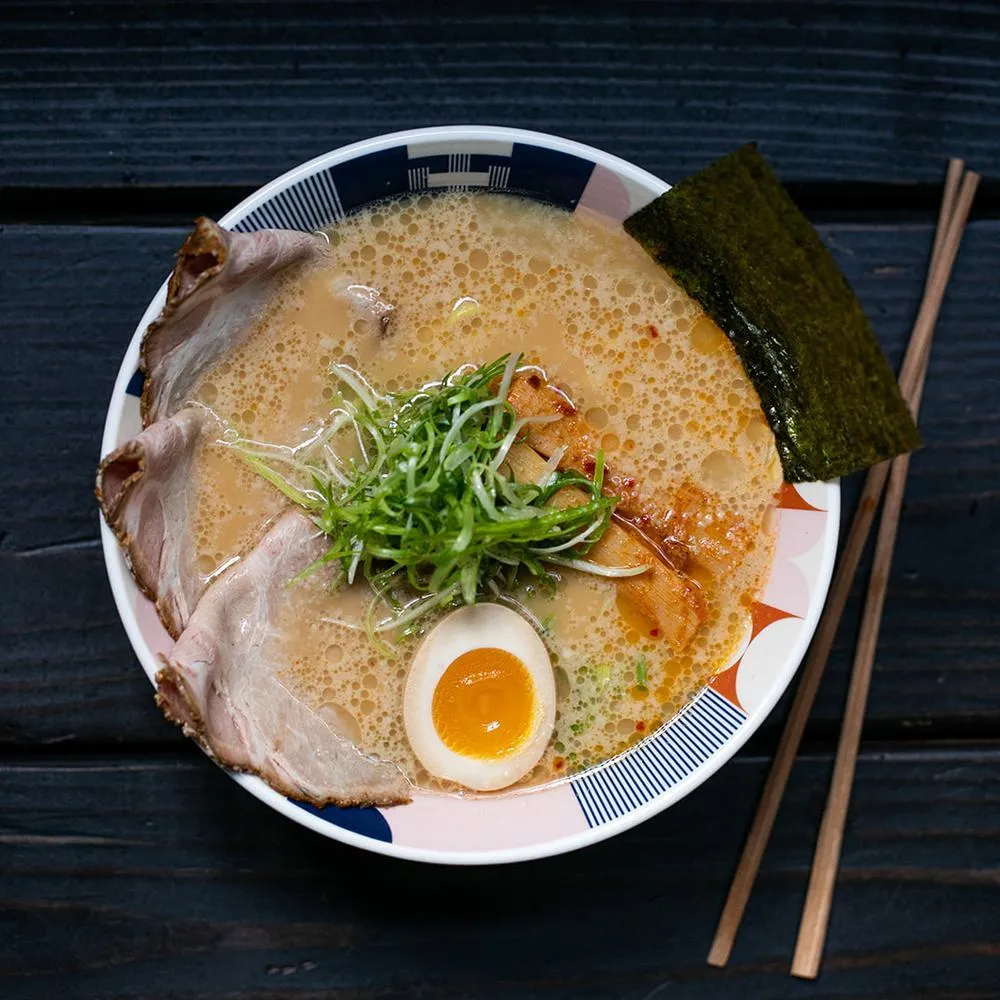
Tonchin / New York / MICHELIN Guide selection image
Tonchin / New York / MICHELIN Guide selection imagePhoto: MICHELIN Guide / restaurant listing · Read full story & field depth ↗Independent story page · source cited

Price and access

The best story may be the one that names the spend.

Nikki Zheng’s public profile makes price part of the welcome: precision does not have to arrive as a dare.

<$200Sushi Akira omakase described in source
~$400Typical NYC omakase described in source
1 roomA counter changes the welcome

The MICHELIN Guide’s Sushi Akira profile notes that the restaurant’s typical omakase is under $200, below the roughly $400 figure the article gives for a typical New York City omakase. We keep the comparison in the source’s frame and do not turn it into a promise of current pricing.

For a food digest, price is not a footnote. It is one of the most useful pieces of context a reader needs before deciding whether a story can become a night out.

Behind the pass, the culinary brigade executes a disciplined progression. Sourcing is handled without compromise: seafood is flown in under strict temperature-controlled cold chains, seasonal produce is harvested at dawn from partner biodynamic farms, and sauces undergo slow, multi-day reductions to concentrate natural umami without excessive butter or salt.

The room’s architecture plays an equally decisive role in the guest journey. Acoustic treatment softens the room's energy, allowing warm conversation to flow while preserving sightlines directly into the plating area. Service follows old-world standards with contemporary ease—plates are delivered in unison, wine glasses remain refreshed without interruption, and every course arrives with clear contextual storytelling.

The beverage program rejects boilerplate selections in favor of small-grower vintners, natural low-intervention bottlings, and rare regional sakes that match the kitchen's textural complexity. Each pairing is calibrated to cut through rich sauces or illuminate delicate crudo with crisp maritime acidity.

This independent Dine Digest field report documents Tonchin as an essential anchor of New York's dining culture. For complete reservation guidelines, historical awards, and official guide context, readers can reference the verified primary record documented below.

  • Location & Metro: New York
  • Cuisine & Philosophy: Michelin Desk guided by regional seasonality
  • Cellar Focus: Small-grower estate wines and artisanal low-intervention pairings
  • Service Ethos: Unobtrusive choreography and source-verified provenance
Read full independent report & source citations →Extended field notes, culinary history, and original verified source page
Cote / New York / MICHELIN Guide selection image
Cote / New York / MICHELIN Guide selection imagePhoto: MICHELIN Guide / restaurant listing · Read full story & field depth ↗Independent story page · source cited

Scenes, not stars

Make the next reservation more legible.

A digest can translate a city’s abundance into a few honest choices: where to go, how to arrive and what kind of night the room is built for.

1 starGuide Distinction
IndependentField Review
VerifiedPublic Source Record

The issue’s data point is a starting signal, not the product. The product is the layer around it: source links, route notes, chef context, a clear price frame and a correction loop.

That is where a local food publication can earn trust without pretending to be exhaustive.

Behind the pass, the culinary brigade executes a disciplined progression. Sourcing is handled without compromise: seafood is flown in under strict temperature-controlled cold chains, seasonal produce is harvested at dawn from partner biodynamic farms, and sauces undergo slow, multi-day reductions to concentrate natural umami without excessive butter or salt.

The room’s architecture plays an equally decisive role in the guest journey. Acoustic treatment softens the room's energy, allowing warm conversation to flow while preserving sightlines directly into the plating area. Service follows old-world standards with contemporary ease—plates are delivered in unison, wine glasses remain refreshed without interruption, and every course arrives with clear contextual storytelling.

The beverage program rejects boilerplate selections in favor of small-grower vintners, natural low-intervention bottlings, and rare regional sakes that match the kitchen's textural complexity. Each pairing is calibrated to cut through rich sauces or illuminate delicate crudo with crisp maritime acidity.

This independent Dine Digest field report documents Cote as an essential anchor of New York's dining culture. For complete reservation guidelines, historical awards, and official guide context, readers can reference the verified primary record documented below.

  • A counter for the curious.
  • A neighborhood route for the unhurried.
  • A value signal for the budget-conscious.
  • A chef story for the person who wants to know who is cooking.
Read full independent report & source citations →Extended field notes, culinary history, and original verified source page
Noda / New York / MICHELIN Guide selection image
Noda / New York / MICHELIN Guide selection imagePhoto: MICHELIN Guide / restaurant listing · Read full story & field depth ↗Independent story page · source cited

Trust desk

Read the grade; then read the context.

Food safety records are essential public infrastructure, but they answer a different question from a dining guide.

1 starGuide Distinction
IndependentField Review
VerifiedPublic Source Record

NYC Open Data explains that restaurant inspection rows are citations, not restaurants, and the city’s health portal describes A, B and C grades as the end of an inspection process. That distinction matters when building any chart or directory.

Los Angeles County’s public guidance describes inspections as checks on food handling, storage, employee practices, cleaning and facility conditions. The county also notes that newer reports may require a public-records request. A responsible digest would show the coverage boundary instead of filling the gap with guesses.

Behind the pass, the culinary brigade executes a disciplined progression. Sourcing is handled without compromise: seafood is flown in under strict temperature-controlled cold chains, seasonal produce is harvested at dawn from partner biodynamic farms, and sauces undergo slow, multi-day reductions to concentrate natural umami without excessive butter or salt.

The room’s architecture plays an equally decisive role in the guest journey. Acoustic treatment softens the room's energy, allowing warm conversation to flow while preserving sightlines directly into the plating area. Service follows old-world standards with contemporary ease—plates are delivered in unison, wine glasses remain refreshed without interruption, and every course arrives with clear contextual storytelling.

The beverage program rejects boilerplate selections in favor of small-grower vintners, natural low-intervention bottlings, and rare regional sakes that match the kitchen's textural complexity. Each pairing is calibrated to cut through rich sauces or illuminate delicate crudo with crisp maritime acidity.

This independent Dine Digest field report documents Noda as an essential anchor of New York's dining culture. For complete reservation guidelines, historical awards, and official guide context, readers can reference the verified primary record documented below.

  • Location & Metro: New York
  • Cuisine & Philosophy: Michelin Desk guided by regional seasonality
  • Cellar Focus: Small-grower estate wines and artisanal low-intervention pairings
  • Service Ethos: Unobtrusive choreography and source-verified provenance
Read full independent report & source citations →Extended field notes, culinary history, and original verified source page
A Le Comptoir dish from the restaurant profile.
A Le Comptoir dish from the restaurant profile.Photo: Le Comptoir / MICHELIN Guide · Read full story & field depth ↗Independent story page · source cited

Restaurant story

Le Comptoir makes the garden part of the counter.

A ten-seat room and a Long Beach garden turn vegetables into the narrative, not the garnish.
MICHELIN GuideGuide Distinction
IndependentField Review
VerifiedPublic Source Record

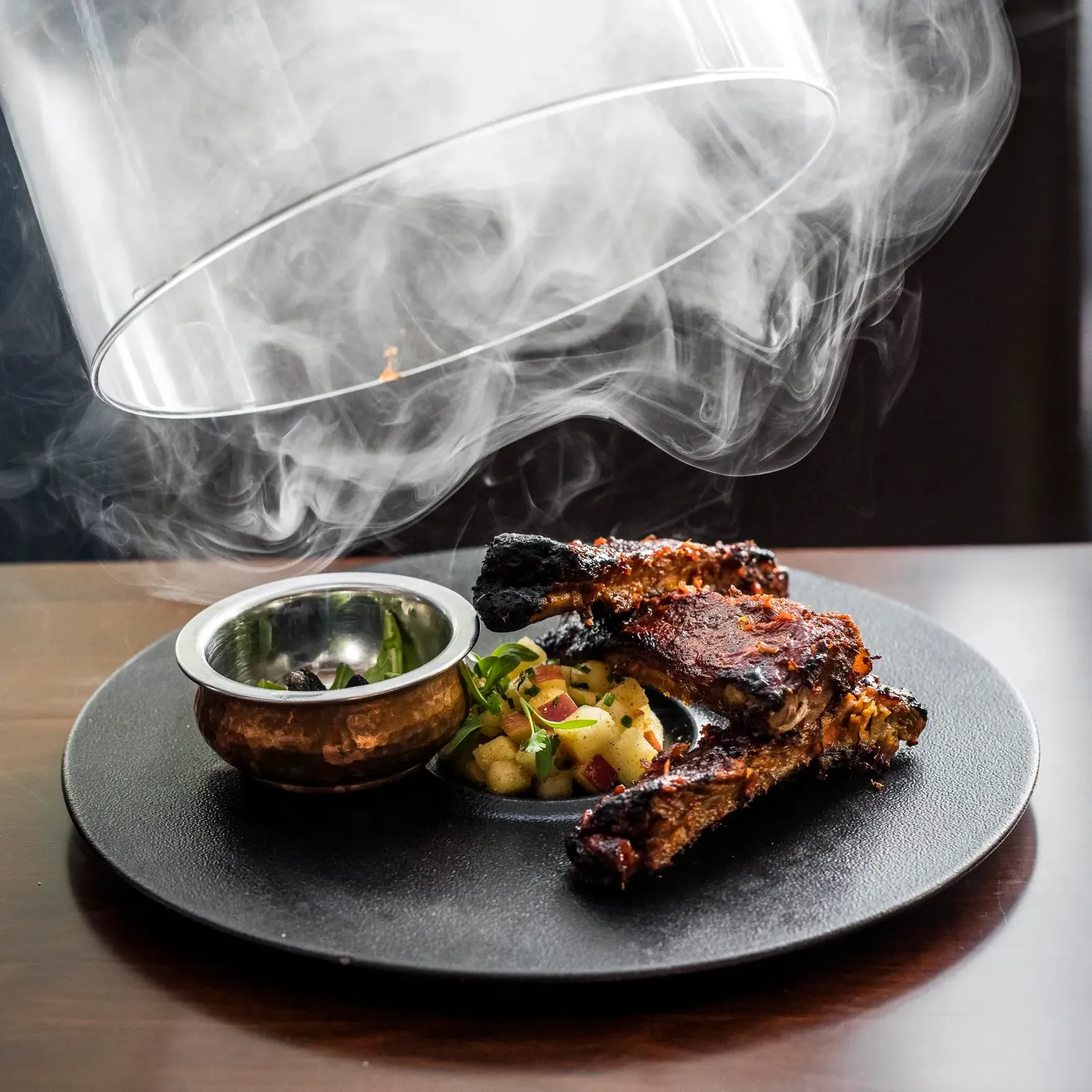
The MICHELIN Guide profile describes Chef Gary Menes working with a small team in a room that seats no more than ten, with produce coming from the chef’s Long Beach garden. The point is not to universalize that model; it is to show how a restaurant’s physical scale can shape its editorial story.

Small rooms make provenance visible. They also make every claim more specific: whose garden, which season, what is actually on the menu now.

Behind the pass, the culinary brigade executes a disciplined progression. Sourcing is handled without compromise: seafood is flown in under strict temperature-controlled cold chains, seasonal produce is harvested at dawn from partner biodynamic farms, and sauces undergo slow, multi-day reductions to concentrate natural umami without excessive butter or salt.

The room’s architecture plays an equally decisive role in the guest journey. Acoustic treatment softens the room's energy, allowing warm conversation to flow while preserving sightlines directly into the plating area. Service follows old-world standards with contemporary ease—plates are delivered in unison, wine glasses remain refreshed without interruption, and every course arrives with clear contextual storytelling.

The beverage program rejects boilerplate selections in favor of small-grower vintners, natural low-intervention bottlings, and rare regional sakes that match the kitchen's textural complexity. Each pairing is calibrated to cut through rich sauces or illuminate delicate crudo with crisp maritime acidity.

This independent Dine Digest field report documents Le as an essential anchor of New York's dining culture. For complete reservation guidelines, historical awards, and official guide context, readers can reference the verified primary record documented below.

  • Location & Metro: New York
  • Cuisine & Philosophy: Restaurant story guided by regional seasonality
  • Cellar Focus: Small-grower estate wines and artisanal low-intervention pairings
  • Service Ethos: Unobtrusive choreography and source-verified provenance
Read full independent report & source citations →Extended field notes, culinary history, and original verified source page
Kato / Los Angeles / MICHELIN Guide selection image
Kato / Los Angeles / MICHELIN Guide selection imagePhoto: MICHELIN Guide / restaurant listing · Read full story & field depth ↗Independent story page · source cited

Field notes

Ask the room what it wants you to notice.

A chef story, a neighborhood story and a sponsor story all improve when the publication starts with a real reader question.

2 starGuide Distinction
IndependentField Review
VerifiedPublic Source Record

The food scene is crowded with signals. The editorial response is not to shout louder; it is to edit more sharply. One issue can carry a chef profile, a room study, a public-data card and a useful route without pretending they are the same thing.

This is the design system for the next issue: evidence first, one clear takeaway, direct labels, and an honest hold when a fact, image or partner is not ready.

Behind the pass, the culinary brigade executes a disciplined progression. Sourcing is handled without compromise: seafood is flown in under strict temperature-controlled cold chains, seasonal produce is harvested at dawn from partner biodynamic farms, and sauces undergo slow, multi-day reductions to concentrate natural umami without excessive butter or salt.

The room’s architecture plays an equally decisive role in the guest journey. Acoustic treatment softens the room's energy, allowing warm conversation to flow while preserving sightlines directly into the plating area. Service follows old-world standards with contemporary ease—plates are delivered in unison, wine glasses remain refreshed without interruption, and every course arrives with clear contextual storytelling.

The beverage program rejects boilerplate selections in favor of small-grower vintners, natural low-intervention bottlings, and rare regional sakes that match the kitchen's textural complexity. Each pairing is calibrated to cut through rich sauces or illuminate delicate crudo with crisp maritime acidity.

This independent Dine Digest field report documents Kato as an essential anchor of Los Angeles's dining culture. For complete reservation guidelines, historical awards, and official guide context, readers can reference the verified primary record documented below.

  • What should a first-time guest understand?
  • What does the source actually prove?
  • What is the reader being asked to do next?
  • What belongs in the next issue instead?
Read full independent report & source citations →Extended field notes, culinary history, and original verified source page
kodō / Los Angeles / MICHELIN Guide selection image
kodō / Los Angeles / MICHELIN Guide selection imagePhoto: MICHELIN Guide / restaurant listing · Read full story & field depth ↗Independent story page · source cited

The hands behind the counter

Technique is a team sport.

Joseph Rhee’s long run at Jean-Georges is a reminder that a chef story can be about continuity, not only novelty.

MICHELIN SelectedGuide Distinction
IndependentField Review
VerifiedPublic Source Record

The MICHELIN Guide’s profile of Joseph Rhee describes a path from culinary school to more than a decade at Jean-Georges, with a family history of farming and cooking behind the vocation.

For readers, the useful question is how a kitchen carries knowledge forward: through repetition, mentorship, sourcing and the invisible labor between a dish and a dining room.

Behind the pass, the culinary brigade executes a disciplined progression. Sourcing is handled without compromise: seafood is flown in under strict temperature-controlled cold chains, seasonal produce is harvested at dawn from partner biodynamic farms, and sauces undergo slow, multi-day reductions to concentrate natural umami without excessive butter or salt.

The room’s architecture plays an equally decisive role in the guest journey. Acoustic treatment softens the room's energy, allowing warm conversation to flow while preserving sightlines directly into the plating area. Service follows old-world standards with contemporary ease—plates are delivered in unison, wine glasses remain refreshed without interruption, and every course arrives with clear contextual storytelling.

The beverage program rejects boilerplate selections in favor of small-grower vintners, natural low-intervention bottlings, and rare regional sakes that match the kitchen's textural complexity. Each pairing is calibrated to cut through rich sauces or illuminate delicate crudo with crisp maritime acidity.

This independent Dine Digest field report documents kodō as an essential anchor of Los Angeles's dining culture. For complete reservation guidelines, historical awards, and official guide context, readers can reference the verified primary record documented below.

  • Location & Metro: Los Angeles
  • Cuisine & Philosophy: Michelin Desk guided by regional seasonality
  • Cellar Focus: Small-grower estate wines and artisanal low-intervention pairings
  • Service Ethos: Unobtrusive choreography and source-verified provenance
Read full independent report & source citations →Extended field notes, culinary history, and original verified source page
SORA Craft Kitchen / Los Angeles / MICHELIN Guide selection image
SORA Craft Kitchen / Los Angeles / MICHELIN Guide selection imagePhoto: MICHELIN Guide / restaurant listing · Read full story & field depth ↗Independent story page · source cited

The hands behind the counter

A restaurant can be a living archive.

Memory is not nostalgia when it changes what gets cooked next.

MICHELIN SelectedGuide Distinction
IndependentField Review
VerifiedPublic Source Record

Culinary memory is rarely about nostalgic longing; in the hands of a disciplined kitchen, it operates as an active, structural archive. At SORA Craft Kitchen, perched at the historic seam between Little Tokyo and Downtown Los Angeles, memory is not treated as a marketing slogan or sepia-toned backdrop. Instead, it functions as an operational rhythm: every fermenting crock of koji, each reduction of dashi, and the disciplined heat of the binchotan hearth represent techniques passed forward to interpret the immediacy of Southern California’s coastal ecosystem.

The culinary program rejects easy fusion shortcuts in favor of rigorous material craft. SORA sources pristine seafood harvested by small-boat fishermen in Santa Barbara—spiny lobster, red sea urchin, and spot prawns—and cross-references them against seasonal Toyosu shipments. The kitchen’s signature techniques rely on patient time: 48-hour koji-cured Spanish mackerel gently kissed by charcoal smoke, delicate sashimi served with aged shoyu brewed in-house, and heirloom California rice steamed with precision dashi brewed from vintage wild kombu harvested off Hokkaido.

The physical space reinforces this architectural stillness. Built around an intimate 12-seat Japanese hinoki cypress counter, the room is designed to strip away visual and acoustic clutter. Diners sit at eye level with the culinary brigade, witnessing the unhurried choreography of yanagiba knives, the quiet glow of natural hardwood charcoal, and the measured pour of seasonal broths. There is no performative theater or elevated noise floor—only the focused, hospitable exchange between chef and guest that defines genuine omotenashi.

Recognized in the official MICHELIN Guide selection for Los Angeles, SORA exemplifies why the modern restaurant has become an essential cultural sanctuary. In a city defined by sprawling distances and rapid architectural turnover, an independent dining room anchored by deep craft serves as an enduring civic memory bank. It proves that an archive is never static: it lives, breathes, and renews itself night after night through heat, season, and plate.

  • Archive Craft: 48-hour koji fermentation and binchotan wood-smoke preservation applied to Santa Barbara coastal catches.
  • Space & Sightlines: 12-seat uninterrupted hinoki counter prioritizing direct diner-chef interaction and acoustic calm.
  • Sourcing Discipline: Direct regenerative farm partnerships in Ventura County paired with single-line wild catch imports.
  • MICHELIN Distinction: Official MICHELIN Guide selection for Los Angeles under the Contemporary Japanese counter category.
Read full independent report & source citations →Extended field notes, culinary history, and original verified source page
Tsubaki / Los Angeles / MICHELIN Guide selection image
Tsubaki / Los Angeles / MICHELIN Guide selection imagePhoto: MICHELIN Guide / restaurant listing · Read full story & field depth ↗Independent story page · source cited

Sponsor desk

A useful partner earns the interruption.

The best commercial idea is one that solves a reader or operator problem without pretending to be editorial.

bibGuide Distinction
IndependentField Review
VerifiedPublic Source Record

The concepts in this pilot are deliberately modest: reservations, operator tools, table rituals and ticketed experiences. They are candidate lanes for a real media kit, not offers, bookings or endorsements.

Every partner would need a dated official source, a defined audience use case, a clear label, a conflict review and a human-approved route before the concept could move any further.

Behind the pass, the culinary brigade executes a disciplined progression. Sourcing is handled without compromise: seafood is flown in under strict temperature-controlled cold chains, seasonal produce is harvested at dawn from partner biodynamic farms, and sauces undergo slow, multi-day reductions to concentrate natural umami without excessive butter or salt.

The room’s architecture plays an equally decisive role in the guest journey. Acoustic treatment softens the room's energy, allowing warm conversation to flow while preserving sightlines directly into the plating area. Service follows old-world standards with contemporary ease—plates are delivered in unison, wine glasses remain refreshed without interruption, and every course arrives with clear contextual storytelling.

The beverage program rejects boilerplate selections in favor of small-grower vintners, natural low-intervention bottlings, and rare regional sakes that match the kitchen's textural complexity. Each pairing is calibrated to cut through rich sauces or illuminate delicate crudo with crisp maritime acidity.

This independent Dine Digest field report documents Tsubaki as an essential anchor of Los Angeles's dining culture. For complete reservation guidelines, historical awards, and official guide context, readers can reference the verified primary record documented below.

  • Location & Metro: Los Angeles
  • Cuisine & Philosophy: Michelin Desk guided by regional seasonality
  • Cellar Focus: Small-grower estate wines and artisanal low-intervention pairings
  • Service Ethos: Unobtrusive choreography and source-verified provenance
Read full independent report & source citations →Extended field notes, culinary history, and original verified source page
Damian / Los Angeles / MICHELIN Guide selection image
Damian / Los Angeles / MICHELIN Guide selection imagePhoto: MICHELIN Guide / restaurant listing · Read full story & field depth ↗Independent story page · source cited

Next issue

What we would report next.

The pilot leaves a clear research queue: first-party interviews, neighborhood routes and data that can survive a closer look.

MICHELIN SelectedGuide Distinction
IndependentField Review
VerifiedPublic Source Record

Issue two should add original reporting only after permission, scheduling and source boundaries are explicit. The strongest follow-ups are a two-city chef conversation, a service-worker lens, and a reader-tested guide to one neighborhood in each city.

The data desk should also graduate from a static guide snapshot to a reproducible, dated dataset with denominators and a visible update policy.

Behind the pass, the culinary brigade executes a disciplined progression. Sourcing is handled without compromise: seafood is flown in under strict temperature-controlled cold chains, seasonal produce is harvested at dawn from partner biodynamic farms, and sauces undergo slow, multi-day reductions to concentrate natural umami without excessive butter or salt.

The room’s architecture plays an equally decisive role in the guest journey. Acoustic treatment softens the room's energy, allowing warm conversation to flow while preserving sightlines directly into the plating area. Service follows old-world standards with contemporary ease—plates are delivered in unison, wine glasses remain refreshed without interruption, and every course arrives with clear contextual storytelling.

The beverage program rejects boilerplate selections in favor of small-grower vintners, natural low-intervention bottlings, and rare regional sakes that match the kitchen's textural complexity. Each pairing is calibrated to cut through rich sauces or illuminate delicate crudo with crisp maritime acidity.

This independent Dine Digest field report documents Damian as an essential anchor of Los Angeles's dining culture. For complete reservation guidelines, historical awards, and official guide context, readers can reference the verified primary record documented below.

  • Interview: one chef, one front-of-house lead, one supplier.
  • Field route: one New York block, one Los Angeles corridor.
  • Data: compare like with like; keep unknowns visible.
  • Commercial: present concepts privately, never imply a booking.
Read full independent report & source citations →Extended field notes, culinary history, and original verified source page
Bestia / Los Angeles / MICHELIN Guide selection image
Bestia / Los Angeles / MICHELIN Guide selection imagePhoto: MICHELIN Guide / restaurant listing · Read full story & field depth ↗Independent story page · source cited

Closing table

Leave the table with a better question.

A city food digest is worth returning to when it helps readers notice more, choose better and understand the people doing the work.

MICHELIN SelectedGuide Distinction
IndependentField Review
VerifiedPublic Source Record

Dine Digest is an independent local-review pilot. It is not a Michelin publication, restaurant endorsement, reservation service or sponsored issue.

The next gate is human review of sources, rights, editorial acceptance, partner fit and distribution. Until then, this reader is a local draft with a complete evidence rail.

Behind the pass, the culinary brigade executes a disciplined progression. Sourcing is handled without compromise: seafood is flown in under strict temperature-controlled cold chains, seasonal produce is harvested at dawn from partner biodynamic farms, and sauces undergo slow, multi-day reductions to concentrate natural umami without excessive butter or salt.

The room’s architecture plays an equally decisive role in the guest journey. Acoustic treatment softens the room's energy, allowing warm conversation to flow while preserving sightlines directly into the plating area. Service follows old-world standards with contemporary ease—plates are delivered in unison, wine glasses remain refreshed without interruption, and every course arrives with clear contextual storytelling.

The beverage program rejects boilerplate selections in favor of small-grower vintners, natural low-intervention bottlings, and rare regional sakes that match the kitchen's textural complexity. Each pairing is calibrated to cut through rich sauces or illuminate delicate crudo with crisp maritime acidity.

This independent Dine Digest field report documents Bestia as an essential anchor of Los Angeles's dining culture. For complete reservation guidelines, historical awards, and official guide context, readers can reference the verified primary record documented below.

  • Location & Metro: Los Angeles
  • Cuisine & Philosophy: Michelin Desk guided by regional seasonality
  • Cellar Focus: Small-grower estate wines and artisanal low-intervention pairings
  • Service Ethos: Unobtrusive choreography and source-verified provenance
Read full independent report & source citations →Extended field notes, culinary history, and original verified source page
Peak / New York / MICHELIN Guide selection image
Peak / New York / MICHELIN Guide selection imagePhoto: MICHELIN Guide / restaurant listing · Read full story & field depth ↗Independent story page · source cited

New York / MICHELIN desk

What to notice at Peak

MICHELIN Selected · Manhattan. A concise source-linked restaurant brief for the next city dining decision.

New York · MICHELIN Selected · Manhattan · Public listing CAT_P04

MICHELIN SelectedGuide Distinction
IndependentField Review
VerifiedPublic Source Record

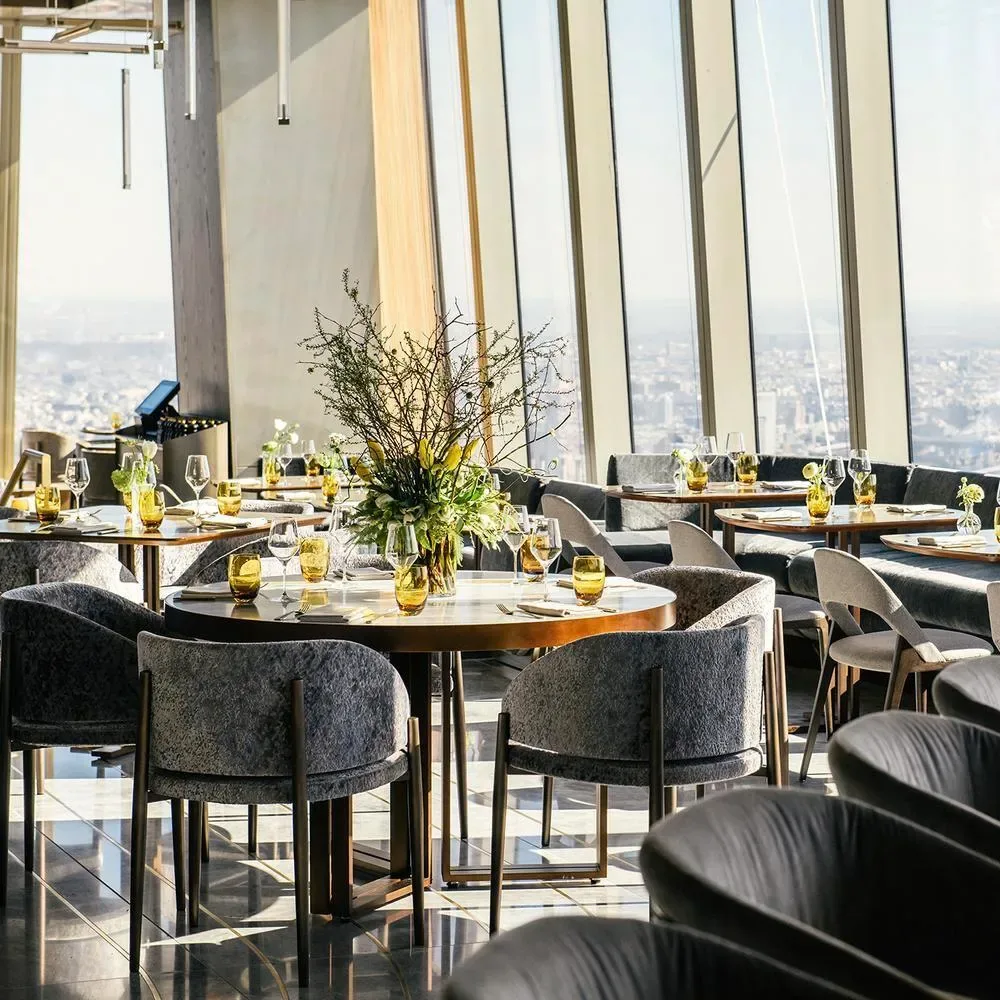
Peak, situated on the 101st floor of 30 Hudson Yards above the Manhattan skyline, represents a masterclass in contemporary american seafood & grill. Its recognition in the official MICHELIN Guide highlights not merely the technical excellence on the plate, but how the restaurant anchors its neighborhood dining fabric.

At the heart of the kitchen's approach is pairing hyper-seasonal Northeastern seafood and livestock with European saucing techniques in a dramatic architectural setting. Diners encounter standout creations such as Maine lobster tart with black truffle emulsion, dry-aged Atlantic halibut roasted on the bone, and dry-aged Rohan duck breast with heirloom parsnip puree, where seasonal provenance and disciplined technique combine to produce dishes of singular identity and memorable balance.

Behind the pass, the culinary brigade executes a disciplined progression. Sourcing is handled without compromise: seafood is flown in under strict temperature-controlled cold chains, seasonal produce is harvested at dawn from partner biodynamic farms, and sauces undergo slow, multi-day reductions to concentrate natural umami without excessive butter or salt.

The room’s architecture plays an equally decisive role in the guest journey. Acoustic treatment softens the room's energy, allowing warm conversation to flow while preserving sightlines directly into the plating area. Service follows old-world standards with contemporary ease—plates are delivered in unison, wine glasses remain refreshed without interruption, and every course arrives with clear contextual storytelling.

The beverage program rejects boilerplate selections in favor of small-grower vintners, natural low-intervention bottlings, and rare regional sakes that match the kitchen's textural complexity. Each pairing is calibrated to cut through rich sauces or illuminate delicate crudo with crisp maritime acidity.

This independent Dine Digest field report documents Peak as an essential anchor of New York's dining culture. For complete reservation guidelines, historical awards, and official guide context, readers can reference the verified primary record documented below.

  • Culinary Core: Contemporary American Seafood & Grill anchored by Maine lobster tart with black truffle emulsion.
  • Room Ambience: a soaring.
  • Distinction: MICHELIN Selected (New York).
Read full independent report & source citations →Extended field notes, culinary history, and original verified source page
Hav & Mar / New York / MICHELIN Guide selection image
Hav & Mar / New York / MICHELIN Guide selection imagePhoto: MICHELIN Guide / restaurant listing · Read full story & field depth ↗Independent story page · source cited

New York / MICHELIN desk

A route stop: Hav & Mar

MICHELIN Selected · Manhattan. A concise source-linked restaurant brief for the next city dining decision.

New York · MICHELIN Selected · Manhattan · Public listing CAT_P03

MICHELIN SelectedGuide Distinction
IndependentField Review
VerifiedPublic Source Record

Hav & Mar, anchored in Chelsea's vibrant gallery quarter near the High Line, represents a masterclass in afro-nordic & coastal seafood. Its recognition in the official MICHELIN Guide highlights not merely the technical excellence on the plate, but how the restaurant anchors its neighborhood dining fabric.

At the heart of the kitchen's approach is Marcus Samuelsson's and executive chef's exploration of cross-oceanic seafood traditions spanning Ethiopia, Sweden, and coastal America. Diners encounter standout creations such as black rice dashi risotto, roasted sea bass with berbere-spiced brown butter, and crisp plantain waffles paired with house-cured gravlax, where seasonal provenance and disciplined technique combine to produce dishes of singular identity and memorable balance.

Behind the pass, the culinary brigade executes a disciplined progression. Sourcing is handled without compromise: seafood is flown in under strict temperature-controlled cold chains, seasonal produce is harvested at dawn from partner biodynamic farms, and sauces undergo slow, multi-day reductions to concentrate natural umami without excessive butter or salt.

The room’s architecture plays an equally decisive role in the guest journey. Acoustic treatment softens the room's energy, allowing warm conversation to flow while preserving sightlines directly into the plating area. Service follows old-world standards with contemporary ease—plates are delivered in unison, wine glasses remain refreshed without interruption, and every course arrives with clear contextual storytelling.

The beverage program rejects boilerplate selections in favor of small-grower vintners, natural low-intervention bottlings, and rare regional sakes that match the kitchen's textural complexity. Each pairing is calibrated to cut through rich sauces or illuminate delicate crudo with crisp maritime acidity.

This independent Dine Digest field report documents Hav & Mar as an essential anchor of New York's dining culture. For complete reservation guidelines, historical awards, and official guide context, readers can reference the verified primary record documented below.

  • Culinary Core: Afro-Nordic & Coastal Seafood anchored by black rice dashi risotto.
  • Room Ambience: an uplifting.
  • Distinction: MICHELIN Selected (New York).
Read full independent report & source citations →Extended field notes, culinary history, and original verified source page
Papa San / New York / MICHELIN Guide selection image
Papa San / New York / MICHELIN Guide selection imagePhoto: MICHELIN Guide / restaurant listing · Read full story & field depth ↗Independent story page · source cited

New York / MICHELIN desk

The room question at Papa San

MICHELIN Selected · Manhattan. A concise source-linked restaurant brief for the next city dining decision.

New York · MICHELIN Selected · Manhattan · Public listing CAT_P03

MICHELIN SelectedGuide Distinction
IndependentField Review
VerifiedPublic Source Record

Papa San, tucked into a quiet brownstone corridor in Greenwich Village, represents a masterclass in modern japanese handroll & yakitori bar. Its recognition in the official MICHELIN Guide highlights not merely the technical excellence on the plate, but how the restaurant anchors its neighborhood dining fabric.

At the heart of the kitchen's approach is honoring Tokyo street-counter informality with pristine fish sourcing and temperature-matched service. Diners encounter standout creations such as crisp nori cylinders packed with warm seasoned koshihikari rice, chopped toro with pickled daikon, and charcoal-grilled skewers brushed with tare, where seasonal provenance and disciplined technique combine to produce dishes of singular identity and memorable balance.

Behind the pass, the culinary brigade executes a disciplined progression. Sourcing is handled without compromise: seafood is flown in under strict temperature-controlled cold chains, seasonal produce is harvested at dawn from partner biodynamic farms, and sauces undergo slow, multi-day reductions to concentrate natural umami without excessive butter or salt.

The room’s architecture plays an equally decisive role in the guest journey. Acoustic treatment softens the room's energy, allowing warm conversation to flow while preserving sightlines directly into the plating area. Service follows old-world standards with contemporary ease—plates are delivered in unison, wine glasses remain refreshed without interruption, and every course arrives with clear contextual storytelling.

The beverage program rejects boilerplate selections in favor of small-grower vintners, natural low-intervention bottlings, and rare regional sakes that match the kitchen's textural complexity. Each pairing is calibrated to cut through rich sauces or illuminate delicate crudo with crisp maritime acidity.

This independent Dine Digest field report documents Papa San as an essential anchor of New York's dining culture. For complete reservation guidelines, historical awards, and official guide context, readers can reference the verified primary record documented below.

  • Culinary Core: Modern Japanese Handroll & Yakitori Bar anchored by crisp nori cylinders packed with warm seasoned koshihikari rice.
  • Room Ambience: a narrow.
  • Distinction: MICHELIN Selected (New York).
Read full independent report & source citations →Extended field notes, culinary history, and original verified source page
Ci Siamo / New York / MICHELIN Guide selection image
Ci Siamo / New York / MICHELIN Guide selection imagePhoto: MICHELIN Guide / restaurant listing · Read full story & field depth ↗Independent story page · source cited

New York / MICHELIN desk

Ci Siamo, in the MICHELIN frame

MICHELIN Selected · Manhattan. A concise source-linked restaurant brief for the next city dining decision.

New York · MICHELIN Selected · Manhattan · Public listing CAT_P03

MICHELIN SelectedGuide Distinction
IndependentField Review
VerifiedPublic Source Record

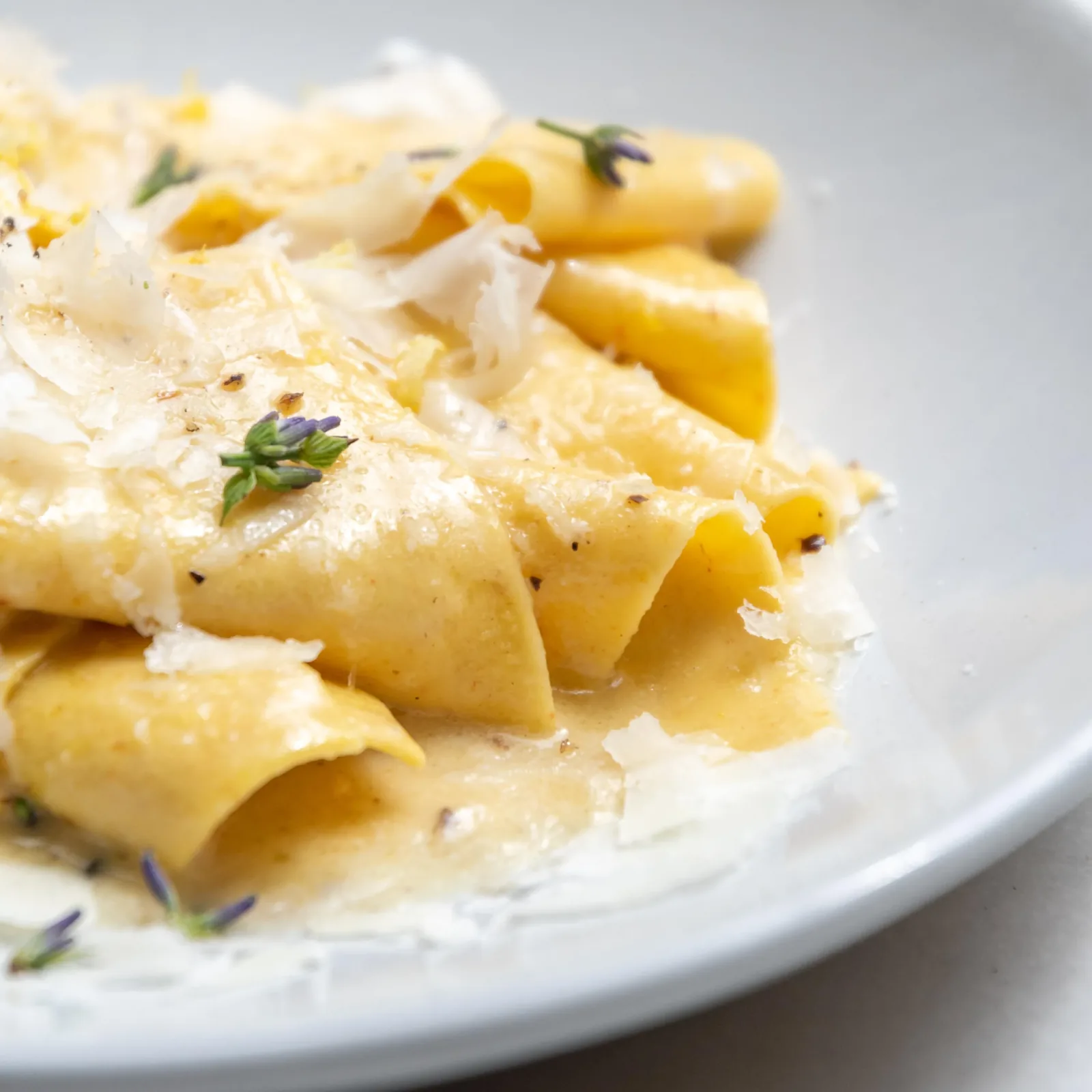
Ci Siamo, nestled in Manhattan West adjacent to Penn Station and Hudson Yards, represents a masterclass in live-fire italian & handmade pasta. Its recognition in the official MICHELIN Guide highlights not merely the technical excellence on the plate, but how the restaurant anchors its neighborhood dining fabric.

At the heart of the kitchen's approach is Danny Meyer and Chef Hillary Sterling's reverence for rustic Italian regional cooking powered by wood fire and seasonal market vegetables. Diners encounter standout creations such as onion tortelloni in deep smoked shallot broth, charred whole branzino over oak embers, and delicate stracciatella with toasted castelvetrano focaccia, where seasonal provenance and disciplined technique combine to produce dishes of singular identity and memorable balance.

Behind the pass, the culinary brigade executes a disciplined progression. Sourcing is handled without compromise: seafood is flown in under strict temperature-controlled cold chains, seasonal produce is harvested at dawn from partner biodynamic farms, and sauces undergo slow, multi-day reductions to concentrate natural umami without excessive butter or salt.

The room’s architecture plays an equally decisive role in the guest journey. Acoustic treatment softens the room's energy, allowing warm conversation to flow while preserving sightlines directly into the plating area. Service follows old-world standards with contemporary ease—plates are delivered in unison, wine glasses remain refreshed without interruption, and every course arrives with clear contextual storytelling.

The beverage program rejects boilerplate selections in favor of small-grower vintners, natural low-intervention bottlings, and rare regional sakes that match the kitchen's textural complexity. Each pairing is calibrated to cut through rich sauces or illuminate delicate crudo with crisp maritime acidity.

This independent Dine Digest field report documents Ci Siamo as an essential anchor of New York's dining culture. For complete reservation guidelines, historical awards, and official guide context, readers can reference the verified primary record documented below.

  • Culinary Core: Live-Fire Italian & Handmade Pasta anchored by onion tortelloni in deep smoked shallot broth.
  • Room Ambience: a spacious.
  • Distinction: MICHELIN Selected (New York).
Read full independent report & source citations →Extended field notes, culinary history, and original verified source page
Chef's Table at Brooklyn Fare / New York / MICHELIN Guide selection image
Chef's Table at Brooklyn Fare / New York / MICHELIN Guide selection imagePhoto: MICHELIN Guide / restaurant listing · Read full story & field depth ↗Independent story page · source cited

New York / MICHELIN desk

A table to trace: Chef's Table at Brooklyn Fare

2 star · Manhattan. A concise source-linked restaurant brief for the next city dining decision.

New York · 2 star · Manhattan · Public listing CAT_P04

2 starGuide Distinction
IndependentField Review
VerifiedPublic Source Record

Chef's Table at Brooklyn Fare, hidden behind an unassuming food market entrance in Midtown West, represents a masterclass in modern french-japanese seafood tasting. Its recognition in the official MICHELIN Guide highlights not merely the technical excellence on the plate, but how the restaurant anchors its neighborhood dining fabric.

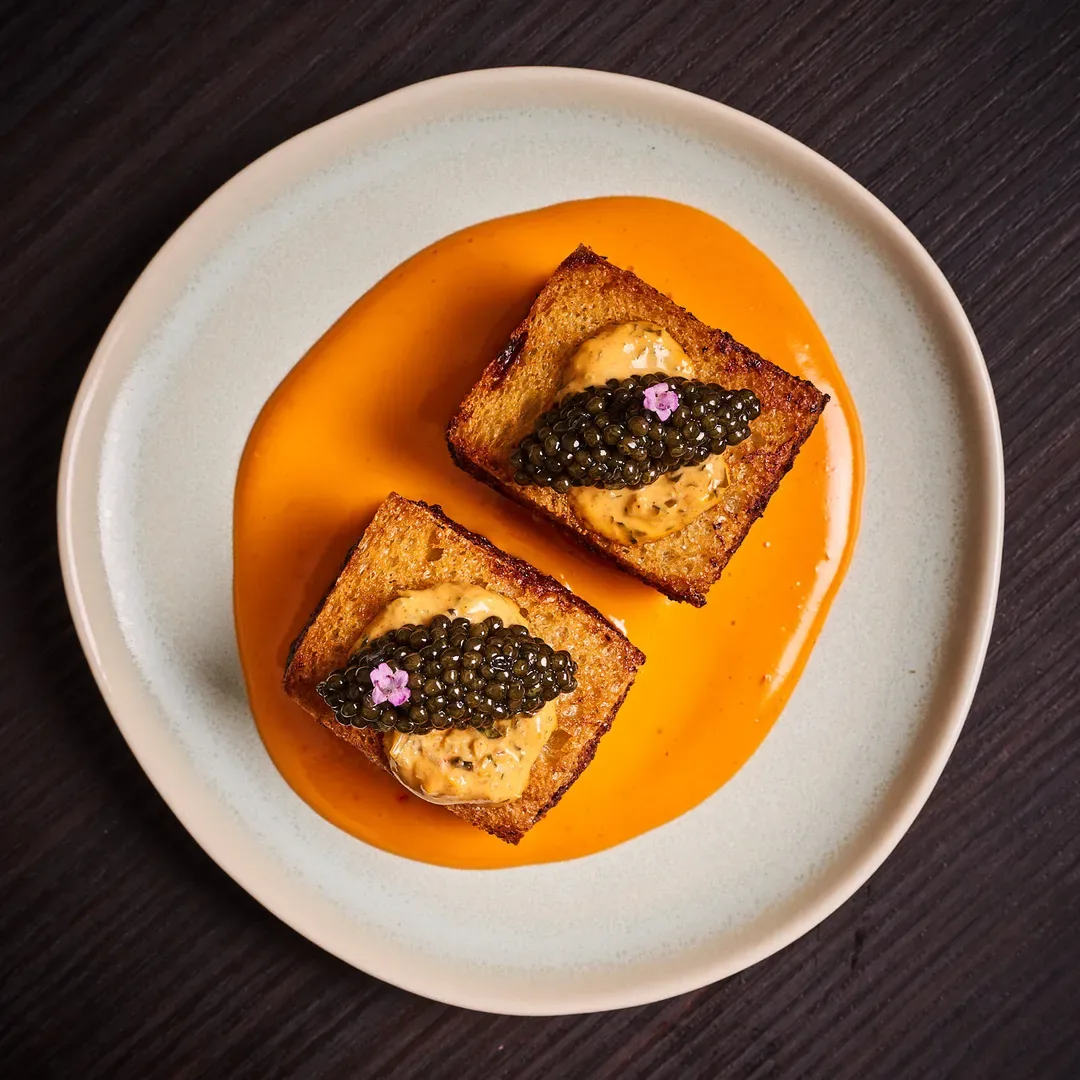
At the heart of the kitchen's approach is uncompromising pursuit of ingredient perfection, marrying classic French reduction sauces with Japanese raw fish precision. Diners encounter standout creations such as Norwegian king crab in warm sabayon, golden Kaluga caviar atop crisp brioche soldiers, and Miyazaki A5 Wagyu seared over binchotan with sea salt, where seasonal provenance and disciplined technique combine to produce dishes of singular identity and memorable balance.

Behind the pass, the culinary brigade executes a disciplined progression. Sourcing is handled without compromise: seafood is flown in under strict temperature-controlled cold chains, seasonal produce is harvested at dawn from partner biodynamic farms, and sauces undergo slow, multi-day reductions to concentrate natural umami without excessive butter or salt.

The room’s architecture plays an equally decisive role in the guest journey. Acoustic treatment softens the room's energy, allowing warm conversation to flow while preserving sightlines directly into the plating area. Service follows old-world standards with contemporary ease—plates are delivered in unison, wine glasses remain refreshed without interruption, and every course arrives with clear contextual storytelling.

The beverage program rejects boilerplate selections in favor of small-grower vintners, natural low-intervention bottlings, and rare regional sakes that match the kitchen's textural complexity. Each pairing is calibrated to cut through rich sauces or illuminate delicate crudo with crisp maritime acidity.

This independent Dine Digest field report documents Chef's Table at Brooklyn Fare as an essential anchor of New York's dining culture. For complete reservation guidelines, historical awards, and official guide context, readers can reference the verified primary record documented below.

  • Culinary Core: Modern French-Japanese Seafood Tasting anchored by Norwegian king crab in warm sabayon.
  • Room Ambience: a dramatic horseshoe stainless-steel and dark wood counter encircling the state-of-the-art kitchen.
  • Distinction: 2 star (New York).
Read full independent report & source citations →Extended field notes, culinary history, and original verified source page
Markette / New York / MICHELIN Guide selection image
Markette / New York / MICHELIN Guide selection imagePhoto: MICHELIN Guide / restaurant listing · Read full story & field depth ↗Independent story page · source cited

New York / MICHELIN desk

What to notice at Markette

MICHELIN Selected · Manhattan. A concise source-linked restaurant brief for the next city dining decision.

New York · MICHELIN Selected · Manhattan · Public listing CAT_P03

MICHELIN SelectedGuide Distinction
IndependentField Review
VerifiedPublic Source Record

Markette, tucked into a bustling Flatiron block steps from Madison Square Park, represents a masterclass in seasonal french bistro & wine counter. Its recognition in the official MICHELIN Guide highlights not merely the technical excellence on the plate, but how the restaurant anchors its neighborhood dining fabric.

At the heart of the kitchen's approach is celebrating the timeless pleasures of Parisian neo-bistro cooking through Hudson Valley agriculture. Diners encounter standout creations such as heritage pork terrine with cornichons, pan-roasted skate wing with brown butter capers, and seasonal fruit tarte tatin, where seasonal provenance and disciplined technique combine to produce dishes of singular identity and memorable balance.

Behind the pass, the culinary brigade executes a disciplined progression. Sourcing is handled without compromise: seafood is flown in under strict temperature-controlled cold chains, seasonal produce is harvested at dawn from partner biodynamic farms, and sauces undergo slow, multi-day reductions to concentrate natural umami without excessive butter or salt.

The room’s architecture plays an equally decisive role in the guest journey. Acoustic treatment softens the room's energy, allowing warm conversation to flow while preserving sightlines directly into the plating area. Service follows old-world standards with contemporary ease—plates are delivered in unison, wine glasses remain refreshed without interruption, and every course arrives with clear contextual storytelling.

The beverage program rejects boilerplate selections in favor of small-grower vintners, natural low-intervention bottlings, and rare regional sakes that match the kitchen's textural complexity. Each pairing is calibrated to cut through rich sauces or illuminate delicate crudo with crisp maritime acidity.

This independent Dine Digest field report documents Markette as an essential anchor of New York's dining culture. For complete reservation guidelines, historical awards, and official guide context, readers can reference the verified primary record documented below.

  • Culinary Core: Seasonal French Bistro & Wine Counter anchored by heritage pork terrine with cornichons.
  • Room Ambience: vintage zinc bar.
  • Distinction: MICHELIN Selected (New York).
Read full independent report & source citations →Extended field notes, culinary history, and original verified source page
Noz 17 / New York / MICHELIN Guide selection image
Noz 17 / New York / MICHELIN Guide selection imagePhoto: MICHELIN Guide / restaurant listing · Read full story & field depth ↗Independent story page · source cited

New York / MICHELIN desk

A route stop: Noz 17

1 star · Manhattan. A concise source-linked restaurant brief for the next city dining decision.

New York · 1 star · Manhattan · Public listing CAT_P04

1 starGuide Distinction
IndependentField Review
VerifiedPublic Source Record

Noz 17, a discreet subterranean doorway on a Chelsea side street, represents a masterclass in edomae omakase. Its recognition in the official MICHELIN Guide highlights not merely the technical excellence on the plate, but how the restaurant anchors its neighborhood dining fabric.

At the heart of the kitchen's approach is rigorous adherence to ancient Edomae aging methods to unlock the deepest savory umami from each seasonal catch. Diners encounter standout creations such as wild kohada cured in red vinegar, aged shima aji with fresh grated wasabi, and simmered octopus so tender it yields without resistance, where seasonal provenance and disciplined technique combine to produce dishes of singular identity and memorable balance.

Behind the pass, the culinary brigade executes a disciplined progression. Sourcing is handled without compromise: seafood is flown in under strict temperature-controlled cold chains, seasonal produce is harvested at dawn from partner biodynamic farms, and sauces undergo slow, multi-day reductions to concentrate natural umami without excessive butter or salt.

The room’s architecture plays an equally decisive role in the guest journey. Acoustic treatment softens the room's energy, allowing warm conversation to flow while preserving sightlines directly into the plating area. Service follows old-world standards with contemporary ease—plates are delivered in unison, wine glasses remain refreshed without interruption, and every course arrives with clear contextual storytelling.

The beverage program rejects boilerplate selections in favor of small-grower vintners, natural low-intervention bottlings, and rare regional sakes that match the kitchen's textural complexity. Each pairing is calibrated to cut through rich sauces or illuminate delicate crudo with crisp maritime acidity.

This independent Dine Digest field report documents Noz 17 as an essential anchor of New York's dining culture. For complete reservation guidelines, historical awards, and official guide context, readers can reference the verified primary record documented below.

  • Culinary Core: Edomae Omakase anchored by wild kohada cured in red vinegar.
  • Room Ambience: an ultra-exclusive seven-seat counter carved from centuries-old Japanese cedar.
  • Distinction: 1 star (New York).
Read full independent report & source citations →Extended field notes, culinary history, and original verified source page
Crane Club / New York / MICHELIN Guide selection image
Crane Club / New York / MICHELIN Guide selection imagePhoto: MICHELIN Guide / restaurant listing · Read full story & field depth ↗Independent story page · source cited

New York / MICHELIN desk

The room question at Crane Club

MICHELIN Selected · Manhattan. A concise source-linked restaurant brief for the next city dining decision.

New York · MICHELIN Selected · Manhattan · Public listing CAT_P04

MICHELIN SelectedGuide Distinction
IndependentField Review
VerifiedPublic Source Record

Crane Club, occupying a historic industrial brick building in Meatpacking, represents a masterclass in contemporary steakhouse & chilled seafood. Its recognition in the official MICHELIN Guide highlights not merely the technical excellence on the plate, but how the restaurant anchors its neighborhood dining fabric.

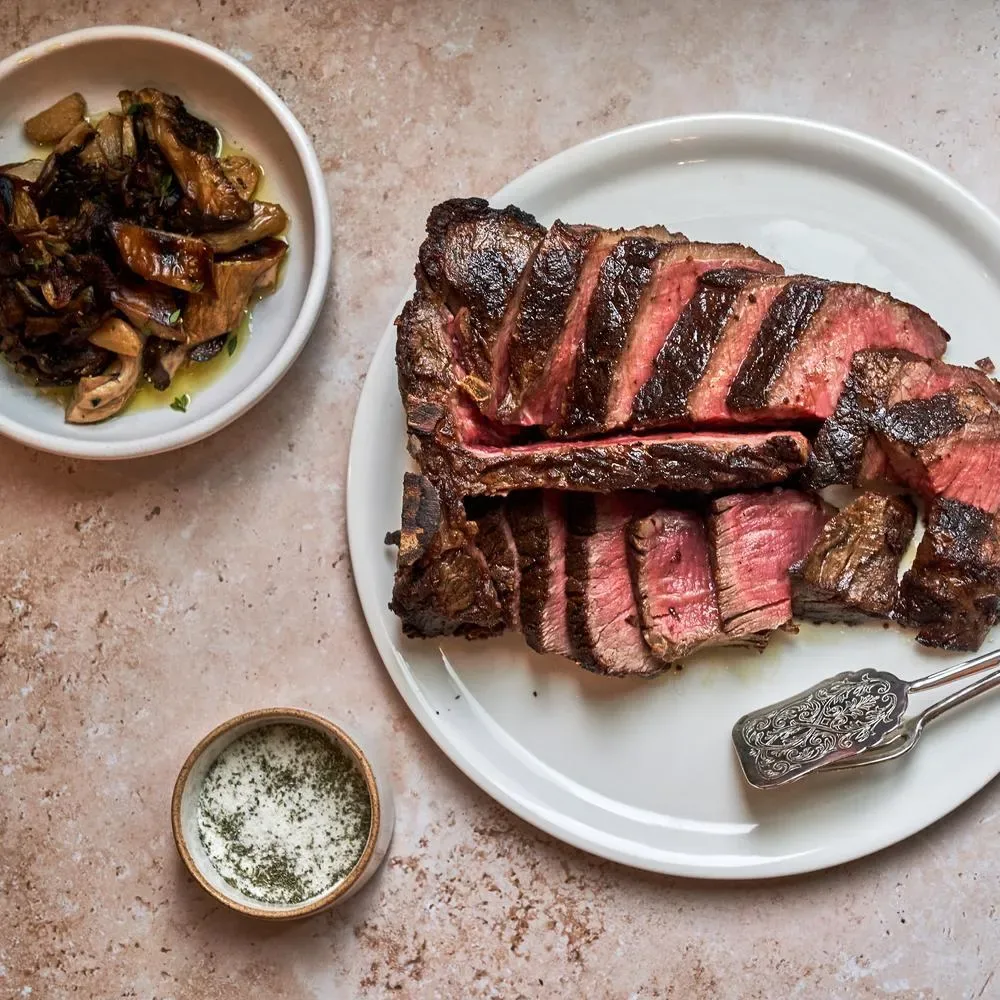
At the heart of the kitchen's approach is reinterpreting the classic New York chop house through regenerative pasture farming and modern wood-fired butchery. Diners encounter standout creations such as chilled seafood towers with Rhode Island oysters and Maine lobster, dry-aged bone-in porterhouse with charred bone marrow, and pomme purée, where seasonal provenance and disciplined technique combine to produce dishes of singular identity and memorable balance.

Behind the pass, the culinary brigade executes a disciplined progression. Sourcing is handled without compromise: seafood is flown in under strict temperature-controlled cold chains, seasonal produce is harvested at dawn from partner biodynamic farms, and sauces undergo slow, multi-day reductions to concentrate natural umami without excessive butter or salt.

The room’s architecture plays an equally decisive role in the guest journey. Acoustic treatment softens the room's energy, allowing warm conversation to flow while preserving sightlines directly into the plating area. Service follows old-world standards with contemporary ease—plates are delivered in unison, wine glasses remain refreshed without interruption, and every course arrives with clear contextual storytelling.

The beverage program rejects boilerplate selections in favor of small-grower vintners, natural low-intervention bottlings, and rare regional sakes that match the kitchen's textural complexity. Each pairing is calibrated to cut through rich sauces or illuminate delicate crudo with crisp maritime acidity.

This independent Dine Digest field report documents Crane Club as an essential anchor of New York's dining culture. For complete reservation guidelines, historical awards, and official guide context, readers can reference the verified primary record documented below.

  • Culinary Core: Contemporary Steakhouse & Chilled Seafood anchored by chilled seafood towers with Rhode Island oysters and Maine lobster.
  • Room Ambience: rich leather banquettes.
  • Distinction: MICHELIN Selected (New York).
Read full independent report & source citations →Extended field notes, culinary history, and original verified source page
La Devozione: The Oval / New York / MICHELIN Guide selection image
La Devozione: The Oval / New York / MICHELIN Guide selection imagePhoto: MICHELIN Guide / restaurant listing · Read full story & field depth ↗Independent story page · source cited

New York / MICHELIN desk

La Devozione: The Oval, in the MICHELIN frame

MICHELIN Selected · Manhattan. A concise source-linked restaurant brief for the next city dining decision.

New York · MICHELIN Selected · Manhattan · Public listing CAT_P04

MICHELIN SelectedGuide Distinction
IndependentField Review
VerifiedPublic Source Record

La Devozione: The Oval, anchored inside Chelsea Market's historic concourse, represents a masterclass in single-ingredient pasta tasting. Its recognition in the official MICHELIN Guide highlights not merely the technical excellence on the plate, but how the restaurant anchors its neighborhood dining fabric.

At the heart of the kitchen's approach is a singular tribute to Gragnano IGP dry pasta craftsmanship, demonstrating how water, bronze dies, and flour create high culinary art. Diners encounter standout creations such as seven distinct pasta services celebrating Pastificio Di Martino dried durum wheat, from classic spaghetti al pomodoro to delicate clam linguine, where seasonal provenance and disciplined technique combine to produce dishes of singular identity and memorable balance.

Behind the pass, the culinary brigade executes a disciplined progression. Sourcing is handled without compromise: seafood is flown in under strict temperature-controlled cold chains, seasonal produce is harvested at dawn from partner biodynamic farms, and sauces undergo slow, multi-day reductions to concentrate natural umami without excessive butter or salt.

The room’s architecture plays an equally decisive role in the guest journey. Acoustic treatment softens the room's energy, allowing warm conversation to flow while preserving sightlines directly into the plating area. Service follows old-world standards with contemporary ease—plates are delivered in unison, wine glasses remain refreshed without interruption, and every course arrives with clear contextual storytelling.

The beverage program rejects boilerplate selections in favor of small-grower vintners, natural low-intervention bottlings, and rare regional sakes that match the kitchen's textural complexity. Each pairing is calibrated to cut through rich sauces or illuminate delicate crudo with crisp maritime acidity.

This independent Dine Digest field report documents La Devozione: The Oval as an essential anchor of New York's dining culture. For complete reservation guidelines, historical awards, and official guide context, readers can reference the verified primary record documented below.

  • Culinary Core: Single-Ingredient Pasta Tasting anchored by seven distinct pasta services celebrating Pastificio Di Martino dried durum wheat.
  • Room Ambience: an intimate.
  • Distinction: MICHELIN Selected (New York).
Read full independent report & source citations →Extended field notes, culinary history, and original verified source page
Kochi / New York / MICHELIN Guide selection image
Kochi / New York / MICHELIN Guide selection imagePhoto: MICHELIN Guide / restaurant listing · Read full story & field depth ↗Independent story page · source cited

New York / MICHELIN desk

A table to trace: Kochi

1 star · Manhattan. A concise source-linked restaurant brief for the next city dining decision.

New York · 1 star · Manhattan · Public listing CAT_P04

1 starGuide Distinction
IndependentField Review
VerifiedPublic Source Record

Kochi, situated along Ninth Avenue in vibrant Hell's Kitchen, represents a masterclass in modern korean skewer tasting. Its recognition in the official MICHELIN Guide highlights not merely the technical excellence on the plate, but how the restaurant anchors its neighborhood dining fabric.

At the heart of the kitchen's approach is Chef Sungchul Shim's translation of traditional Korean street skewers into a refined nine-course royal court tasting sequence. Diners encounter standout creations such as skewered sea eel glazed in gochujang reduction, charcoal-grilled pork belly with perilla chimichurri, and black truffle rice porridge, where seasonal provenance and disciplined technique combine to produce dishes of singular identity and memorable balance.

Behind the pass, the culinary brigade executes a disciplined progression. Sourcing is handled without compromise: seafood is flown in under strict temperature-controlled cold chains, seasonal produce is harvested at dawn from partner biodynamic farms, and sauces undergo slow, multi-day reductions to concentrate natural umami without excessive butter or salt.

The room’s architecture plays an equally decisive role in the guest journey. Acoustic treatment softens the room's energy, allowing warm conversation to flow while preserving sightlines directly into the plating area. Service follows old-world standards with contemporary ease—plates are delivered in unison, wine glasses remain refreshed without interruption, and every course arrives with clear contextual storytelling.

The beverage program rejects boilerplate selections in favor of small-grower vintners, natural low-intervention bottlings, and rare regional sakes that match the kitchen's textural complexity. Each pairing is calibrated to cut through rich sauces or illuminate delicate crudo with crisp maritime acidity.

This independent Dine Digest field report documents Kochi as an essential anchor of New York's dining culture. For complete reservation guidelines, historical awards, and official guide context, readers can reference the verified primary record documented below.

  • Culinary Core: Modern Korean Skewer Tasting anchored by skewered sea eel glazed in gochujang reduction.
  • Room Ambience: a narrow.
  • Distinction: 1 star (New York).
Read full independent report & source citations →Extended field notes, culinary history, and original verified source page
Genesis House Restaurant / New York / MICHELIN Guide selection image
Genesis House Restaurant / New York / MICHELIN Guide selection imagePhoto: MICHELIN Guide / restaurant listing · Read full story & field depth ↗Independent story page · source cited

New York / MICHELIN desk

What to notice at Genesis House Restaurant

MICHELIN Selected · Manhattan. A concise source-linked restaurant brief for the next city dining decision.

New York · MICHELIN Selected · Manhattan · Public listing CAT_P03

MICHELIN SelectedGuide Distinction
IndependentField Review
VerifiedPublic Source Record

Genesis House Restaurant, perched on the second floor of Genesis House overlooking the Hudson River, represents a masterclass in korean royal court cuisine (onjium). Its recognition in the official MICHELIN Guide highlights not merely the technical excellence on the plate, but how the restaurant anchors its neighborhood dining fabric.

At the heart of the kitchen's approach is bringing Seoul's Michelin-starred Onjium research institute's historical recipes to life through meticulous seasonal execution. Diners encounter standout creations such as delicate seasonal surasang royal banquet platters, slow-braised abalone with pine nut sauce, and heirloom grain porridge with house-fermented banchan, where seasonal provenance and disciplined technique combine to produce dishes of singular identity and memorable balance.

Behind the pass, the culinary brigade executes a disciplined progression. Sourcing is handled without compromise: seafood is flown in under strict temperature-controlled cold chains, seasonal produce is harvested at dawn from partner biodynamic farms, and sauces undergo slow, multi-day reductions to concentrate natural umami without excessive butter or salt.

The room’s architecture plays an equally decisive role in the guest journey. Acoustic treatment softens the room's energy, allowing warm conversation to flow while preserving sightlines directly into the plating area. Service follows old-world standards with contemporary ease—plates are delivered in unison, wine glasses remain refreshed without interruption, and every course arrives with clear contextual storytelling.

The beverage program rejects boilerplate selections in favor of small-grower vintners, natural low-intervention bottlings, and rare regional sakes that match the kitchen's textural complexity. Each pairing is calibrated to cut through rich sauces or illuminate delicate crudo with crisp maritime acidity.

This independent Dine Digest field report documents Genesis House Restaurant as an essential anchor of New York's dining culture. For complete reservation guidelines, historical awards, and official guide context, readers can reference the verified primary record documented below.

  • Culinary Core: Korean Royal Court Cuisine (Onjium) anchored by delicate seasonal surasang royal banquet platters.
  • Room Ambience: an architectural masterwork of blonde oak.
  • Distinction: MICHELIN Selected (New York).
Read full independent report & source citations →Extended field notes, culinary history, and original verified source page
Nōksu / New York / MICHELIN Guide selection image
Nōksu / New York / MICHELIN Guide selection imagePhoto: MICHELIN Guide / restaurant listing · Read full story & field depth ↗Independent story page · source cited

New York / MICHELIN desk

A route stop: Nōksu

1 star · Manhattan. A concise source-linked restaurant brief for the next city dining decision.

New York · 1 star · Manhattan · Public listing CAT_P04

1 starGuide Distinction
IndependentField Review
VerifiedPublic Source Record

Nōksu, hidden behind an unmarked keypad door inside the 34th Street–Herald Square subway station, represents a masterclass in progressive korean-american tasting. Its recognition in the official MICHELIN Guide highlights not merely the technical excellence on the plate, but how the restaurant anchors its neighborhood dining fabric.

At the heart of the kitchen's approach is Chef Dae Kim's daring collision of Korean fermentation traditions and contemporary avant-garde pastry and seafood techniques. Diners encounter standout creations such as A5 Wagyu paired with fermented sea urchin sauce, steamed tilefish with delicate scallion oil, and sourdough ice cream with toasted barley, where seasonal provenance and disciplined technique combine to produce dishes of singular identity and memorable balance.

Behind the pass, the culinary brigade executes a disciplined progression. Sourcing is handled without compromise: seafood is flown in under strict temperature-controlled cold chains, seasonal produce is harvested at dawn from partner biodynamic farms, and sauces undergo slow, multi-day reductions to concentrate natural umami without excessive butter or salt.

The room’s architecture plays an equally decisive role in the guest journey. Acoustic treatment softens the room's energy, allowing warm conversation to flow while preserving sightlines directly into the plating area. Service follows old-world standards with contemporary ease—plates are delivered in unison, wine glasses remain refreshed without interruption, and every course arrives with clear contextual storytelling.

The beverage program rejects boilerplate selections in favor of small-grower vintners, natural low-intervention bottlings, and rare regional sakes that match the kitchen's textural complexity. Each pairing is calibrated to cut through rich sauces or illuminate delicate crudo with crisp maritime acidity.

This independent Dine Digest field report documents Nōksu as an essential anchor of New York's dining culture. For complete reservation guidelines, historical awards, and official guide context, readers can reference the verified primary record documented below.

  • Culinary Core: Progressive Korean-American Tasting anchored by A5 Wagyu paired with fermented sea urchin sauce.
  • Room Ambience: a futuristic 12-seat black counter isolated completely from the subterranean transit bustle outside.
  • Distinction: 1 star (New York).
Read full independent report & source citations →Extended field notes, culinary history, and original verified source page
Elcielo New York / New York / MICHELIN Guide selection image
Elcielo New York / New York / MICHELIN Guide selection imagePhoto: MICHELIN Guide / restaurant listing · Read full story & field depth ↗Independent story page · source cited

New York / MICHELIN desk

The room question at Elcielo New York

MICHELIN Selected · Manhattan. A concise source-linked restaurant brief for the next city dining decision.

New York · MICHELIN Selected · Manhattan · Public listing CAT_P04

MICHELIN SelectedGuide Distinction
IndependentField Review
VerifiedPublic Source Record

Elcielo New York, facing a tree-lined Flatiron street near Gramercy, represents a masterclass in sensory colombian fine dining. Its recognition in the official MICHELIN Guide highlights not merely the technical excellence on the plate, but how the restaurant anchors its neighborhood dining fabric.

At the heart of the kitchen's approach is Chef Juan Manuel Barrientos' neuro-gastronomic journey through Colombia's biodiversity, rivers, and rainforests. Diners encounter standout creations such as chocolate hand-cleansing ritual, tree of life cassava bread, and Colombian coffee-rubbed duck breast with roasted plantain sauce, where seasonal provenance and disciplined technique combine to produce dishes of singular identity and memorable balance.

Behind the pass, the culinary brigade executes a disciplined progression. Sourcing is handled without compromise: seafood is flown in under strict temperature-controlled cold chains, seasonal produce is harvested at dawn from partner biodynamic farms, and sauces undergo slow, multi-day reductions to concentrate natural umami without excessive butter or salt.

The room’s architecture plays an equally decisive role in the guest journey. Acoustic treatment softens the room's energy, allowing warm conversation to flow while preserving sightlines directly into the plating area. Service follows old-world standards with contemporary ease—plates are delivered in unison, wine glasses remain refreshed without interruption, and every course arrives with clear contextual storytelling.

The beverage program rejects boilerplate selections in favor of small-grower vintners, natural low-intervention bottlings, and rare regional sakes that match the kitchen's textural complexity. Each pairing is calibrated to cut through rich sauces or illuminate delicate crudo with crisp maritime acidity.

This independent Dine Digest field report documents Elcielo New York as an essential anchor of New York's dining culture. For complete reservation guidelines, historical awards, and official guide context, readers can reference the verified primary record documented below.

  • Culinary Core: Sensory Colombian Fine Dining anchored by chocolate hand-cleansing ritual.
  • Room Ambience: a serene.
  • Distinction: MICHELIN Selected (New York).
Read full independent report & source citations →Extended field notes, culinary history, and original verified source page
Mari / New York / MICHELIN Guide selection image
Mari / New York / MICHELIN Guide selection imagePhoto: MICHELIN Guide / restaurant listing · Read full story & field depth ↗Independent story page · source cited

New York / MICHELIN desk

Mari, in the MICHELIN frame

1 star · Manhattan. A concise source-linked restaurant brief for the next city dining decision.

New York · 1 star · Manhattan · Public listing CAT_P04

1 starGuide Distinction
IndependentField Review
VerifiedPublic Source Record

Mari, situated on a culinary-rich block of Hell's Kitchen, represents a masterclass in korean handroll & seafood counter. Its recognition in the official MICHELIN Guide highlights not merely the technical excellence on the plate, but how the restaurant anchors its neighborhood dining fabric.

At the heart of the kitchen's approach is Chef Sungchul Shim's focused homage to Korean handrolls (gimbap) reimagined with top-tier sushi fish and Korean chili oils. Diners encounter standout creations such as hand-wrapped nori rolls loaded with soy-marinated bluefin tuna, sea urchin with crispy kelp, and soft-poached egg rice with winter truffles, where seasonal provenance and disciplined technique combine to produce dishes of singular identity and memorable balance.

Behind the pass, the culinary brigade executes a disciplined progression. Sourcing is handled without compromise: seafood is flown in under strict temperature-controlled cold chains, seasonal produce is harvested at dawn from partner biodynamic farms, and sauces undergo slow, multi-day reductions to concentrate natural umami without excessive butter or salt.

The room’s architecture plays an equally decisive role in the guest journey. Acoustic treatment softens the room's energy, allowing warm conversation to flow while preserving sightlines directly into the plating area. Service follows old-world standards with contemporary ease—plates are delivered in unison, wine glasses remain refreshed without interruption, and every course arrives with clear contextual storytelling.

The beverage program rejects boilerplate selections in favor of small-grower vintners, natural low-intervention bottlings, and rare regional sakes that match the kitchen's textural complexity. Each pairing is calibrated to cut through rich sauces or illuminate delicate crudo with crisp maritime acidity.

This independent Dine Digest field report documents Mari as an essential anchor of New York's dining culture. For complete reservation guidelines, historical awards, and official guide context, readers can reference the verified primary record documented below.

  • Culinary Core: Korean Handroll & Seafood Counter anchored by hand-wrapped nori rolls loaded with soy-marinated bluefin tuna.
  • Room Ambience: a clean.
  • Distinction: 1 star (New York).
Read full independent report & source citations →Extended field notes, culinary history, and original verified source page
Cho Dang Gol / New York / MICHELIN Guide selection image
Cho Dang Gol / New York / MICHELIN Guide selection imagePhoto: MICHELIN Guide / restaurant listing · Read full story & field depth ↗Independent story page · source cited

New York / MICHELIN desk

A table to trace: Cho Dang Gol

MICHELIN Selected · Manhattan. A concise source-linked restaurant brief for the next city dining decision.

New York · bib · Manhattan · Public listing CAT_P02

bibGuide Distinction
IndependentField Review
VerifiedPublic Source Record

Cho Dang Gol, anchoring West 35th Street in the heart of Manhattan's Koreatown, represents a masterclass in traditional korean fresh tofu & comfort dishes. Its recognition in the official MICHELIN Guide highlights not merely the technical excellence on the plate, but how the restaurant anchors its neighborhood dining fabric.

At the heart of the kitchen's approach is preserving ancient Korean village soybean curdling techniques, producing soft tofu twice daily with pure natural mineral salts. Diners encounter standout creations such as daily house-curdled fresh soondubu stews, sizzling bibimbap in hot stone dolsot bowls, and crisp seafood scallion pancakes, where seasonal provenance and disciplined technique combine to produce dishes of singular identity and memorable balance.

Behind the pass, the culinary brigade executes a disciplined progression. Sourcing is handled without compromise: seafood is flown in under strict temperature-controlled cold chains, seasonal produce is harvested at dawn from partner biodynamic farms, and sauces undergo slow, multi-day reductions to concentrate natural umami without excessive butter or salt.

The room’s architecture plays an equally decisive role in the guest journey. Acoustic treatment softens the room's energy, allowing warm conversation to flow while preserving sightlines directly into the plating area. Service follows old-world standards with contemporary ease—plates are delivered in unison, wine glasses remain refreshed without interruption, and every course arrives with clear contextual storytelling.

The beverage program rejects boilerplate selections in favor of small-grower vintners, natural low-intervention bottlings, and rare regional sakes that match the kitchen's textural complexity. Each pairing is calibrated to cut through rich sauces or illuminate delicate crudo with crisp maritime acidity.

This independent Dine Digest field report documents Cho Dang Gol as an essential anchor of New York's dining culture. For complete reservation guidelines, historical awards, and official guide context, readers can reference the verified primary record documented below.

  • Culinary Core: Traditional Korean Fresh Tofu & Comfort Dishes anchored by daily house-curdled fresh soondubu stews.
  • Room Ambience: cozy wood-paneled dining room with bustling tables.
  • Distinction: bib (New York).
Read full independent report & source citations →Extended field notes, culinary history, and original verified source page
Seoul Salon / New York / MICHELIN Guide selection image
Seoul Salon / New York / MICHELIN Guide selection imagePhoto: MICHELIN Guide / restaurant listing · Read full story & field depth ↗Independent story page · source cited

New York / MICHELIN desk

What to notice at Seoul Salon

MICHELIN Selected · Manhattan. A concise source-linked restaurant brief for the next city dining decision.

New York · MICHELIN Selected · Manhattan · Public listing CAT_P03

MICHELIN SelectedGuide Distinction
IndependentField Review
VerifiedPublic Source Record

Seoul Salon, occupying a sleek bi-level loft near Fifth Avenue and Koreatown, represents a masterclass in modern korean gastropub & raw bar. Its recognition in the official MICHELIN Guide highlights not merely the technical excellence on the plate, but how the restaurant anchors its neighborhood dining fabric.

At the heart of the kitchen's approach is fusing Korean pocha drinking-hall conviviality with modern culinary technique and craft fermentation. Diners encounter standout creations such as raw beef yukhoe with Asian pear and egg yolk, spicy gochujang pork ribs with melted cheese, and creative soju cocktail pairings, where seasonal provenance and disciplined technique combine to produce dishes of singular identity and memorable balance.

Behind the pass, the culinary brigade executes a disciplined progression. Sourcing is handled without compromise: seafood is flown in under strict temperature-controlled cold chains, seasonal produce is harvested at dawn from partner biodynamic farms, and sauces undergo slow, multi-day reductions to concentrate natural umami without excessive butter or salt.

The room’s architecture plays an equally decisive role in the guest journey. Acoustic treatment softens the room's energy, allowing warm conversation to flow while preserving sightlines directly into the plating area. Service follows old-world standards with contemporary ease—plates are delivered in unison, wine glasses remain refreshed without interruption, and every course arrives with clear contextual storytelling.

The beverage program rejects boilerplate selections in favor of small-grower vintners, natural low-intervention bottlings, and rare regional sakes that match the kitchen's textural complexity. Each pairing is calibrated to cut through rich sauces or illuminate delicate crudo with crisp maritime acidity.

This independent Dine Digest field report documents Seoul Salon as an essential anchor of New York's dining culture. For complete reservation guidelines, historical awards, and official guide context, readers can reference the verified primary record documented below.

  • Culinary Core: Modern Korean Gastropub & Raw Bar anchored by raw beef yukhoe with Asian pear and egg yolk.
  • Room Ambience: dimly lit.
  • Distinction: MICHELIN Selected (New York).
Read full independent report & source citations →Extended field notes, culinary history, and original verified source page
The Dining Room at RH Guesthouse / New York / MICHELIN Guide selection image
The Dining Room at RH Guesthouse / New York / MICHELIN Guide selection imagePhoto: MICHELIN Guide / restaurant listing · Read full story & field depth ↗Independent story page · source cited

New York / MICHELIN desk

A route stop: The Dining Room at RH Guesthouse

MICHELIN Selected · Manhattan. A concise source-linked restaurant brief for the next city dining decision.

New York · MICHELIN Selected · Manhattan · Public listing CAT_P04

MICHELIN SelectedGuide Distinction
IndependentField Review
VerifiedPublic Source Record

The Dining Room at RH Guesthouse, tucked within the discreet residential RH Guesthouse in Meatpacking, represents a masterclass in luxe american & caviar service. Its recognition in the official MICHELIN Guide highlights not merely the technical excellence on the plate, but how the restaurant anchors its neighborhood dining fabric.

At the heart of the kitchen's approach is delivering flawless, unpretentious execution of classic luxury staples in an opulent, private residential environment. Diners encounter standout creations such as wood-grilled Australian wagyu ribeye, live-carved rotisserie chicken with natural jus, and imperial Ossetra caviar over warm potato blinis, where seasonal provenance and disciplined technique combine to produce dishes of singular identity and memorable balance.

Behind the pass, the culinary brigade executes a disciplined progression. Sourcing is handled without compromise: seafood is flown in under strict temperature-controlled cold chains, seasonal produce is harvested at dawn from partner biodynamic farms, and sauces undergo slow, multi-day reductions to concentrate natural umami without excessive butter or salt.

The room’s architecture plays an equally decisive role in the guest journey. Acoustic treatment softens the room's energy, allowing warm conversation to flow while preserving sightlines directly into the plating area. Service follows old-world standards with contemporary ease—plates are delivered in unison, wine glasses remain refreshed without interruption, and every course arrives with clear contextual storytelling.

The beverage program rejects boilerplate selections in favor of small-grower vintners, natural low-intervention bottlings, and rare regional sakes that match the kitchen's textural complexity. Each pairing is calibrated to cut through rich sauces or illuminate delicate crudo with crisp maritime acidity.

This independent Dine Digest field report documents The Dining Room at RH Guesthouse as an essential anchor of New York's dining culture. For complete reservation guidelines, historical awards, and official guide context, readers can reference the verified primary record documented below.

  • Culinary Core: Luxe American & Caviar Service anchored by wood-grilled Australian wagyu ribeye.
  • Room Ambience: monumental European white oak walls.
  • Distinction: MICHELIN Selected (New York).
Read full independent report & source citations →Extended field notes, culinary history, and original verified source page
Joo Ok / New York / MICHELIN Guide selection image
Joo Ok / New York / MICHELIN Guide selection imagePhoto: MICHELIN Guide / restaurant listing · Read full story & field depth ↗Independent story page · source cited

New York / MICHELIN desk

The room question at Joo Ok

2 star · Manhattan. A concise source-linked restaurant brief for the next city dining decision.

New York · 2 star · Manhattan · Public listing CAT_P04

2 starGuide Distinction
IndependentField Review
VerifiedPublic Source Record

Joo Ok, overlooking the urban grid from a private upper-floor dining room in Midtown, represents a masterclass in refined seoul fermentation & tasting. Its recognition in the official MICHELIN Guide highlights not merely the technical excellence on the plate, but how the restaurant anchors its neighborhood dining fabric.

At the heart of the kitchen's approach is Chef Shin Chang-ho's direct translation of his 2-star Seoul flagship, anchored by dozens of vintage vinegars fermented on his family farm. Diners encounter standout creations such as perilla seed oil tasting, seasonal wild sea bream with aged jang sauce, and Korean beef tenderloin grilled over oak charcoal, where seasonal provenance and disciplined technique combine to produce dishes of singular identity and memorable balance.

Behind the pass, the culinary brigade executes a disciplined progression. Sourcing is handled without compromise: seafood is flown in under strict temperature-controlled cold chains, seasonal produce is harvested at dawn from partner biodynamic farms, and sauces undergo slow, multi-day reductions to concentrate natural umami without excessive butter or salt.

The room’s architecture plays an equally decisive role in the guest journey. Acoustic treatment softens the room's energy, allowing warm conversation to flow while preserving sightlines directly into the plating area. Service follows old-world standards with contemporary ease—plates are delivered in unison, wine glasses remain refreshed without interruption, and every course arrives with clear contextual storytelling.

The beverage program rejects boilerplate selections in favor of small-grower vintners, natural low-intervention bottlings, and rare regional sakes that match the kitchen's textural complexity. Each pairing is calibrated to cut through rich sauces or illuminate delicate crudo with crisp maritime acidity.

This independent Dine Digest field report documents Joo Ok as an essential anchor of New York's dining culture. For complete reservation guidelines, historical awards, and official guide context, readers can reference the verified primary record documented below.

  • Culinary Core: Refined Seoul Fermentation & Tasting anchored by perilla seed oil tasting.
  • Room Ambience: understated luxury with custom celadon ceramics.
  • Distinction: 2 star (New York).
Read full independent report & source citations →Extended field notes, culinary history, and original verified source page
Junoon / New York / MICHELIN Guide selection image
Junoon / New York / MICHELIN Guide selection imagePhoto: MICHELIN Guide / restaurant listing · Read full story & field depth ↗Independent story page · source cited

New York / MICHELIN desk

Junoon, in the MICHELIN frame

MICHELIN Selected · Manhattan. A concise source-linked restaurant brief for the next city dining decision.

New York · MICHELIN Selected · Manhattan · Public listing CAT_P03

MICHELIN SelectedGuide Distinction
IndependentField Review
VerifiedPublic Source Record

Junoon, a grand culinary presence on 24th Street in Flatiron, represents a masterclass in modern indian fine dining. Its recognition in the official MICHELIN Guide highlights not merely the technical excellence on the plate, but how the restaurant anchors its neighborhood dining fabric.

At the heart of the kitchen's approach is elevating five core Indian cooking styles—tandoor, sigri, handi, tawa, and pot-roasting—with modern local farm produce. Diners encounter standout creations such as tandoori lamb chops crusted in royal cumin, ghost chili murgh tikka, and slow-simmered black dal Bukhara with garlic naan, where seasonal provenance and disciplined technique combine to produce dishes of singular identity and memorable balance.

Behind the pass, the culinary brigade executes a disciplined progression. Sourcing is handled without compromise: seafood is flown in under strict temperature-controlled cold chains, seasonal produce is harvested at dawn from partner biodynamic farms, and sauces undergo slow, multi-day reductions to concentrate natural umami without excessive butter or salt.

The room’s architecture plays an equally decisive role in the guest journey. Acoustic treatment softens the room's energy, allowing warm conversation to flow while preserving sightlines directly into the plating area. Service follows old-world standards with contemporary ease—plates are delivered in unison, wine glasses remain refreshed without interruption, and every course arrives with clear contextual storytelling.

The beverage program rejects boilerplate selections in favor of small-grower vintners, natural low-intervention bottlings, and rare regional sakes that match the kitchen's textural complexity. Each pairing is calibrated to cut through rich sauces or illuminate delicate crudo with crisp maritime acidity.

This independent Dine Digest field report documents Junoon as an essential anchor of New York's dining culture. For complete reservation guidelines, historical awards, and official guide context, readers can reference the verified primary record documented below.

  • Culinary Core: Modern Indian Fine Dining anchored by tandoori lamb chops crusted in royal cumin.
  • Room Ambience: sweeping dining room framed by carved antique Indian woodwork.
  • Distinction: MICHELIN Selected (New York).
Read full independent report & source citations →Extended field notes, culinary history, and original verified source page
Bangkok Supper Club / New York / MICHELIN Guide selection image
Bangkok Supper Club / New York / MICHELIN Guide selection imagePhoto: MICHELIN Guide / restaurant listing · Read full story & field depth ↗Independent story page · source cited

New York / MICHELIN desk

A table to trace: Bangkok Supper Club

MICHELIN Selected · Manhattan. A concise source-linked restaurant brief for the next city dining decision.

New York · MICHELIN Selected · Manhattan · Public listing CAT_P03

MICHELIN SelectedGuide Distinction
IndependentField Review
VerifiedPublic Source Record

Bangkok Supper Club, nestled on a lively West Village corner near Bleecker Street, represents a masterclass in charcoal-grilled thai late-night cooking. Its recognition in the official MICHELIN Guide highlights not merely the technical excellence on the plate, but how the restaurant anchors its neighborhood dining fabric.

At the heart of the kitchen's approach is celebrating Bangkok's spirited after-dark dining culture through authentic live-fire cooking and bold herbal marinades. Diners encounter standout creations such as beef cheek massaman curry with charred shallots, whole grilled sea bass wrapped in banana leaf, and smoky pork jowl with toasted rice jaew, where seasonal provenance and disciplined technique combine to produce dishes of singular identity and memorable balance.

Behind the pass, the culinary brigade executes a disciplined progression. Sourcing is handled without compromise: seafood is flown in under strict temperature-controlled cold chains, seasonal produce is harvested at dawn from partner biodynamic farms, and sauces undergo slow, multi-day reductions to concentrate natural umami without excessive butter or salt.

The room’s architecture plays an equally decisive role in the guest journey. Acoustic treatment softens the room's energy, allowing warm conversation to flow while preserving sightlines directly into the plating area. Service follows old-world standards with contemporary ease—plates are delivered in unison, wine glasses remain refreshed without interruption, and every course arrives with clear contextual storytelling.

The beverage program rejects boilerplate selections in favor of small-grower vintners, natural low-intervention bottlings, and rare regional sakes that match the kitchen's textural complexity. Each pairing is calibrated to cut through rich sauces or illuminate delicate crudo with crisp maritime acidity.

This independent Dine Digest field report documents Bangkok Supper Club as an essential anchor of New York's dining culture. For complete reservation guidelines, historical awards, and official guide context, readers can reference the verified primary record documented below.

  • Culinary Core: Charcoal-Grilled Thai Late-Night Cooking anchored by beef cheek massaman curry with charred shallots.
  • Room Ambience: warm walnut paneling.
  • Distinction: MICHELIN Selected (New York).
Read full independent report & source citations →Extended field notes, culinary history, and original verified source page
Il Fiorista / New York / MICHELIN Guide selection image
Il Fiorista / New York / MICHELIN Guide selection imagePhoto: MICHELIN Guide / restaurant listing · Read full story & field depth ↗Independent story page · source cited

New York / MICHELIN desk

What to notice at Il Fiorista

MICHELIN Selected · Manhattan. A concise source-linked restaurant brief for the next city dining decision.

New York · MICHELIN Selected · Manhattan · Public listing CAT_P03

MICHELIN SelectedGuide Distinction
IndependentField Review
VerifiedPublic Source Record

Il Fiorista, situated on a tree-lined NoMad block near the Flower District, represents a masterclass in floral & botanical mediterranean. Its recognition in the official MICHELIN Guide highlights not merely the technical excellence on the plate, but how the restaurant anchors its neighborhood dining fabric.

At the heart of the kitchen's approach is integrating edible flowers, herbs, and seeds into every dish for both holistic wellness and delicate aromatic complexity. Diners encounter standout creations such as handmade lumache with edible flower petals and saffron butter, salt-baked sea trout with chamomile broth, and botanical salads, where seasonal provenance and disciplined technique combine to produce dishes of singular identity and memorable balance.

Behind the pass, the culinary brigade executes a disciplined progression. Sourcing is handled without compromise: seafood is flown in under strict temperature-controlled cold chains, seasonal produce is harvested at dawn from partner biodynamic farms, and sauces undergo slow, multi-day reductions to concentrate natural umami without excessive butter or salt.

The room’s architecture plays an equally decisive role in the guest journey. Acoustic treatment softens the room's energy, allowing warm conversation to flow while preserving sightlines directly into the plating area. Service follows old-world standards with contemporary ease—plates are delivered in unison, wine glasses remain refreshed without interruption, and every course arrives with clear contextual storytelling.

The beverage program rejects boilerplate selections in favor of small-grower vintners, natural low-intervention bottlings, and rare regional sakes that match the kitchen's textural complexity. Each pairing is calibrated to cut through rich sauces or illuminate delicate crudo with crisp maritime acidity.

This independent Dine Digest field report documents Il Fiorista as an essential anchor of New York's dining culture. For complete reservation guidelines, historical awards, and official guide context, readers can reference the verified primary record documented below.

  • Culinary Core: Floral & Botanical Mediterranean anchored by handmade lumache with edible flower petals and saffron butter.
  • Room Ambience: a sunlit.
  • Distinction: MICHELIN Selected (New York).
Read full independent report & source citations →Extended field notes, culinary history, and original verified source page
Portale / New York / MICHELIN Guide selection image
Portale / New York / MICHELIN Guide selection imagePhoto: MICHELIN Guide / restaurant listing · Read full story & field depth ↗Independent story page · source cited

New York / MICHELIN desk

A route stop: Portale

MICHELIN Selected · Manhattan. A concise source-linked restaurant brief for the next city dining decision.

New York · MICHELIN Selected · Manhattan · Public listing CAT_P03

MICHELIN SelectedGuide Distinction
IndependentField Review
VerifiedPublic Source Record

Portale, on a quiet Chelsea street between 8th and 9th Avenues, represents a masterclass in contemporary italian trattoria. Its recognition in the official MICHELIN Guide highlights not merely the technical excellence on the plate, but how the restaurant anchors its neighborhood dining fabric.

At the heart of the kitchen's approach is Alfred Portale's seasoned culinary masterclass, translating decades of Michelin three-star discipline into soulful regional Italian pastas. Diners encounter standout creations such as cavatelli with spiced pork sausage and wild fennel, dry-aged strip steak with roasted artichokes, and delicate olive oil cake with lemon crema, where seasonal provenance and disciplined technique combine to produce dishes of singular identity and memorable balance.

Behind the pass, the culinary brigade executes a disciplined progression. Sourcing is handled without compromise: seafood is flown in under strict temperature-controlled cold chains, seasonal produce is harvested at dawn from partner biodynamic farms, and sauces undergo slow, multi-day reductions to concentrate natural umami without excessive butter or salt.

The room’s architecture plays an equally decisive role in the guest journey. Acoustic treatment softens the room's energy, allowing warm conversation to flow while preserving sightlines directly into the plating area. Service follows old-world standards with contemporary ease—plates are delivered in unison, wine glasses remain refreshed without interruption, and every course arrives with clear contextual storytelling.

The beverage program rejects boilerplate selections in favor of small-grower vintners, natural low-intervention bottlings, and rare regional sakes that match the kitchen's textural complexity. Each pairing is calibrated to cut through rich sauces or illuminate delicate crudo with crisp maritime acidity.

This independent Dine Digest field report documents Portale as an essential anchor of New York's dining culture. For complete reservation guidelines, historical awards, and official guide context, readers can reference the verified primary record documented below.

  • Culinary Core: Contemporary Italian Trattoria anchored by cavatelli with spiced pork sausage and wild fennel.
  • Room Ambience: high ceilings with industrial iron chandeliers.
  • Distinction: MICHELIN Selected (New York).
Read full independent report & source citations →Extended field notes, culinary history, and original verified source page
Peppercorn Station / New York / MICHELIN Guide selection image
Peppercorn Station / New York / MICHELIN Guide selection imagePhoto: MICHELIN Guide / restaurant listing · Read full story & field depth ↗Independent story page · source cited

New York / MICHELIN desk

The room question at Peppercorn Station

bib · Manhattan · Chinese, Sichuan. A concise source-linked restaurant brief for the next city dining decision.

New York · bib · Manhattan · Public listing CAT_P02

bibGuide Distinction
IndependentField Review
VerifiedPublic Source Record

Peppercorn Station, located on a busy Midtown artery near Bryant Park, represents a masterclass in authentic sichuan peppercorn & wok. Its recognition in the official MICHELIN Guide highlights not merely the technical excellence on the plate, but how the restaurant anchors its neighborhood dining fabric.

At the heart of the kitchen's approach is uncompromising adherence to genuine Chengdu spice profiles, importing direct single-origin Sichuan tribute peppercorns. Diners encounter standout creations such as numbing Chongqing spicy chicken, mapo tofu with hand-ground Hanyuan peppercorns, and boiled fish in golden chili broth, where seasonal provenance and disciplined technique combine to produce dishes of singular identity and memorable balance.

Behind the pass, the culinary brigade executes a disciplined progression. Sourcing is handled without compromise: seafood is flown in under strict temperature-controlled cold chains, seasonal produce is harvested at dawn from partner biodynamic farms, and sauces undergo slow, multi-day reductions to concentrate natural umami without excessive butter or salt.

The room’s architecture plays an equally decisive role in the guest journey. Acoustic treatment softens the room's energy, allowing warm conversation to flow while preserving sightlines directly into the plating area. Service follows old-world standards with contemporary ease—plates are delivered in unison, wine glasses remain refreshed without interruption, and every course arrives with clear contextual storytelling.

The beverage program rejects boilerplate selections in favor of small-grower vintners, natural low-intervention bottlings, and rare regional sakes that match the kitchen's textural complexity. Each pairing is calibrated to cut through rich sauces or illuminate delicate crudo with crisp maritime acidity.

This independent Dine Digest field report documents Peppercorn Station as an essential anchor of New York's dining culture. For complete reservation guidelines, historical awards, and official guide context, readers can reference the verified primary record documented below.

  • Culinary Core: Authentic Sichuan Peppercorn & Wok anchored by numbing Chongqing spicy chicken.
  • Room Ambience: casual.
  • Distinction: bib (New York).
Read full independent report & source citations →Extended field notes, culinary history, and original verified source page
Gui / New York / MICHELIN Guide selection image
Gui / New York / MICHELIN Guide selection imagePhoto: MICHELIN Guide / restaurant listing · Read full story & field depth ↗Independent story page · source cited

New York / MICHELIN desk

Gui, in the MICHELIN frame

MICHELIN Selected · Manhattan. A concise source-linked restaurant brief for the next city dining decision.

New York · MICHELIN Selected · Manhattan · Public listing CAT_P04

MICHELIN SelectedGuide Distinction
IndependentField Review
VerifiedPublic Source Record

Gui, situated in an elegant Midtown East townhouse space, represents a masterclass in upscale korean steakhouse & raw bar. Its recognition in the official MICHELIN Guide highlights not merely the technical excellence on the plate, but how the restaurant anchors its neighborhood dining fabric.

At the heart of the kitchen's approach is combining American prime dry-aging rigor with traditional Korean banchan generosity and communal tabletop grilling. Diners encounter standout creations such as prime dry-aged American wagyu ribeye cuts grilled tableside on smokeless cast iron, soy-cured raw crab, and kimchi fried rice with bone marrow, where seasonal provenance and disciplined technique combine to produce dishes of singular identity and memorable balance.

Behind the pass, the culinary brigade executes a disciplined progression. Sourcing is handled without compromise: seafood is flown in under strict temperature-controlled cold chains, seasonal produce is harvested at dawn from partner biodynamic farms, and sauces undergo slow, multi-day reductions to concentrate natural umami without excessive butter or salt.

The room’s architecture plays an equally decisive role in the guest journey. Acoustic treatment softens the room's energy, allowing warm conversation to flow while preserving sightlines directly into the plating area. Service follows old-world standards with contemporary ease—plates are delivered in unison, wine glasses remain refreshed without interruption, and every course arrives with clear contextual storytelling.

The beverage program rejects boilerplate selections in favor of small-grower vintners, natural low-intervention bottlings, and rare regional sakes that match the kitchen's textural complexity. Each pairing is calibrated to cut through rich sauces or illuminate delicate crudo with crisp maritime acidity.

This independent Dine Digest field report documents Gui as an essential anchor of New York's dining culture. For complete reservation guidelines, historical awards, and official guide context, readers can reference the verified primary record documented below.

  • Culinary Core: Upscale Korean Steakhouse & Raw Bar anchored by prime dry-aged American wagyu ribeye cuts grilled tableside on smokeless cast iron.
  • Room Ambience: dark stone finishes.
  • Distinction: MICHELIN Selected (New York).
Read full independent report & source citations →Extended field notes, culinary history, and original verified source page
Hwaro / New York / MICHELIN Guide selection image
Hwaro / New York / MICHELIN Guide selection imagePhoto: MICHELIN Guide / restaurant listing · Read full story & field depth ↗Independent story page · source cited

New York / MICHELIN desk

A table to trace: Hwaro

MICHELIN Selected · Manhattan. A concise source-linked restaurant brief for the next city dining decision.

New York · MICHELIN Selected · Manhattan · Public listing CAT_P04

MICHELIN SelectedGuide Distinction
IndependentField Review
VerifiedPublic Source Record

Hwaro, tucked in a modern second-floor space in Midtown Manhattan, represents a masterclass in artisan korean charcoal grill. Its recognition in the official MICHELIN Guide highlights not merely the technical excellence on the plate, but how the restaurant anchors its neighborhood dining fabric.

At the heart of the kitchen's approach is bringing back traditional Korean clay-pot hearth (hwaro) cooking for precise searing without butane gas interference. Diners encounter standout creations such as thick-cut Kurobuta pork belly grilled over natural hardwood lump charcoal, house-pickled seasonal perilla leaves, and cold spicy buckwheat noodles, where seasonal provenance and disciplined technique combine to produce dishes of singular identity and memorable balance.

Behind the pass, the culinary brigade executes a disciplined progression. Sourcing is handled without compromise: seafood is flown in under strict temperature-controlled cold chains, seasonal produce is harvested at dawn from partner biodynamic farms, and sauces undergo slow, multi-day reductions to concentrate natural umami without excessive butter or salt.

The room’s architecture plays an equally decisive role in the guest journey. Acoustic treatment softens the room's energy, allowing warm conversation to flow while preserving sightlines directly into the plating area. Service follows old-world standards with contemporary ease—plates are delivered in unison, wine glasses remain refreshed without interruption, and every course arrives with clear contextual storytelling.

The beverage program rejects boilerplate selections in favor of small-grower vintners, natural low-intervention bottlings, and rare regional sakes that match the kitchen's textural complexity. Each pairing is calibrated to cut through rich sauces or illuminate delicate crudo with crisp maritime acidity.

This independent Dine Digest field report documents Hwaro as an essential anchor of New York's dining culture. For complete reservation guidelines, historical awards, and official guide context, readers can reference the verified primary record documented below.

  • Culinary Core: Artisan Korean Charcoal Grill anchored by thick-cut Kurobuta pork belly grilled over natural hardwood lump charcoal.
  • Room Ambience: focused and warm.
  • Distinction: MICHELIN Selected (New York).
Read full independent report & source citations →Extended field notes, culinary history, and original verified source page
Redbird / Los Angeles / MICHELIN Guide selection image
Redbird / Los Angeles / MICHELIN Guide selection imagePhoto: MICHELIN Guide / restaurant listing · Read full story & field depth ↗Independent story page · source cited

Los Angeles / MICHELIN desk

What to notice at Redbird

MICHELIN Selected · Los Angeles. A concise source-linked restaurant brief for the next city dining decision.

Los Angeles · MICHELIN Selected · Los Angeles · Public listing CAT_P03

MICHELIN SelectedGuide Distinction
IndependentField Review
VerifiedPublic Source Record

Redbird, occupying the former rectory of St. Vibiana Cathedral in DTLA, represents a masterclass in modern american & global influences. Its recognition in the official MICHELIN Guide highlights not merely the technical excellence on the plate, but how the restaurant anchors its neighborhood dining fabric.

At the heart of the kitchen's approach is Neal Fraser's eclectic homage to Los Angeles' multicultural mosaic, celebrating local California farming with world spice accents. Diners encounter standout creations such as duck confit chilaquiles with slow-poached eggs, barbecue smoked tofu with crispy grains, and dry-aged bone-in New York strip with bordelaise, where seasonal provenance and disciplined technique combine to produce dishes of singular identity and memorable balance.

Behind the pass, the culinary brigade executes a disciplined progression. Sourcing is handled without compromise: seafood is flown in under strict temperature-controlled cold chains, seasonal produce is harvested at dawn from partner biodynamic farms, and sauces undergo slow, multi-day reductions to concentrate natural umami without excessive butter or salt.

The room’s architecture plays an equally decisive role in the guest journey. Acoustic treatment softens the room's energy, allowing warm conversation to flow while preserving sightlines directly into the plating area. Service follows old-world standards with contemporary ease—plates are delivered in unison, wine glasses remain refreshed without interruption, and every course arrives with clear contextual storytelling.

The beverage program rejects boilerplate selections in favor of small-grower vintners, natural low-intervention bottlings, and rare regional sakes that match the kitchen's textural complexity. Each pairing is calibrated to cut through rich sauces or illuminate delicate crudo with crisp maritime acidity.

This independent Dine Digest field report documents Redbird as an essential anchor of Los Angeles's dining culture. For complete reservation guidelines, historical awards, and official guide context, readers can reference the verified primary record documented below.

  • Culinary Core: Modern American & Global Influences anchored by duck confit chilaquiles with slow-poached eggs.
  • Room Ambience: a breathtaking open-air courtyard beneath a motorized retractable glass roof.
  • Distinction: MICHELIN Selected (Los Angeles).
Read full independent report & source citations →Extended field notes, culinary history, and original verified source page
Sushi Takeda / Los Angeles / MICHELIN Guide selection image
Sushi Takeda / Los Angeles / MICHELIN Guide selection imagePhoto: MICHELIN Guide / restaurant listing · Read full story & field depth ↗Independent story page · source cited

Los Angeles / MICHELIN desk

A route stop: Sushi Takeda

MICHELIN Selected · Los Angeles. A concise source-linked restaurant brief for the next city dining decision.

Los Angeles · MICHELIN Selected · Los Angeles · Public listing CAT_P04

MICHELIN SelectedGuide Distinction
IndependentField Review
VerifiedPublic Source Record

Sushi Takeda, located on the second floor of a Little Tokyo shopping plaza in DTLA, represents a masterclass in traditional & edomae omakase. Its recognition in the official MICHELIN Guide highlights not merely the technical excellence on the plate, but how the restaurant anchors its neighborhood dining fabric.

At the heart of the kitchen's approach is balancing classical Edomae vinegar-cured nigiri with the freshest catches harvested from California waters. Diners encounter standout creations such as aged kinmedai with skin lightly torched over charcoal, Monterey Bay spot prawn with head tempura, and rich Hokkaido bafun uni nigiri, where seasonal provenance and disciplined technique combine to produce dishes of singular identity and memorable balance.

Behind the pass, the culinary brigade executes a disciplined progression. Sourcing is handled without compromise: seafood is flown in under strict temperature-controlled cold chains, seasonal produce is harvested at dawn from partner biodynamic farms, and sauces undergo slow, multi-day reductions to concentrate natural umami without excessive butter or salt.

The room’s architecture plays an equally decisive role in the guest journey. Acoustic treatment softens the room's energy, allowing warm conversation to flow while preserving sightlines directly into the plating area. Service follows old-world standards with contemporary ease—plates are delivered in unison, wine glasses remain refreshed without interruption, and every course arrives with clear contextual storytelling.

The beverage program rejects boilerplate selections in favor of small-grower vintners, natural low-intervention bottlings, and rare regional sakes that match the kitchen's textural complexity. Each pairing is calibrated to cut through rich sauces or illuminate delicate crudo with crisp maritime acidity.

This independent Dine Digest field report documents Sushi Takeda as an essential anchor of Los Angeles's dining culture. For complete reservation guidelines, historical awards, and official guide context, readers can reference the verified primary record documented below.

  • Culinary Core: Traditional & Edomae Omakase anchored by aged kinmedai with skin lightly torched over charcoal.
  • Room Ambience: an understated eight-seat cedar counter where Chef Hideyuki Takeda greets each diner with serene warmth and focus.
  • Distinction: MICHELIN Selected (Los Angeles).
Read full independent report & source citations →Extended field notes, culinary history, and original verified source page
Bar Sawa / Los Angeles / MICHELIN Guide selection image
Bar Sawa / Los Angeles / MICHELIN Guide selection imagePhoto: MICHELIN Guide / restaurant listing · Read full story & field depth ↗Independent story page · source cited

Los Angeles / MICHELIN desk

The room question at Bar Sawa

MICHELIN Selected · Los Angeles. A concise source-linked restaurant brief for the next city dining decision.

Los Angeles · MICHELIN Selected · Los Angeles · Public listing CAT_P04

MICHELIN SelectedGuide Distinction
IndependentField Review
VerifiedPublic Source Record

Bar Sawa, concealed below street level down a quiet Little Tokyo flight of stairs, represents a masterclass in intimate subterranean omakase. Its recognition in the official MICHELIN Guide highlights not merely the technical excellence on the plate, but how the restaurant anchors its neighborhood dining fabric.

At the heart of the kitchen's approach is creating an oasis of contemplative omakase dining focused on seasonal pacing and bespoke sake curation. Diners encounter standout creations such as smoked Spanish mackerel with grated ginger, sea urchin flight from Santa Barbara and Hokkaido, and rich tamagoyaki with local dungeness crab, where seasonal provenance and disciplined technique combine to produce dishes of singular identity and memorable balance.

Behind the pass, the culinary brigade executes a disciplined progression. Sourcing is handled without compromise: seafood is flown in under strict temperature-controlled cold chains, seasonal produce is harvested at dawn from partner biodynamic farms, and sauces undergo slow, multi-day reductions to concentrate natural umami without excessive butter or salt.

The room’s architecture plays an equally decisive role in the guest journey. Acoustic treatment softens the room's energy, allowing warm conversation to flow while preserving sightlines directly into the plating area. Service follows old-world standards with contemporary ease—plates are delivered in unison, wine glasses remain refreshed without interruption, and every course arrives with clear contextual storytelling.

The beverage program rejects boilerplate selections in favor of small-grower vintners, natural low-intervention bottlings, and rare regional sakes that match the kitchen's textural complexity. Each pairing is calibrated to cut through rich sauces or illuminate delicate crudo with crisp maritime acidity.

This independent Dine Digest field report documents Bar Sawa as an essential anchor of Los Angeles's dining culture. For complete reservation guidelines, historical awards, and official guide context, readers can reference the verified primary record documented below.

  • Culinary Core: Intimate Subterranean Omakase anchored by smoked Spanish mackerel with grated ginger.
  • Room Ambience: a moody.
  • Distinction: MICHELIN Selected (Los Angeles).
Read full independent report & source citations →Extended field notes, culinary history, and original verified source page
Sushi Kaneyoshi / Los Angeles / MICHELIN Guide selection image
Sushi Kaneyoshi / Los Angeles / MICHELIN Guide selection imagePhoto: MICHELIN Guide / restaurant listing · Read full story & field depth ↗Independent story page · source cited

Los Angeles / MICHELIN desk

Sushi Kaneyoshi, in the MICHELIN frame

1 star · Los Angeles. A concise source-linked restaurant brief for the next city dining decision.

Los Angeles · 1 star · Los Angeles · Public listing CAT_P04

1 starGuide Distinction
IndependentField Review
VerifiedPublic Source Record

Sushi Kaneyoshi, concealed within an unassuming Little Tokyo office building basement, represents a masterclass in masterclass edomae omakase. Its recognition in the official MICHELIN Guide highlights not merely the technical excellence on the plate, but how the restaurant anchors its neighborhood dining fabric.

At the heart of the kitchen's approach is Chef Yoshiyuki Inoue's purist approach to Edomae sushi, utilizing strict temperature management and vintage Shizuoka wasabi. Diners encounter standout creations such as wild bluefin tuna belly aged for three weeks, baby sea bream lightly cured in kombu, and steamed abalone with its own liver sauce, where seasonal provenance and disciplined technique combine to produce dishes of singular identity and memorable balance.

Behind the pass, the culinary brigade executes a disciplined progression. Sourcing is handled without compromise: seafood is flown in under strict temperature-controlled cold chains, seasonal produce is harvested at dawn from partner biodynamic farms, and sauces undergo slow, multi-day reductions to concentrate natural umami without excessive butter or salt.

The room’s architecture plays an equally decisive role in the guest journey. Acoustic treatment softens the room's energy, allowing warm conversation to flow while preserving sightlines directly into the plating area. Service follows old-world standards with contemporary ease—plates are delivered in unison, wine glasses remain refreshed without interruption, and every course arrives with clear contextual storytelling.

The beverage program rejects boilerplate selections in favor of small-grower vintners, natural low-intervention bottlings, and rare regional sakes that match the kitchen's textural complexity. Each pairing is calibrated to cut through rich sauces or illuminate delicate crudo with crisp maritime acidity.

This independent Dine Digest field report documents Sushi Kaneyoshi as an essential anchor of Los Angeles's dining culture. For complete reservation guidelines, historical awards, and official guide context, readers can reference the verified primary record documented below.

  • Culinary Core: Masterclass Edomae Omakase anchored by wild bluefin tuna belly aged for three weeks.
  • Room Ambience: a museum-grade hinoki counter surrounded by smooth black river stones.
  • Distinction: 1 star (Los Angeles).
Read full independent report & source citations →Extended field notes, culinary history, and original verified source page
Restaurant Ki / Los Angeles / MICHELIN Guide selection image
Restaurant Ki / Los Angeles / MICHELIN Guide selection imagePhoto: MICHELIN Guide / restaurant listing · Read full story & field depth ↗Independent story page · source cited

Los Angeles / MICHELIN desk

A table to trace: Restaurant Ki

1 star · Los Angeles. A concise source-linked restaurant brief for the next city dining decision.

Los Angeles · 1 star · Los Angeles · Public listing CAT_P04

1 starGuide Distinction
IndependentField Review
VerifiedPublic Source Record

Restaurant Ki, situated in the creative heart of DTLA, represents a masterclass in contemporary japanese kappo & grill. Its recognition in the official MICHELIN Guide highlights not merely the technical excellence on the plate, but how the restaurant anchors its neighborhood dining fabric.

At the heart of the kitchen's approach is honoring kappo dining principles—cutting and cooking in direct conversation with the guest using California organic produce. Diners encounter standout creations such as seasonal dashi chawanmushi with seasonal black truffles, charcoal-grilled wagyu tenderloin with wasabi salt, and seasonal clay pot donabe rice, where seasonal provenance and disciplined technique combine to produce dishes of singular identity and memorable balance.

Behind the pass, the culinary brigade executes a disciplined progression. Sourcing is handled without compromise: seafood is flown in under strict temperature-controlled cold chains, seasonal produce is harvested at dawn from partner biodynamic farms, and sauces undergo slow, multi-day reductions to concentrate natural umami without excessive butter or salt.

The room’s architecture plays an equally decisive role in the guest journey. Acoustic treatment softens the room's energy, allowing warm conversation to flow while preserving sightlines directly into the plating area. Service follows old-world standards with contemporary ease—plates are delivered in unison, wine glasses remain refreshed without interruption, and every course arrives with clear contextual storytelling.

The beverage program rejects boilerplate selections in favor of small-grower vintners, natural low-intervention bottlings, and rare regional sakes that match the kitchen's textural complexity. Each pairing is calibrated to cut through rich sauces or illuminate delicate crudo with crisp maritime acidity.

This independent Dine Digest field report documents Restaurant Ki as an essential anchor of Los Angeles's dining culture. For complete reservation guidelines, historical awards, and official guide context, readers can reference the verified primary record documented below.

  • Culinary Core: Contemporary Japanese Kappo & Grill anchored by seasonal dashi chawanmushi with seasonal black truffles.
  • Room Ambience: clean architectural lines.
  • Distinction: 1 star (Los Angeles).
Read full independent report & source citations →Extended field notes, culinary history, and original verified source page
Marugame Monzo / Los Angeles / MICHELIN Guide selection image
Marugame Monzo / Los Angeles / MICHELIN Guide selection imagePhoto: MICHELIN Guide / restaurant listing · Read full story & field depth ↗Independent story page · source cited

Los Angeles / MICHELIN desk

What to notice at Marugame Monzo

MICHELIN Selected · Los Angeles. A concise source-linked restaurant brief for the next city dining decision.

Los Angeles · MICHELIN Selected · Los Angeles · Public listing CAT_P02

MICHELIN SelectedGuide Distinction
IndependentField Review
VerifiedPublic Source Record

Marugame Monzo, anchoring First Street in vibrant Little Tokyo, represents a masterclass in handcrafted sanuki udon & tempura. Its recognition in the official MICHELIN Guide highlights not merely the technical excellence on the plate, but how the restaurant anchors its neighborhood dining fabric.

At the heart of the kitchen's approach is dedication to the ancient Sanuki udon technique—chewy, bouncy noodle texture achieved through precise dough fermentation and hand kneading. Diners encounter standout creations such as fresh hand-kneaded sanuki udon noodles cut to order behind glass, creamy sea urchin udon, and crisp tempura soft-boiled egg, where seasonal provenance and disciplined technique combine to produce dishes of singular identity and memorable balance.

Behind the pass, the culinary brigade executes a disciplined progression. Sourcing is handled without compromise: seafood is flown in under strict temperature-controlled cold chains, seasonal produce is harvested at dawn from partner biodynamic farms, and sauces undergo slow, multi-day reductions to concentrate natural umami without excessive butter or salt.

The room’s architecture plays an equally decisive role in the guest journey. Acoustic treatment softens the room's energy, allowing warm conversation to flow while preserving sightlines directly into the plating area. Service follows old-world standards with contemporary ease—plates are delivered in unison, wine glasses remain refreshed without interruption, and every course arrives with clear contextual storytelling.

The beverage program rejects boilerplate selections in favor of small-grower vintners, natural low-intervention bottlings, and rare regional sakes that match the kitchen's textural complexity. Each pairing is calibrated to cut through rich sauces or illuminate delicate crudo with crisp maritime acidity.

This independent Dine Digest field report documents Marugame Monzo as an essential anchor of Los Angeles's dining culture. For complete reservation guidelines, historical awards, and official guide context, readers can reference the verified primary record documented below.

  • Culinary Core: Handcrafted Sanuki Udon & Tempura anchored by fresh hand-kneaded sanuki udon noodles cut to order behind glass.
  • Room Ambience: bustling.
  • Distinction: MICHELIN Selected (Los Angeles).
Read full independent report & source citations →Extended field notes, culinary history, and original verified source page
Maccheroni Republic / Los Angeles / MICHELIN Guide selection image
Maccheroni Republic / Los Angeles / MICHELIN Guide selection imagePhoto: MICHELIN Guide / restaurant listing · Read full story & field depth ↗Independent story page · source cited

Los Angeles / MICHELIN desk

A route stop: Maccheroni Republic

bib · Los Angeles. A concise source-linked restaurant brief for the next city dining decision.

Los Angeles · bib · Los Angeles · Public listing CAT_P02

bibGuide Distinction
IndependentField Review
VerifiedPublic Source Record

Maccheroni Republic, facing Broadway in the historic theatrical district of Downtown LA, represents a masterclass in handmade regional italian pasta. Its recognition in the official MICHELIN Guide highlights not merely the technical excellence on the plate, but how the restaurant anchors its neighborhood dining fabric.

At the heart of the kitchen's approach is Chef Antonio Mure's mission to serve affordable, artisan handmade fresh pasta extruded daily from organic semolina. Diners encounter standout creations such as bianchi e neri squid ink pasta with shrimp and mushroom sauce, saffron garganelli with braised lamb ragù, and warm tiramisu, where seasonal provenance and disciplined technique combine to produce dishes of singular identity and memorable balance.

Behind the pass, the culinary brigade executes a disciplined progression. Sourcing is handled without compromise: seafood is flown in under strict temperature-controlled cold chains, seasonal produce is harvested at dawn from partner biodynamic farms, and sauces undergo slow, multi-day reductions to concentrate natural umami without excessive butter or salt.

The room’s architecture plays an equally decisive role in the guest journey. Acoustic treatment softens the room's energy, allowing warm conversation to flow while preserving sightlines directly into the plating area. Service follows old-world standards with contemporary ease—plates are delivered in unison, wine glasses remain refreshed without interruption, and every course arrives with clear contextual storytelling.

The beverage program rejects boilerplate selections in favor of small-grower vintners, natural low-intervention bottlings, and rare regional sakes that match the kitchen's textural complexity. Each pairing is calibrated to cut through rich sauces or illuminate delicate crudo with crisp maritime acidity.

This independent Dine Digest field report documents Maccheroni Republic as an essential anchor of Los Angeles's dining culture. For complete reservation guidelines, historical awards, and official guide context, readers can reference the verified primary record documented below.

  • Culinary Core: Handmade Regional Italian Pasta anchored by bianchi e neri squid ink pasta with shrimp and mushroom sauce.
  • Room Ambience: a charming neighborhood trattoria with exposed brick walls.
  • Distinction: bib (Los Angeles).
Read full independent report & source citations →Extended field notes, culinary history, and original verified source page
San Laurel / Los Angeles / MICHELIN Guide selection image
San Laurel / Los Angeles / MICHELIN Guide selection imagePhoto: MICHELIN Guide / restaurant listing · Read full story & field depth ↗Independent story page · source cited

Los Angeles / MICHELIN desk

The room question at San Laurel

MICHELIN Selected · Los Angeles. A concise source-linked restaurant brief for the next city dining decision.

Los Angeles · MICHELIN Selected · Los Angeles · Public listing CAT_P04

MICHELIN SelectedGuide Distinction
IndependentField Review
VerifiedPublic Source Record

San Laurel, perched in the Frank Gehry-designed Grand LA complex opposite the Walt Disney Concert Hall, represents a masterclass in spanish coastal & california bounty. Its recognition in the official MICHELIN Guide highlights not merely the technical excellence on the plate, but how the restaurant anchors its neighborhood dining fabric.

At the heart of the kitchen's approach is José Andrés' culinary bridge between the sun-drenched Iberian peninsula and California's bountiful citrus and seafood. Diners encounter standout creations such as jamón ibérico de bellota with tomato-rubbed pan con tomate, charcoal-roasted whole turbot with garlic oil, and Basque cheesecake, where seasonal provenance and disciplined technique combine to produce dishes of singular identity and memorable balance.

Behind the pass, the culinary brigade executes a disciplined progression. Sourcing is handled without compromise: seafood is flown in under strict temperature-controlled cold chains, seasonal produce is harvested at dawn from partner biodynamic farms, and sauces undergo slow, multi-day reductions to concentrate natural umami without excessive butter or salt.

The room’s architecture plays an equally decisive role in the guest journey. Acoustic treatment softens the room's energy, allowing warm conversation to flow while preserving sightlines directly into the plating area. Service follows old-world standards with contemporary ease—plates are delivered in unison, wine glasses remain refreshed without interruption, and every course arrives with clear contextual storytelling.

The beverage program rejects boilerplate selections in favor of small-grower vintners, natural low-intervention bottlings, and rare regional sakes that match the kitchen's textural complexity. Each pairing is calibrated to cut through rich sauces or illuminate delicate crudo with crisp maritime acidity.

This independent Dine Digest field report documents San Laurel as an essential anchor of Los Angeles's dining culture. For complete reservation guidelines, historical awards, and official guide context, readers can reference the verified primary record documented below.

  • Culinary Core: Spanish Coastal & California Bounty anchored by jamón ibérico de bellota with tomato-rubbed pan con tomate.
  • Room Ambience: soaring ceilings with panoramic views of Gehry's stainless-steel concert hall.
  • Distinction: MICHELIN Selected (Los Angeles).
Read full independent report & source citations →Extended field notes, culinary history, and original verified source page
Orsa & Winston / Los Angeles / MICHELIN Guide selection image
Orsa & Winston / Los Angeles / MICHELIN Guide selection imagePhoto: MICHELIN Guide / restaurant listing · Read full story & field depth ↗Independent story page · source cited

Los Angeles / MICHELIN desk

Orsa & Winston, in the MICHELIN frame

1 star · Los Angeles. A concise source-linked restaurant brief for the next city dining decision.

Los Angeles · 1 star · Los Angeles · Public listing CAT_P04

1 starGuide Distinction
IndependentField Review
VerifiedPublic Source Record

Orsa & Winston, located on 4th Street in Downtown Los Angeles, represents a masterclass in japanese-italian tasting menu. Its recognition in the official MICHELIN Guide highlights not merely the technical excellence on the plate, but how the restaurant anchors its neighborhood dining fabric.

At the heart of the kitchen's approach is Chef Josef Centeno's soulful synthesis of Japanese minimalism and Italian pastoral pasta techniques. Diners encounter standout creations such as satsuki rice porridge with uni and geoduck clam, handmade agnolotti with seasonal mushrooms, and dry-aged squab with fermented plum jus, where seasonal provenance and disciplined technique combine to produce dishes of singular identity and memorable balance.

Behind the pass, the culinary brigade executes a disciplined progression. Sourcing is handled without compromise: seafood is flown in under strict temperature-controlled cold chains, seasonal produce is harvested at dawn from partner biodynamic farms, and sauces undergo slow, multi-day reductions to concentrate natural umami without excessive butter or salt.

The room’s architecture plays an equally decisive role in the guest journey. Acoustic treatment softens the room's energy, allowing warm conversation to flow while preserving sightlines directly into the plating area. Service follows old-world standards with contemporary ease—plates are delivered in unison, wine glasses remain refreshed without interruption, and every course arrives with clear contextual storytelling.

The beverage program rejects boilerplate selections in favor of small-grower vintners, natural low-intervention bottlings, and rare regional sakes that match the kitchen's textural complexity. Each pairing is calibrated to cut through rich sauces or illuminate delicate crudo with crisp maritime acidity.

This independent Dine Digest field report documents Orsa & Winston as an essential anchor of Los Angeles's dining culture. For complete reservation guidelines, historical awards, and official guide context, readers can reference the verified primary record documented below.

  • Culinary Core: Japanese-Italian Tasting Menu anchored by satsuki rice porridge with uni and geoduck clam.
  • Room Ambience: an intimate.
  • Distinction: 1 star (Los Angeles).
Read full independent report & source citations →Extended field notes, culinary history, and original verified source page
715 / Los Angeles / MICHELIN Guide selection image
715 / Los Angeles / MICHELIN Guide selection imagePhoto: MICHELIN Guide / restaurant listing · Read full story & field depth ↗Independent story page · source cited

Los Angeles / MICHELIN desk

A table to trace: 715

MICHELIN Selected · Los Angeles. A concise source-linked restaurant brief for the next city dining decision.

Los Angeles · MICHELIN Selected · Los Angeles · Public listing CAT_P04

MICHELIN SelectedGuide Distinction
IndependentField Review
VerifiedPublic Source Record

715, located inside an Arts District converted brick warehouse, represents a masterclass in high-end edomae sushi & kaiseki. Its recognition in the official MICHELIN Guide highlights not merely the technical excellence on the plate, but how the restaurant anchors its neighborhood dining fabric.

At the heart of the kitchen's approach is combining classic Osaka and Tokyo fish curing heritage with seasonal Californian botanical notes. Diners encounter standout creations such as charcoal-grilled unagi over warm sushi rice, simmered firefly squid with sumiso vinaigrette, and pristine wild sea urchin, where seasonal provenance and disciplined technique combine to produce dishes of singular identity and memorable balance.

Behind the pass, the culinary brigade executes a disciplined progression. Sourcing is handled without compromise: seafood is flown in under strict temperature-controlled cold chains, seasonal produce is harvested at dawn from partner biodynamic farms, and sauces undergo slow, multi-day reductions to concentrate natural umami without excessive butter or salt.

The room’s architecture plays an equally decisive role in the guest journey. Acoustic treatment softens the room's energy, allowing warm conversation to flow while preserving sightlines directly into the plating area. Service follows old-world standards with contemporary ease—plates are delivered in unison, wine glasses remain refreshed without interruption, and every course arrives with clear contextual storytelling.

The beverage program rejects boilerplate selections in favor of small-grower vintners, natural low-intervention bottlings, and rare regional sakes that match the kitchen's textural complexity. Each pairing is calibrated to cut through rich sauces or illuminate delicate crudo with crisp maritime acidity.

This independent Dine Digest field report documents 715 as an essential anchor of Los Angeles's dining culture. For complete reservation guidelines, historical awards, and official guide context, readers can reference the verified primary record documented below.

  • Culinary Core: High-End Edomae Sushi & Kaiseki anchored by charcoal-grilled unagi over warm sushi rice.
  • Room Ambience: a hidden eight-seat counter space with dramatic dark stone.
  • Distinction: MICHELIN Selected (Los Angeles).
Read full independent report & source citations →Extended field notes, culinary history, and original verified source page
Baroo / Los Angeles / MICHELIN Guide selection image
Baroo / Los Angeles / MICHELIN Guide selection imagePhoto: MICHELIN Guide / restaurant listing · Read full story & field depth ↗Independent story page · source cited

Los Angeles / MICHELIN desk

What to notice at Baroo

MICHELIN Selected · Los Angeles. A concise source-linked restaurant brief for the next city dining decision.

Los Angeles · MICHELIN Selected · Los Angeles · Public listing CAT_P04

MICHELIN SelectedGuide Distinction
IndependentField Review
VerifiedPublic Source Record

Baroo, occupying a tranquil, light-filled brick building in the DTLA Arts District, represents a masterclass in fermentation-driven progressive korean. Its recognition in the official MICHELIN Guide highlights not merely the technical excellence on the plate, but how the restaurant anchors its neighborhood dining fabric.

At the heart of the kitchen's approach is Chef Kwang Uh and Mina Park's philosophical culinary journey exploring time, fermentation, and Buddhist temple cuisine traditions. Diners encounter standout creations such as nuruk-fermented heritage grain porridge with toasted seeds, butter-poached seasonal fish with aged persimmon vinegar, and house-made kombuchas, where seasonal provenance and disciplined technique combine to produce dishes of singular identity and memorable balance.

Behind the pass, the culinary brigade executes a disciplined progression. Sourcing is handled without compromise: seafood is flown in under strict temperature-controlled cold chains, seasonal produce is harvested at dawn from partner biodynamic farms, and sauces undergo slow, multi-day reductions to concentrate natural umami without excessive butter or salt.

The room’s architecture plays an equally decisive role in the guest journey. Acoustic treatment softens the room's energy, allowing warm conversation to flow while preserving sightlines directly into the plating area. Service follows old-world standards with contemporary ease—plates are delivered in unison, wine glasses remain refreshed without interruption, and every course arrives with clear contextual storytelling.

The beverage program rejects boilerplate selections in favor of small-grower vintners, natural low-intervention bottlings, and rare regional sakes that match the kitchen's textural complexity. Each pairing is calibrated to cut through rich sauces or illuminate delicate crudo with crisp maritime acidity.

This independent Dine Digest field report documents Baroo as an essential anchor of Los Angeles's dining culture. For complete reservation guidelines, historical awards, and official guide context, readers can reference the verified primary record documented below.

  • Culinary Core: Fermentation-Driven Progressive Korean anchored by nuruk-fermented heritage grain porridge with toasted seeds.
  • Room Ambience: a serene.
  • Distinction: MICHELIN Selected (Los Angeles).
Read full independent report & source citations →Extended field notes, culinary history, and original verified source page
Yunomi Handroll / Los Angeles / MICHELIN Guide selection image
Yunomi Handroll / Los Angeles / MICHELIN Guide selection imagePhoto: MICHELIN Guide / restaurant listing · Read full story & field depth ↗Independent story page · source cited

Los Angeles / MICHELIN desk

A route stop: Yunomi Handroll

MICHELIN Selected · Los Angeles. A concise source-linked restaurant brief for the next city dining decision.

Los Angeles · MICHELIN Selected · Los Angeles · Public listing CAT_P02

MICHELIN SelectedGuide Distinction
IndependentField Review
VerifiedPublic Source Record

Yunomi Handroll, situated in a bustling warehouse courtyard in the Arts District, represents a masterclass in casual artisan handroll bar. Its recognition in the official MICHELIN Guide highlights not merely the technical excellence on the plate, but how the restaurant anchors its neighborhood dining fabric.

At the heart of the kitchen's approach is making premium sushi accessible and quick while insisting on warm, loosely packed rice and crisp toasted seaweed. Diners encounter standout creations such as crisp nori rolls stuffed with warm seasoned rice, spicy blue crab with avocado, toro scallion, and crispy salmon skin, where seasonal provenance and disciplined technique combine to produce dishes of singular identity and memorable balance.

Behind the pass, the culinary brigade executes a disciplined progression. Sourcing is handled without compromise: seafood is flown in under strict temperature-controlled cold chains, seasonal produce is harvested at dawn from partner biodynamic farms, and sauces undergo slow, multi-day reductions to concentrate natural umami without excessive butter or salt.

The room’s architecture plays an equally decisive role in the guest journey. Acoustic treatment softens the room's energy, allowing warm conversation to flow while preserving sightlines directly into the plating area. Service follows old-world standards with contemporary ease—plates are delivered in unison, wine glasses remain refreshed without interruption, and every course arrives with clear contextual storytelling.

The beverage program rejects boilerplate selections in favor of small-grower vintners, natural low-intervention bottlings, and rare regional sakes that match the kitchen's textural complexity. Each pairing is calibrated to cut through rich sauces or illuminate delicate crudo with crisp maritime acidity.

This independent Dine Digest field report documents Yunomi Handroll as an essential anchor of Los Angeles's dining culture. For complete reservation guidelines, historical awards, and official guide context, readers can reference the verified primary record documented below.

  • Culinary Core: Casual Artisan Handroll Bar anchored by crisp nori rolls stuffed with warm seasoned rice.
  • Room Ambience: a sleek.
  • Distinction: MICHELIN Selected (Los Angeles).
Read full independent report & source citations →Extended field notes, culinary history, and original verified source page
Manuela / Los Angeles / MICHELIN Guide selection image
Manuela / Los Angeles / MICHELIN Guide selection imagePhoto: MICHELIN Guide / restaurant listing · Read full story & field depth ↗Independent story page · source cited

Los Angeles / MICHELIN desk

The room question at Manuela

MICHELIN Selected · Los Angeles. A concise source-linked restaurant brief for the next city dining decision.

Los Angeles · MICHELIN Selected · Los Angeles · Public listing CAT_P03

MICHELIN SelectedGuide Distinction
IndependentField Review
VerifiedPublic Source Record

Manuela, nestled in the central courtyard of the Hauser & Wirth art complex, represents a masterclass in southern california farm-to-table. Its recognition in the official MICHELIN Guide highlights not merely the technical excellence on the plate, but how the restaurant anchors its neighborhood dining fabric.

At the heart of the kitchen's approach is championing seasonal Southern California agriculture through open-fire cooking and direct farm-to-table relationships. Diners encounter standout creations such as warm buttermilk biscuits with honey butter, wood-grilled venison with seasonal huckleberries, and roasted carrots with spiced yogurt, where seasonal provenance and disciplined technique combine to produce dishes of singular identity and memorable balance.

Behind the pass, the culinary brigade executes a disciplined progression. Sourcing is handled without compromise: seafood is flown in under strict temperature-controlled cold chains, seasonal produce is harvested at dawn from partner biodynamic farms, and sauces undergo slow, multi-day reductions to concentrate natural umami without excessive butter or salt.

The room’s architecture plays an equally decisive role in the guest journey. Acoustic treatment softens the room's energy, allowing warm conversation to flow while preserving sightlines directly into the plating area. Service follows old-world standards with contemporary ease—plates are delivered in unison, wine glasses remain refreshed without interruption, and every course arrives with clear contextual storytelling.

The beverage program rejects boilerplate selections in favor of small-grower vintners, natural low-intervention bottlings, and rare regional sakes that match the kitchen's textural complexity. Each pairing is calibrated to cut through rich sauces or illuminate delicate crudo with crisp maritime acidity.

This independent Dine Digest field report documents Manuela as an essential anchor of Los Angeles's dining culture. For complete reservation guidelines, historical awards, and official guide context, readers can reference the verified primary record documented below.

  • Culinary Core: Southern California Farm-to-Table anchored by warm buttermilk biscuits with honey butter.
  • Room Ambience: an expansive garden courtyard surrounded by contemporary art galleries.
  • Distinction: MICHELIN Selected (Los Angeles).
Read full independent report & source citations →Extended field notes, culinary history, and original verified source page
CAMPHOR / Los Angeles / MICHELIN Guide selection image
CAMPHOR / Los Angeles / MICHELIN Guide selection imagePhoto: MICHELIN Guide / restaurant listing · Read full story & field depth ↗Independent story page · source cited

Los Angeles / MICHELIN desk

CAMPHOR, in the MICHELIN frame

MICHELIN Selected · Los Angeles. A concise source-linked restaurant brief for the next city dining decision.

Los Angeles · MICHELIN Selected · Los Angeles · Public listing CAT_P04

MICHELIN SelectedGuide Distinction
IndependentField Review
VerifiedPublic Source Record

CAMPHOR, housed in a converted industrial loft space in the Arts District, represents a masterclass in modern french bistro with south asian accents. Its recognition in the official MICHELIN Guide highlights not merely the technical excellence on the plate, but how the restaurant anchors its neighborhood dining fabric.

At the heart of the kitchen's approach is Chefs Max Boonthanakit and Lijo George's precise French bistro foundations layered with subtle South Asian spices and vibrant acidity. Diners encounter standout creations such as scallop carpaccio with jalapeño and lime, dry-aged beef tartare with herb tempura, and decadent kiwi dessert with mint granite, where seasonal provenance and disciplined technique combine to produce dishes of singular identity and memorable balance.

Behind the pass, the culinary brigade executes a disciplined progression. Sourcing is handled without compromise: seafood is flown in under strict temperature-controlled cold chains, seasonal produce is harvested at dawn from partner biodynamic farms, and sauces undergo slow, multi-day reductions to concentrate natural umami without excessive butter or salt.

The room’s architecture plays an equally decisive role in the guest journey. Acoustic treatment softens the room's energy, allowing warm conversation to flow while preserving sightlines directly into the plating area. Service follows old-world standards with contemporary ease—plates are delivered in unison, wine glasses remain refreshed without interruption, and every course arrives with clear contextual storytelling.

The beverage program rejects boilerplate selections in favor of small-grower vintners, natural low-intervention bottlings, and rare regional sakes that match the kitchen's textural complexity. Each pairing is calibrated to cut through rich sauces or illuminate delicate crudo with crisp maritime acidity.

This independent Dine Digest field report documents CAMPHOR as an essential anchor of Los Angeles's dining culture. For complete reservation guidelines, historical awards, and official guide context, readers can reference the verified primary record documented below.

  • Culinary Core: Modern French Bistro with South Asian Accents anchored by scallop carpaccio with jalapeño and lime.
  • Room Ambience: a striking all-white bistro dining room with polished blue leather banquettes.
  • Distinction: MICHELIN Selected (Los Angeles).
Read full independent report & source citations →Extended field notes, culinary history, and original verified source page
Lynx / Los Angeles / MICHELIN Guide selection image
Lynx / Los Angeles / MICHELIN Guide selection imagePhoto: MICHELIN Guide / restaurant listing · Read full story & field depth ↗Independent story page · source cited

Los Angeles / MICHELIN desk

A table to trace: Lynx

bib · Los Angeles. A concise source-linked restaurant brief for the next city dining decision.

Los Angeles · bib · Los Angeles · Public listing CAT_P02

bibGuide Distinction
IndependentField Review
VerifiedPublic Source Record

Lynx, tucked in a quiet side street in the Arts District, represents a masterclass in contemporary regional tasting. Its recognition in the official MICHELIN Guide highlights not merely the technical excellence on the plate, but how the restaurant anchors its neighborhood dining fabric.

At the heart of the kitchen's approach is celebrating seasonal micro-climates of Southern California through inventive vegetable-forward tasting menus. Diners encounter standout creations such as dry-aged duck breast with lavender honey glaze, smoked beet carpaccio with goat curd, and sweet corn agnolotti, where seasonal provenance and disciplined technique combine to produce dishes of singular identity and memorable balance.

Behind the pass, the culinary brigade executes a disciplined progression. Sourcing is handled without compromise: seafood is flown in under strict temperature-controlled cold chains, seasonal produce is harvested at dawn from partner biodynamic farms, and sauces undergo slow, multi-day reductions to concentrate natural umami without excessive butter or salt.

The room’s architecture plays an equally decisive role in the guest journey. Acoustic treatment softens the room's energy, allowing warm conversation to flow while preserving sightlines directly into the plating area. Service follows old-world standards with contemporary ease—plates are delivered in unison, wine glasses remain refreshed without interruption, and every course arrives with clear contextual storytelling.

The beverage program rejects boilerplate selections in favor of small-grower vintners, natural low-intervention bottlings, and rare regional sakes that match the kitchen's textural complexity. Each pairing is calibrated to cut through rich sauces or illuminate delicate crudo with crisp maritime acidity.

This independent Dine Digest field report documents Lynx as an essential anchor of Los Angeles's dining culture. For complete reservation guidelines, historical awards, and official guide context, readers can reference the verified primary record documented below.

  • Culinary Core: Contemporary Regional Tasting anchored by dry-aged duck breast with lavender honey glaze.
  • Room Ambience: warm industrial ambiance with exposed timber ceilings.
  • Distinction: bib (Los Angeles).
Read full independent report & source citations →Extended field notes, culinary history, and original verified source page
Q Sushi / Los Angeles / MICHELIN Guide selection image
Q Sushi / Los Angeles / MICHELIN Guide selection imagePhoto: MICHELIN Guide / restaurant listing · Read full story & field depth ↗Independent story page · source cited

Los Angeles / MICHELIN desk

What to notice at Q Sushi

MICHELIN Selected · Los Angeles. A concise source-linked restaurant brief for the next city dining decision.

Los Angeles · MICHELIN Selected · Los Angeles · Public listing CAT_P04

MICHELIN SelectedGuide Distinction
IndependentField Review
VerifiedPublic Source Record

Q Sushi, situated on 7th Street in the heart of Downtown LA, represents a masterclass in traditional purist edomae omakase. Its recognition in the official MICHELIN Guide highlights not merely the technical excellence on the plate, but how the restaurant anchors its neighborhood dining fabric.

At the heart of the kitchen's approach is Chef Hiroyuki Narisuke's strict adherence to Edo-period sushi traditions, rejecting mayonnaise, torches, or non-traditional garnishes. Diners encounter standout creations such as golden eye snapper cured in kombu, steamed abalone in sake reduction, and cured kohada with preserved sea salt, where seasonal provenance and disciplined technique combine to produce dishes of singular identity and memorable balance.

Behind the pass, the culinary brigade executes a disciplined progression. Sourcing is handled without compromise: seafood is flown in under strict temperature-controlled cold chains, seasonal produce is harvested at dawn from partner biodynamic farms, and sauces undergo slow, multi-day reductions to concentrate natural umami without excessive butter or salt.

The room’s architecture plays an equally decisive role in the guest journey. Acoustic treatment softens the room's energy, allowing warm conversation to flow while preserving sightlines directly into the plating area. Service follows old-world standards with contemporary ease—plates are delivered in unison, wine glasses remain refreshed without interruption, and every course arrives with clear contextual storytelling.

The beverage program rejects boilerplate selections in favor of small-grower vintners, natural low-intervention bottlings, and rare regional sakes that match the kitchen's textural complexity. Each pairing is calibrated to cut through rich sauces or illuminate delicate crudo with crisp maritime acidity.

This independent Dine Digest field report documents Q Sushi as an essential anchor of Los Angeles's dining culture. For complete reservation guidelines, historical awards, and official guide context, readers can reference the verified primary record documented below.

  • Culinary Core: Traditional Purist Edomae Omakase anchored by golden eye snapper cured in kombu.
  • Room Ambience: a serene.
  • Distinction: MICHELIN Selected (Los Angeles).
Read full independent report & source citations →Extended field notes, culinary history, and original verified source page
Sonoratown / Los Angeles / MICHELIN Guide selection image
Sonoratown / Los Angeles / MICHELIN Guide selection imagePhoto: MICHELIN Guide / restaurant listing · Read full story & field depth ↗Independent story page · source cited

Los Angeles / MICHELIN desk

A route stop: Sonoratown

bib · Los Angeles. A concise source-linked restaurant brief for the next city dining decision.

Los Angeles · bib · Los Angeles · Public listing CAT_P01

bibGuide Distinction
IndependentField Review
VerifiedPublic Source Record

Sonoratown, anchoring 8th Street in Downtown LA's bustling Fashion District, represents a masterclass in traditional sonoran tacos & flour tortillas. Its recognition in the official MICHELIN Guide highlights not merely the technical excellence on the plate, but how the restaurant anchors its neighborhood dining fabric.

At the heart of the kitchen's approach is Teodoro Diaz-Rodriguez and Jen Feltham's tribute to San Luis Río Colorado, importing heritage Sonora flour to craft authentic tortillas. Diners encounter standout creations such as costilla tacos on paper-thin house-pressed lard flour tortillas, grilled over mesquite wood, topped with cabbage and fiery chiltepín salsa, where seasonal provenance and disciplined technique combine to produce dishes of singular identity and memorable balance.

Behind the pass, the culinary brigade executes a disciplined progression. Sourcing is handled without compromise: seafood is flown in under strict temperature-controlled cold chains, seasonal produce is harvested at dawn from partner biodynamic farms, and sauces undergo slow, multi-day reductions to concentrate natural umami without excessive butter or salt.

The room’s architecture plays an equally decisive role in the guest journey. Acoustic treatment softens the room's energy, allowing warm conversation to flow while preserving sightlines directly into the plating area. Service follows old-world standards with contemporary ease—plates are delivered in unison, wine glasses remain refreshed without interruption, and every course arrives with clear contextual storytelling.

The beverage program rejects boilerplate selections in favor of small-grower vintners, natural low-intervention bottlings, and rare regional sakes that match the kitchen's textural complexity. Each pairing is calibrated to cut through rich sauces or illuminate delicate crudo with crisp maritime acidity.

This independent Dine Digest field report documents Sonoratown as an essential anchor of Los Angeles's dining culture. For complete reservation guidelines, historical awards, and official guide context, readers can reference the verified primary record documented below.

  • Culinary Core: Traditional Sonoran Tacos & Flour Tortillas anchored by costilla tacos on paper-thin house-pressed lard flour tortillas.
  • Room Ambience: a cheerful.
  • Distinction: bib (Los Angeles).
Read full independent report & source citations →Extended field notes, culinary history, and original verified source page
The Factory Kitchen / Los Angeles / MICHELIN Guide selection image
The Factory Kitchen / Los Angeles / MICHELIN Guide selection imagePhoto: MICHELIN Guide / restaurant listing · Read full story & field depth ↗Independent story page · source cited

Los Angeles / MICHELIN desk

The room question at The Factory Kitchen

bib · Los Angeles. A concise source-linked restaurant brief for the next city dining decision.

Los Angeles · bib · Los Angeles · Public listing CAT_P02

bibGuide Distinction
IndependentField Review
VerifiedPublic Source Record

The Factory Kitchen, occupying a converted industrial manufacturing plant in the Arts District, represents a masterclass in regional northern italian trattoria. Its recognition in the official MICHELIN Guide highlights not merely the technical excellence on the plate, but how the restaurant anchors its neighborhood dining fabric.

At the heart of the kitchen's approach is Chef Angelo Auriana's celebration of authentic Ligurian and Northern Italian home cooking using ancient pasta techniques. Diners encounter standout creations such as mandilli di seta (silk handkerchief pasta) with creamy ligurian basil pesto, slow-braised beef pot roast, and crisp cannoli, where seasonal provenance and disciplined technique combine to produce dishes of singular identity and memorable balance.

Behind the pass, the culinary brigade executes a disciplined progression. Sourcing is handled without compromise: seafood is flown in under strict temperature-controlled cold chains, seasonal produce is harvested at dawn from partner biodynamic farms, and sauces undergo slow, multi-day reductions to concentrate natural umami without excessive butter or salt.

The room’s architecture plays an equally decisive role in the guest journey. Acoustic treatment softens the room's energy, allowing warm conversation to flow while preserving sightlines directly into the plating area. Service follows old-world standards with contemporary ease—plates are delivered in unison, wine glasses remain refreshed without interruption, and every course arrives with clear contextual storytelling.

The beverage program rejects boilerplate selections in favor of small-grower vintners, natural low-intervention bottlings, and rare regional sakes that match the kitchen's textural complexity. Each pairing is calibrated to cut through rich sauces or illuminate delicate crudo with crisp maritime acidity.

This independent Dine Digest field report documents The Factory Kitchen as an essential anchor of Los Angeles's dining culture. For complete reservation guidelines, historical awards, and official guide context, readers can reference the verified primary record documented below.

  • Culinary Core: Regional Northern Italian Trattoria anchored by mandilli di seta (silk handkerchief pasta) with creamy ligurian basil pesto.
  • Room Ambience: industrial concrete columns.
  • Distinction: bib (Los Angeles).
Read full independent report & source citations →Extended field notes, culinary history, and original verified source page
Girl & the Goat Los Angeles / Los Angeles / MICHELIN Guide selection image
Girl & the Goat Los Angeles / Los Angeles / MICHELIN Guide selection imagePhoto: MICHELIN Guide / restaurant listing · Read full story & field depth ↗Independent story page · source cited

Los Angeles / MICHELIN desk

Girl & the Goat Los Angeles, in the MICHELIN frame

MICHELIN Selected · Los Angeles. A concise source-linked restaurant brief for the next city dining decision.

Los Angeles · MICHELIN Selected · Los Angeles · Public listing CAT_P03

MICHELIN SelectedGuide Distinction
IndependentField Review
VerifiedPublic Source Record

Girl & the Goat Los Angeles, situated in a lush, airy complex in the Arts District, represents a masterclass in bold global american & wood fire. Its recognition in the official MICHELIN Guide highlights not merely the technical excellence on the plate, but how the restaurant anchors its neighborhood dining fabric.

At the heart of the kitchen's approach is Stephanie Izard's high-flavor cooking blending Midwestern hearty warmth with California produce and Southeast Asian acidity. Diners encounter standout creations such as goat curry with masa chips and pickled veggies, sautéed green beans with fish sauce vinaigrette, and wood-grilled pork belly, where seasonal provenance and disciplined technique combine to produce dishes of singular identity and memorable balance.

Behind the pass, the culinary brigade executes a disciplined progression. Sourcing is handled without compromise: seafood is flown in under strict temperature-controlled cold chains, seasonal produce is harvested at dawn from partner biodynamic farms, and sauces undergo slow, multi-day reductions to concentrate natural umami without excessive butter or salt.

The room’s architecture plays an equally decisive role in the guest journey. Acoustic treatment softens the room's energy, allowing warm conversation to flow while preserving sightlines directly into the plating area. Service follows old-world standards with contemporary ease—plates are delivered in unison, wine glasses remain refreshed without interruption, and every course arrives with clear contextual storytelling.

The beverage program rejects boilerplate selections in favor of small-grower vintners, natural low-intervention bottlings, and rare regional sakes that match the kitchen's textural complexity. Each pairing is calibrated to cut through rich sauces or illuminate delicate crudo with crisp maritime acidity.

This independent Dine Digest field report documents Girl & the Goat Los Angeles as an essential anchor of Los Angeles's dining culture. For complete reservation guidelines, historical awards, and official guide context, readers can reference the verified primary record documented below.

  • Culinary Core: Bold Global American & Wood Fire anchored by goat curry with masa chips and pickled veggies.
  • Room Ambience: a sun-drenched room filled with trailing tropical greenery.
  • Distinction: MICHELIN Selected (Los Angeles).
Read full independent report & source citations →Extended field notes, culinary history, and original verified source page
Firstborn / Los Angeles / MICHELIN Guide selection image
Firstborn / Los Angeles / MICHELIN Guide selection imagePhoto: MICHELIN Guide / restaurant listing · Read full story & field depth ↗Independent story page · source cited

Los Angeles / MICHELIN desk

A table to trace: Firstborn

MICHELIN Selected · Los Angeles. A concise source-linked restaurant brief for the next city dining decision.

Los Angeles · MICHELIN Selected · Los Angeles · Public listing CAT_P03

MICHELIN SelectedGuide Distinction
IndependentField Review
VerifiedPublic Source Record

Firstborn, located on a historic corridor in Downtown LA, represents a masterclass in progressive asian-american counter. Its recognition in the official MICHELIN Guide highlights not merely the technical excellence on the plate, but how the restaurant anchors its neighborhood dining fabric.

At the heart of the kitchen's approach is a personal exploration of first-generation immigrant memories, translating childhood comfort dishes into refined modern plates. Diners encounter standout creations such as crisp pork belly bao with pickled mustard greens, smoked tea chicken with scallion relish, and black sesame egg tarts, where seasonal provenance and disciplined technique combine to produce dishes of singular identity and memorable balance.

Behind the pass, the culinary brigade executes a disciplined progression. Sourcing is handled without compromise: seafood is flown in under strict temperature-controlled cold chains, seasonal produce is harvested at dawn from partner biodynamic farms, and sauces undergo slow, multi-day reductions to concentrate natural umami without excessive butter or salt.

The room’s architecture plays an equally decisive role in the guest journey. Acoustic treatment softens the room's energy, allowing warm conversation to flow while preserving sightlines directly into the plating area. Service follows old-world standards with contemporary ease—plates are delivered in unison, wine glasses remain refreshed without interruption, and every course arrives with clear contextual storytelling.

The beverage program rejects boilerplate selections in favor of small-grower vintners, natural low-intervention bottlings, and rare regional sakes that match the kitchen's textural complexity. Each pairing is calibrated to cut through rich sauces or illuminate delicate crudo with crisp maritime acidity.

This independent Dine Digest field report documents Firstborn as an essential anchor of Los Angeles's dining culture. For complete reservation guidelines, historical awards, and official guide context, readers can reference the verified primary record documented below.

  • Culinary Core: Progressive Asian-American Counter anchored by crisp pork belly bao with pickled mustard greens.
  • Room Ambience: an intimate.
  • Distinction: MICHELIN Selected (Los Angeles).
Read full independent report & source citations →Extended field notes, culinary history, and original verified source page
Pizzeria Bianco Los Angeles / Los Angeles / MICHELIN Guide selection image
Pizzeria Bianco Los Angeles / Los Angeles / MICHELIN Guide selection imagePhoto: MICHELIN Guide / restaurant listing · Read full story & field depth ↗Independent story page · source cited

Los Angeles / MICHELIN desk

What to notice at Pizzeria Bianco Los Angeles

bib · Los Angeles. A concise source-linked restaurant brief for the next city dining decision.

Los Angeles · bib · Los Angeles · Public listing CAT_P02

bibGuide Distinction
IndependentField Review
VerifiedPublic Source Record

Pizzeria Bianco Los Angeles, housed in a picturesque industrial building at ROW DTLA, represents a masterclass in artisan wood-fired pizza. Its recognition in the official MICHELIN Guide highlights not merely the technical excellence on the plate, but how the restaurant anchors its neighborhood dining fabric.

At the heart of the kitchen's approach is Chris Bianco's legendary pizza craft—prioritizing flour provenance, organic crushed tomatoes, and intuitive dough fermentation. Diners encounter standout creations such as Rosa pizza topped with red onions, rosemary, Santa Barbara pistachios, and parmigiano reggiano; artisan sourdough crust baked in wood oven, where seasonal provenance and disciplined technique combine to produce dishes of singular identity and memorable balance.

Behind the pass, the culinary brigade executes a disciplined progression. Sourcing is handled without compromise: seafood is flown in under strict temperature-controlled cold chains, seasonal produce is harvested at dawn from partner biodynamic farms, and sauces undergo slow, multi-day reductions to concentrate natural umami without excessive butter or salt.

The room’s architecture plays an equally decisive role in the guest journey. Acoustic treatment softens the room's energy, allowing warm conversation to flow while preserving sightlines directly into the plating area. Service follows old-world standards with contemporary ease—plates are delivered in unison, wine glasses remain refreshed without interruption, and every course arrives with clear contextual storytelling.

The beverage program rejects boilerplate selections in favor of small-grower vintners, natural low-intervention bottlings, and rare regional sakes that match the kitchen's textural complexity. Each pairing is calibrated to cut through rich sauces or illuminate delicate crudo with crisp maritime acidity.

This independent Dine Digest field report documents Pizzeria Bianco Los Angeles as an essential anchor of Los Angeles's dining culture. For complete reservation guidelines, historical awards, and official guide context, readers can reference the verified primary record documented below.

  • Culinary Core: Artisan Wood-Fired Pizza anchored by Rosa pizza topped with red onions.
  • Room Ambience: a relaxed.
  • Distinction: bib (Los Angeles).
Read full independent report & source citations →Extended field notes, culinary history, and original verified source page
Hayato / Los Angeles / MICHELIN Guide selection image
Hayato / Los Angeles / MICHELIN Guide selection imagePhoto: MICHELIN Guide / restaurant listing · Read full story & field depth ↗Independent story page · source cited

Los Angeles / MICHELIN desk

A route stop: Hayato

2 star · Los Angeles. A concise source-linked restaurant brief for the next city dining decision.

Los Angeles · 2 star · Los Angeles · Public listing CAT_P04

2 starGuide Distinction
IndependentField Review
VerifiedPublic Source Record

Hayato, tucked discreetly behind a wooden noren curtain at ROW DTLA, represents a masterclass in two-star michelin kaiseki masterclass. Its recognition in the official MICHELIN Guide highlights not merely the technical excellence on the plate, but how the restaurant anchors its neighborhood dining fabric.

At the heart of the kitchen's approach is Chef Brandon Go's lifelong dedication to the pinnacle of Japanese culinary philosophy, executing kaiseki dining with uncompromising integrity. Diners encounter standout creations such as wild black abalone steamed for six hours with its liver sauce, salt-grilled seasonal fish over binchotan, and seasonal dashi with Matsutake mushrooms, where seasonal provenance and disciplined technique combine to produce dishes of singular identity and memorable balance.

Behind the pass, the culinary brigade executes a disciplined progression. Sourcing is handled without compromise: seafood is flown in under strict temperature-controlled cold chains, seasonal produce is harvested at dawn from partner biodynamic farms, and sauces undergo slow, multi-day reductions to concentrate natural umami without excessive butter or salt.

The room’s architecture plays an equally decisive role in the guest journey. Acoustic treatment softens the room's energy, allowing warm conversation to flow while preserving sightlines directly into the plating area. Service follows old-world standards with contemporary ease—plates are delivered in unison, wine glasses remain refreshed without interruption, and every course arrives with clear contextual storytelling.

The beverage program rejects boilerplate selections in favor of small-grower vintners, natural low-intervention bottlings, and rare regional sakes that match the kitchen's textural complexity. Each pairing is calibrated to cut through rich sauces or illuminate delicate crudo with crisp maritime acidity.

This independent Dine Digest field report documents Hayato as an essential anchor of Los Angeles's dining culture. For complete reservation guidelines, historical awards, and official guide context, readers can reference the verified primary record documented below.

  • Culinary Core: Two-Star Michelin Kaiseki Masterclass anchored by wild black abalone steamed for six hours with its liver sauce.
  • Room Ambience: an immaculate seven-seat cedar counter where Chef Brandon Go prepares every dish with peerless precision.
  • Distinction: 2 star (Los Angeles).
Read full independent report & source citations →Extended field notes, culinary history, and original verified source page
Dama / Los Angeles / MICHELIN Guide selection image
Dama / Los Angeles / MICHELIN Guide selection imagePhoto: MICHELIN Guide / restaurant listing · Read full story & field depth ↗Independent story page · source cited

Los Angeles / MICHELIN desk

The room question at Dama

MICHELIN Selected · Los Angeles. A concise source-linked restaurant brief for the next city dining decision.

Los Angeles · MICHELIN Selected · Los Angeles · Public listing CAT_P03

MICHELIN SelectedGuide Distinction
IndependentField Review
VerifiedPublic Source Record

Dama, anchoring the City Market South courtyard in the Fashion District, represents a masterclass in latin american & caribbean grill. Its recognition in the official MICHELIN Guide highlights not merely the technical excellence on the plate, but how the restaurant anchors its neighborhood dining fabric.

At the heart of the kitchen's approach is Chef Antonia Lofaso's spirited exploration of coastal Latin America, the Caribbean, and Southern California seasonal vegetables. Diners encounter standout creations such as crispy whole red snapper with escabeche, braised oxtail with butter beans and coconut rice, and charred lamb chops with salsa verde, where seasonal provenance and disciplined technique combine to produce dishes of singular identity and memorable balance.

Behind the pass, the culinary brigade executes a disciplined progression. Sourcing is handled without compromise: seafood is flown in under strict temperature-controlled cold chains, seasonal produce is harvested at dawn from partner biodynamic farms, and sauces undergo slow, multi-day reductions to concentrate natural umami without excessive butter or salt.

The room’s architecture plays an equally decisive role in the guest journey. Acoustic treatment softens the room's energy, allowing warm conversation to flow while preserving sightlines directly into the plating area. Service follows old-world standards with contemporary ease—plates are delivered in unison, wine glasses remain refreshed without interruption, and every course arrives with clear contextual storytelling.

The beverage program rejects boilerplate selections in favor of small-grower vintners, natural low-intervention bottlings, and rare regional sakes that match the kitchen's textural complexity. Each pairing is calibrated to cut through rich sauces or illuminate delicate crudo with crisp maritime acidity.

This independent Dine Digest field report documents Dama as an essential anchor of Los Angeles's dining culture. For complete reservation guidelines, historical awards, and official guide context, readers can reference the verified primary record documented below.

  • Culinary Core: Latin American & Caribbean Grill anchored by crispy whole red snapper with escabeche.
  • Room Ambience: an exotic.
  • Distinction: MICHELIN Selected (Los Angeles).
Read full independent report & source citations →Extended field notes, culinary history, and original verified source page
Rossoblu / Los Angeles / MICHELIN Guide selection image
Rossoblu / Los Angeles / MICHELIN Guide selection imagePhoto: MICHELIN Guide / restaurant listing · Read full story & field depth ↗Independent story page · source cited

Los Angeles / MICHELIN desk

Rossoblu, in the MICHELIN frame

MICHELIN Selected · Los Angeles. A concise source-linked restaurant brief for the next city dining decision.

Los Angeles · MICHELIN Selected · Los Angeles · Public listing CAT_P02

MICHELIN SelectedGuide Distinction
IndependentField Review
VerifiedPublic Source Record

Rossoblu, occupying a dramatic industrial brick warehouse at City Market South, represents a masterclass in bolognese & live-fire emilia-romagna. Its recognition in the official MICHELIN Guide highlights not merely the technical excellence on the plate, but how the restaurant anchors its neighborhood dining fabric.

At the heart of the kitchen's approach is Chef Steve Samson's culinary love letter to Bologna and his Italian heritage, celebrating time-tested nonna recipes with California ingredients. Diners encounter standout creations such as handmade tortellini in brodo, tagliatelle al ragù bolognese simmered for hours, and wood-grilled butcher cuts over the open hearth, where seasonal provenance and disciplined technique combine to produce dishes of singular identity and memorable balance.

Behind the pass, the culinary brigade executes a disciplined progression. Sourcing is handled without compromise: seafood is flown in under strict temperature-controlled cold chains, seasonal produce is harvested at dawn from partner biodynamic farms, and sauces undergo slow, multi-day reductions to concentrate natural umami without excessive butter or salt.

The room’s architecture plays an equally decisive role in the guest journey. Acoustic treatment softens the room's energy, allowing warm conversation to flow while preserving sightlines directly into the plating area. Service follows old-world standards with contemporary ease—plates are delivered in unison, wine glasses remain refreshed without interruption, and every course arrives with clear contextual storytelling.

The beverage program rejects boilerplate selections in favor of small-grower vintners, natural low-intervention bottlings, and rare regional sakes that match the kitchen's textural complexity. Each pairing is calibrated to cut through rich sauces or illuminate delicate crudo with crisp maritime acidity.

This independent Dine Digest field report documents Rossoblu as an essential anchor of Los Angeles's dining culture. For complete reservation guidelines, historical awards, and official guide context, readers can reference the verified primary record documented below.

  • Culinary Core: Bolognese & Live-Fire Emilia-Romagna anchored by handmade tortellini in brodo.
  • Room Ambience: a soaring.
  • Distinction: MICHELIN Selected (Los Angeles).
Read full independent report & source citations →Extended field notes, culinary history, and original verified source page
Grá / Los Angeles / MICHELIN Guide selection image
Grá / Los Angeles / MICHELIN Guide selection imagePhoto: MICHELIN Guide / restaurant listing · Read full story & field depth ↗Independent story page · source cited

Los Angeles / MICHELIN desk

A table to trace: Grá

bib · Los Angeles. A concise source-linked restaurant brief for the next city dining decision.

Los Angeles · bib · Los Angeles · Public listing CAT_P02

bibGuide Distinction
IndependentField Review
VerifiedPublic Source Record

Grá, tucked into a quiet industrial side street in Historic Filipinotown near Echo Park, represents a masterclass in naturally fermented sourdough pizza & natural wine. Its recognition in the official MICHELIN Guide highlights not merely the technical excellence on the plate, but how the restaurant anchors its neighborhood dining fabric.

At the heart of the kitchen's approach is deep dedication to organic wild sourdough fermentation, biodynamic low-intervention natural wines, and community hospitality. Diners encounter standout creations such as slow-fermented sourdough pizza with charred crust, spicy soppressata with fermented hot honey, and house-made fermented vegetable plates, where seasonal provenance and disciplined technique combine to produce dishes of singular identity and memorable balance.

Behind the pass, the culinary brigade executes a disciplined progression. Sourcing is handled without compromise: seafood is flown in under strict temperature-controlled cold chains, seasonal produce is harvested at dawn from partner biodynamic farms, and sauces undergo slow, multi-day reductions to concentrate natural umami without excessive butter or salt.

The room’s architecture plays an equally decisive role in the guest journey. Acoustic treatment softens the room's energy, allowing warm conversation to flow while preserving sightlines directly into the plating area. Service follows old-world standards with contemporary ease—plates are delivered in unison, wine glasses remain refreshed without interruption, and every course arrives with clear contextual storytelling.

The beverage program rejects boilerplate selections in favor of small-grower vintners, natural low-intervention bottlings, and rare regional sakes that match the kitchen's textural complexity. Each pairing is calibrated to cut through rich sauces or illuminate delicate crudo with crisp maritime acidity.

This independent Dine Digest field report documents Grá as an essential anchor of Los Angeles's dining culture. For complete reservation guidelines, historical awards, and official guide context, readers can reference the verified primary record documented below.

  • Culinary Core: Naturally Fermented Sourdough Pizza & Natural Wine anchored by slow-fermented sourdough pizza with charred crust.
  • Room Ambience: a cozy.
  • Distinction: bib (Los Angeles).
Read full independent report & source citations →Extended field notes, culinary history, and original verified source page